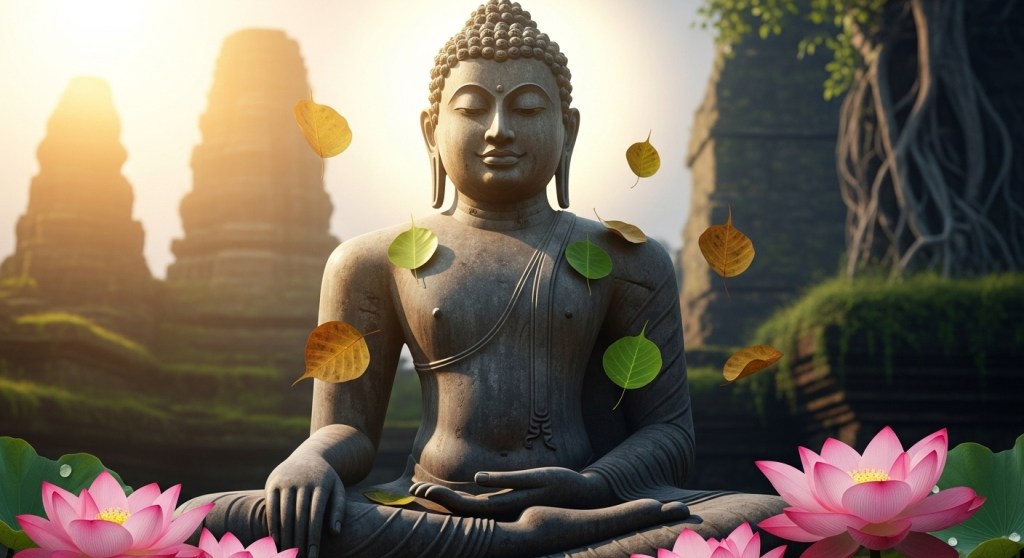
• Sacred Collection #10 – The Buddha’s Profound Teaching on Transcending Sexual Craving for Ultimate Liberation

    The Profound Teaching: Understanding Sexuality in the Context of Liberation

    Buddha’s Compassionate Approach

    Lord Buddha approached the topic of sexuality and sensual desire with perfect wisdom, understanding it as one of the most powerful forces binding beings to samsara (cycle of rebirth and suffering). His teaching was never judgmental but profoundly practical – showing the path to genuine freedom and lasting happiness.

    The Core Understanding: Sexual desire is not inherently evil, but it is a powerful manifestation of tanha (craving) that must be understood and ultimately transcended for complete liberation.


    The Nature of Sexual Desire in Buddhist Understanding

    Kama-tanha: The Craving for Sensual Pleasure

    Sexual desire represents the strongest form of Kama-tanha (sensual craving), which includes:

    Physical Aspects:

    • Bodily sensations and pleasure-seeking
    • Hormonal and biological drives
    • Physical attraction and sexual gratification
    • Reproductive instincts and desires

    Mental Aspects:

    • Fantasy and imagination around sexual experiences
    • Emotional attachment to romantic ideals
    • Possessiveness and jealousy in relationships
    • Identity formation around sexual desires and experiences

    Spiritual Implications:

    • Binding consciousness to physical embodiment
    • Creating karma that leads to continued rebirth
    • Strengthening ego-identification with the body-mind
    • Diverting energy from spiritual development

    Why Sexual Desire is Particularly Challenging

    The Buddha’s Analysis

    Buddha identified sexual craving as uniquely powerful because:

    1. Biological Programming

    • Evolutionary imperative for species continuation
    • Deeply embedded in brain chemistry and hormones
    • Automatic responses that bypass rational thinking
    • Physical pleasure that reinforces the behavior

    2. Emotional Intensity

    • Combines physical and emotional satisfaction
    • Creates powerful attachment to specific individuals
    • Generates intense joy and suffering in relationships
    • Links to fundamental needs for connection and love

    3. Social Reinforcement

    • Cultural celebration of romantic love and sexuality
    • Identity formation around sexual orientation and experiences
    • Social pressure to engage in romantic relationships
    • Media and literature constantly reinforcing sexual desires

    4. Spiritual Obstacles

    • Strengthens body-identification rather than transcending it
    • Creates strong karma for continued embodiment
    • Diverts energy from meditation and spiritual practice
    • Reinforces dualistic thinking (self and other, pleasure and pain)

    The Graduated Path: Different Approaches for Different Stages

    Buddha’s Skillful Means

    The Buddha taught different approaches depending on the spiritual development and life circumstances of individuals:

    For Householders (Grihastha Dharma)

    Ethical Sexual Conduct:

    • Kamesu micchacara veramani – Abstaining from sexual misconduct
    • Faithfulness in committed relationships
    • Respect and consent in all intimate interactions
    • Moderation rather than indulgence or addiction

    Practical Guidelines:

    • Avoid adultery and infidelity
    • Respect boundaries and consent
    • Practice moderation even within marriage
    • Use sexuality as expression of love, not mere gratification
    • Gradually develop understanding of desire’s impermanent nature

    For Serious Practitioners (Intensive Practice)

    Brahmacharya (Celibacy):

    • Complete abstinence from sexual activity
    • Mental purity – avoiding sexual thoughts and fantasies
    • Redirecting sexual energy toward spiritual development
    • Understanding the deeper nature of desire and attachment

    Benefits of Celibacy:

    • Conservation of vital energy for spiritual practice
    • Freedom from relationship complications and emotional turbulence
    • Deeper meditation without sexual distraction
    • Direct confrontation with the nature of craving

    For Monastic Practitioners

    Complete Renunciation:

    • Total celibacy as fundamental monastic vow
    • Environmental support for celibate lifestyle
    • Community of practitioners with similar commitment
    • Complete focus on liberation without worldly entanglements

    Understanding the True Nature of Sexual Pleasure

    The Wisdom Analysis

    Applying the Three Characteristics:

    1. Anicca (Dependent Origination):

    • Sexual pleasure arises due to causes (hormones, attraction, contact)
    • It depends on conditions (health, partner, mood, circumstances)
    • It inevitably passes away – no sexual experience lasts forever
    • Understanding: All sexual satisfaction is temporary and conditioned

    2. Dukkha (Inherent Suffering):

    • Before: Craving, seeking, anxiety about obtaining sexual satisfaction
    • During: Fear of losing pleasure, inability to maintain peak experiences
    • After: Emptiness, renewed craving, dissatisfaction with temporary nature
    • Understanding: Sexual pleasure contains inherent disappointment

    3. Anatta (Essence-less Nature):

    • No permanent self is satisfied through sexual experience
    • No lasting fulfillment can be achieved through physical pleasure
    • No essential need – celibate practitioners live fulfilled lives
    • Understanding: Sexual desire is not a fundamental part of true self

    The Path of Gradual Transcendence

    Stage 1: Ethical Foundation

    • Practice sexual ethics within your current life situation
    • Develop mindfulness around sexual thoughts and desires
    • Understand impermanence of all pleasurable experiences
    • Cultivate contentment independent of sexual satisfaction

    Stage 2: Deeper Understanding

    • Investigate the nature of sexual craving through meditation
    • See the suffering inherent in sexual desire and attachment
    • Practice periods of voluntary abstinence for spiritual development
    • Develop higher pleasures through meditation and spiritual practice

    Stage 3: Natural Transcendence

    • Gradual loss of interest in sexual pleasure through wisdom
    • Natural celibacy arising from understanding rather than suppression
    • Redirection of sexual energy into spiritual development
    • Freedom from sexual craving without internal conflict

    Stage 4: Complete Liberation

    • Perfect understanding of desire’s empty nature
    • Effortless celibacy with no sense of loss or deprivation
    • Pure consciousness beyond all forms of sensual craving
    • Liberation into the unconditioned happiness of Nirvana

    Practical Guidance for Different Individuals

    For Married Practitioners

    Balanced Approach:

    • Honor your commitments while developing spiritual understanding
    • Practice moderation and mindfulness in intimate relationships
    • Gradually understand the impermanent nature of physical pleasure
    • Develop meditation practice that provides alternative sources of fulfillment
    • Discuss spiritual goals openly with your partner

    Advanced Practice:

    • Periods of mutual abstinence for intensive spiritual practice
    • Gradual reduction in sexual activity as understanding deepens
    • Support each other’s spiritual development
    • Eventually transition to celibate spiritual friendship if both are ready

    For Single Practitioners

    Celibate Path:

    • Choose voluntary celibacy as spiritual practice
    • Understand this as temporary or permanent based on goals
    • Develop alternative sources of fulfillment and joy
    • Create supportive environment for celibate lifestyle
    • Find community of like-minded practitioners

    Preparation for Relationship:

    • Develop ethical standards and spiritual understanding first
    • Choose partners who share spiritual values
    • Maintain spiritual practice throughout relationship development
    • Be honest about spiritual goals and lifestyle choices

    For Those Struggling with Sexual Addiction

    Healing Approach:

    • Seek professional help if needed for addictive behaviors
    • Understand addiction as extreme form of craving
    • Practice mindfulness to observe desires without acting
    • Develop healthy outlets for energy and emotion
    • Find supportive community for recovery and spiritual growth

    The Higher Happiness

    What Replaces Sexual Desire

    As sexual craving is transcended, what emerges:

    Jhanic Bliss (Meditative Joy):

    • Happiness independent of external conditions
    • Deeper satisfaction than any physical pleasure
    • Sustained bliss that doesn’t depend on another person
    • Pure joy arising from mental purification

    Universal Love (Metta):

    • Love without attachment or possessiveness
    • Compassion for all beings without sexual differentiation
    • Joy in others’ happiness without personal agenda
    • Boundless loving-kindness that includes everyone equally

    Perfect Peace (Upekkha):

    • Equanimity beyond pleasure and pain
    • Contentment independent of any external satisfaction
    • Freedom from the ups and downs of romantic relationships
    • Stability that doesn’t depend on another’s actions or presence

    Ultimate Liberation (Nirvana):

    • Complete freedom from all forms of craving
    • Perfect fulfillment beyond any conditioned experience
    • Unconditioned happiness that never wavers or ends
    • Supreme peace beyond all dualistic experiences

    Common Misunderstandings

    Wrong Views to Avoid:

    1. Sexual Repression

    • Forcing celibacy without understanding creates internal conflict
    • Guilt and shame about natural desires causes psychological harm
    • Suppression often leads to eventual explosion of repressed desires

    Right Approach: Gradual understanding and natural transcendence through wisdom

    2. Spiritual Bypassing

    • Using spirituality to avoid dealing with relationship issues
    • Premature renunciation without proper foundation
    • Judging others who haven’t reached the same level of renunciation

    Right Approach: Honest self-assessment and gradual, authentic development

    3. False Dichotomy

    • Believing one must choose between spirituality and normal relationships
    • Thinking householders cannot achieve high spiritual attainments
    • Assuming celibacy is required for all serious practitioners

    Right Approach: Understanding different paths for different temperaments and life stages


    For Teachers and Parents

    Discussing Sexuality with Wisdom

    Age-Appropriate Guidance:

    • Acknowledge sexuality as natural human experience
    • Teach ethical conduct and respect for others
    • Provide understanding of emotional aspects of relationships
    • Introduce gradually the spiritual perspective on desire and attachment

    Creating Healthy Attitudes:

    • Avoid shame and guilt around natural desires
    • Encourage thoughtful decision-making about relationships
    • Provide examples of people who find fulfillment in different lifestyle choices
    • Support whatever authentic spiritual path each individual chooses

    Meditation Contemplation

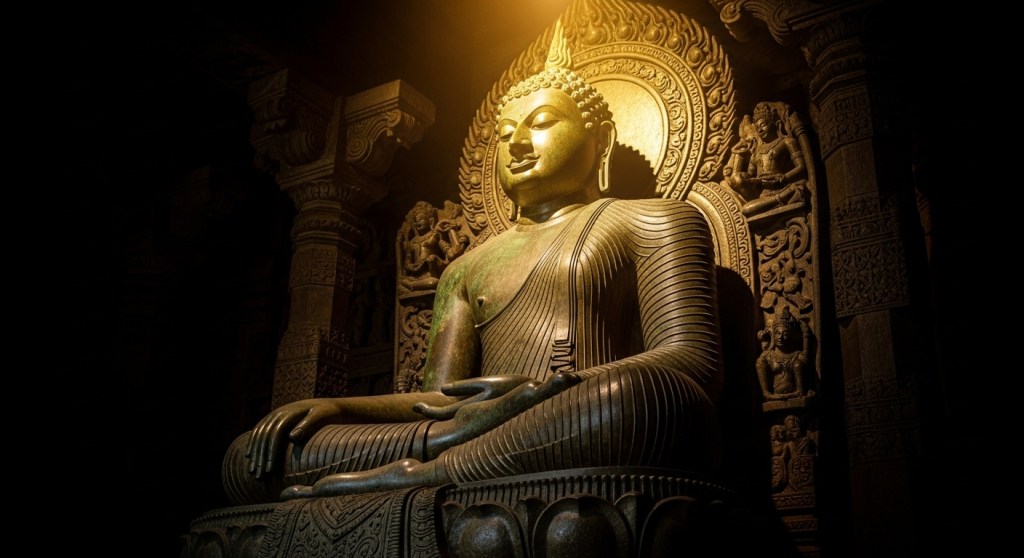
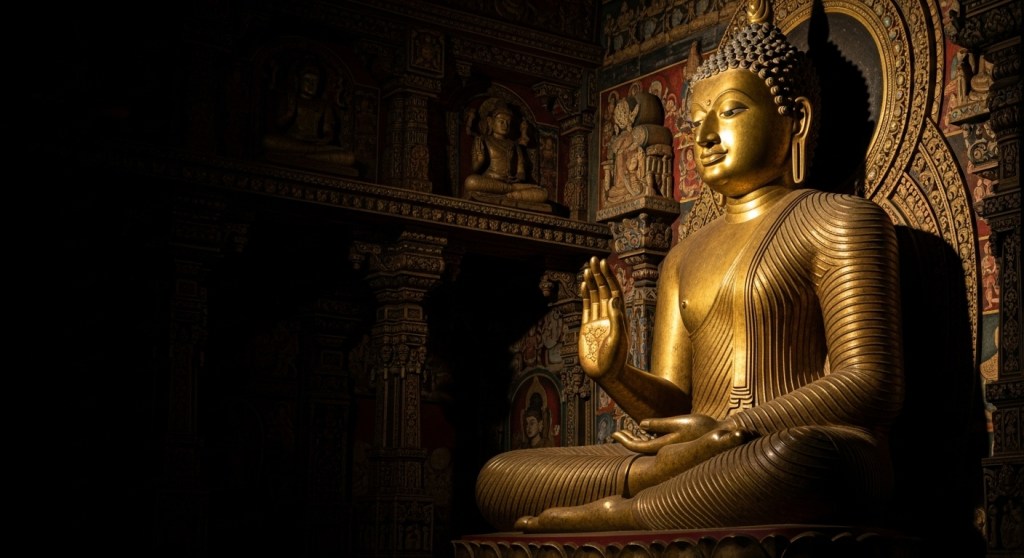
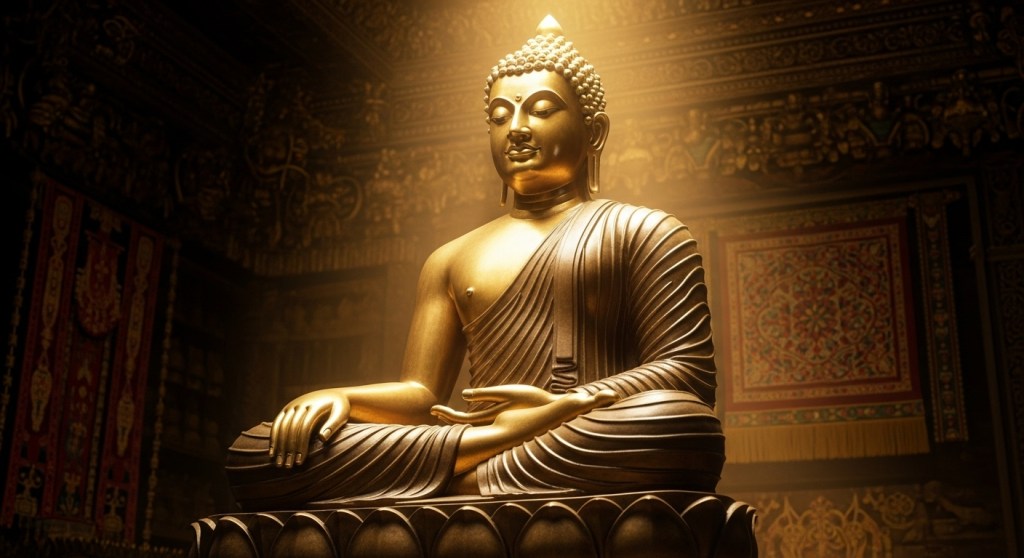
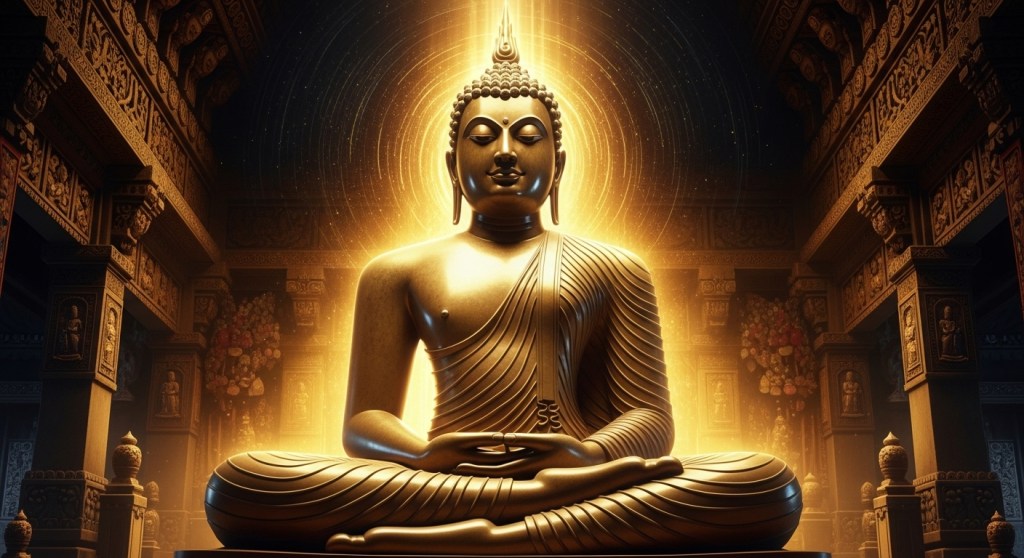
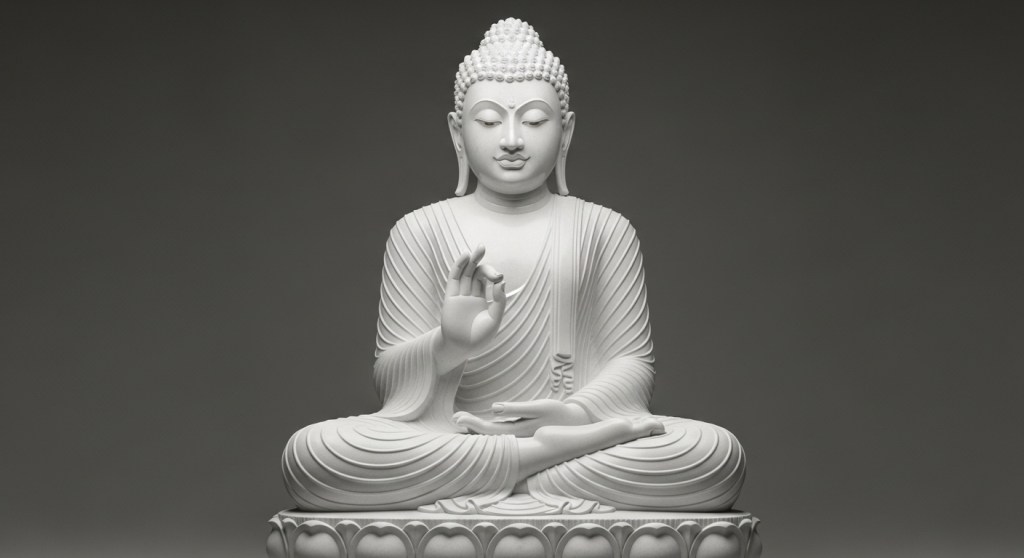
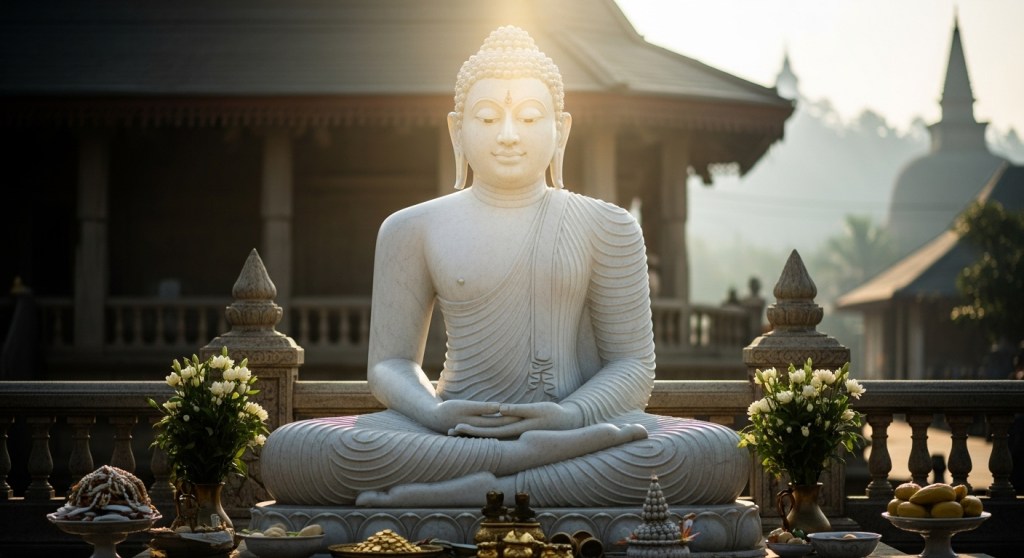
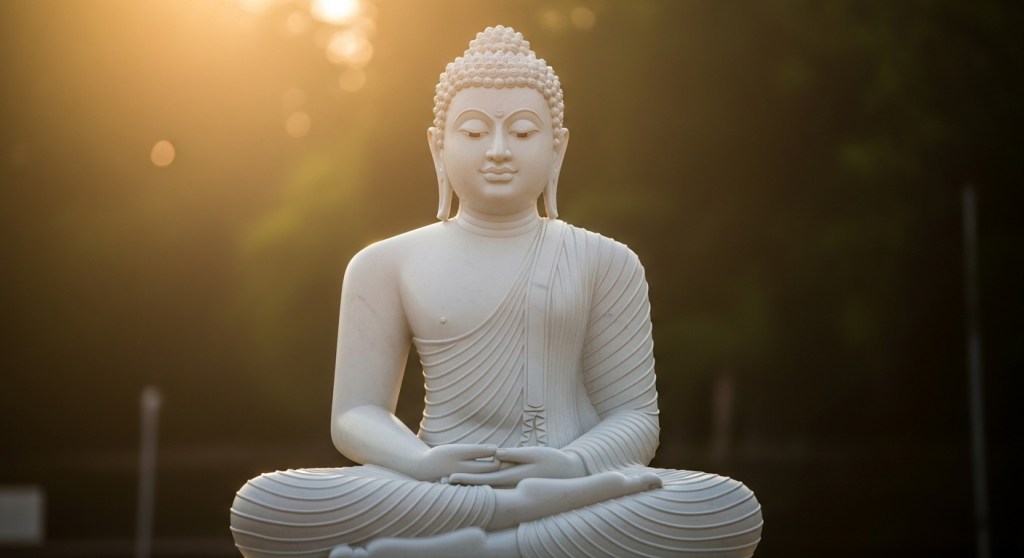
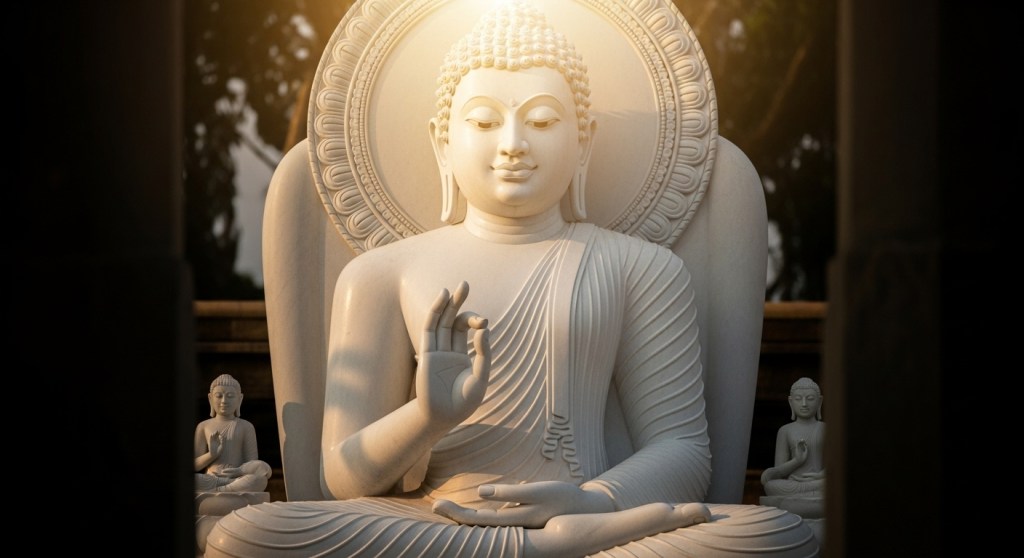
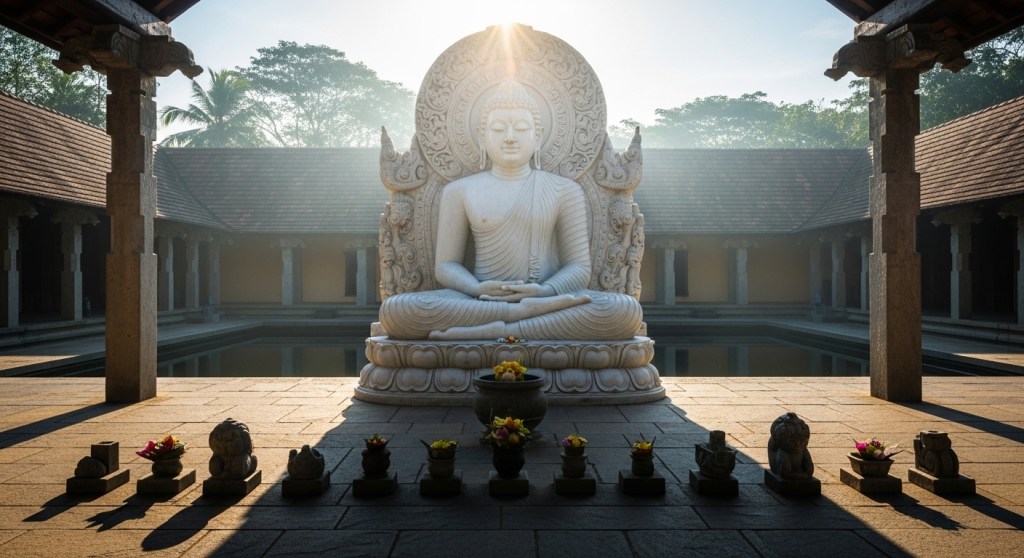
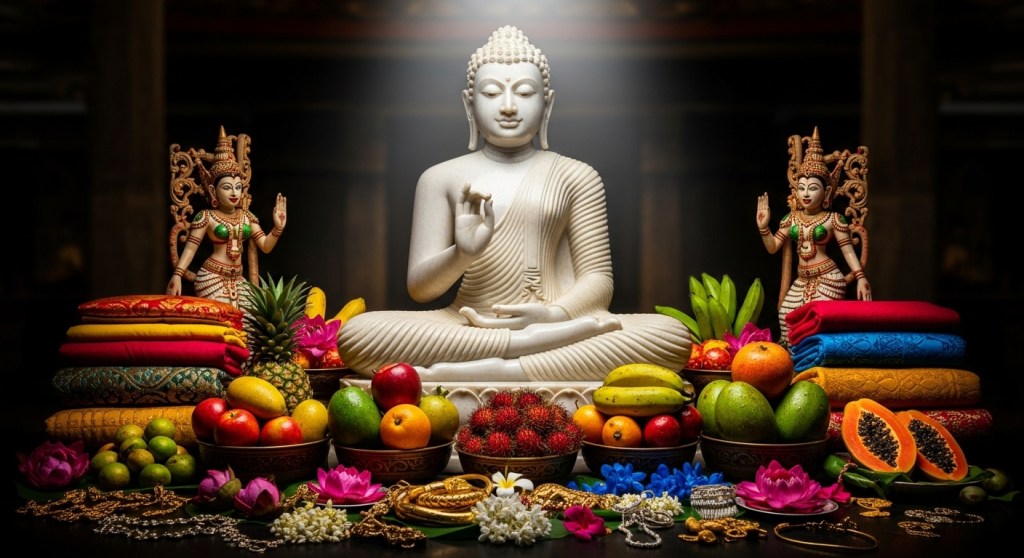
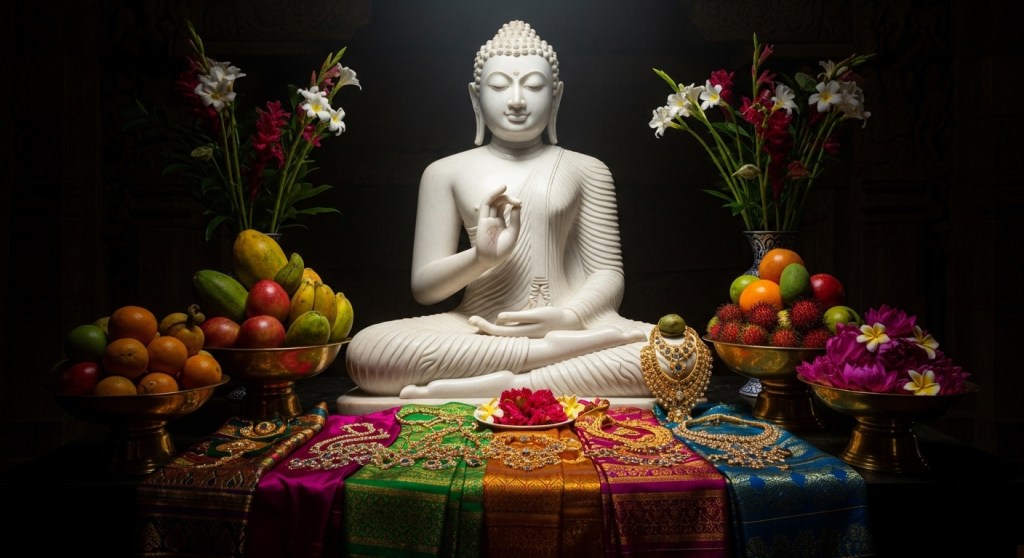
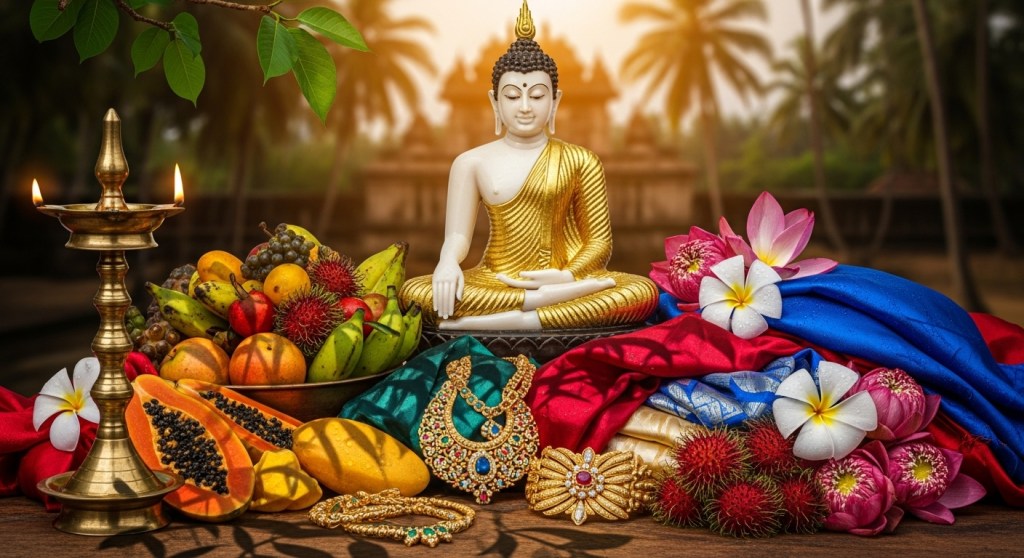
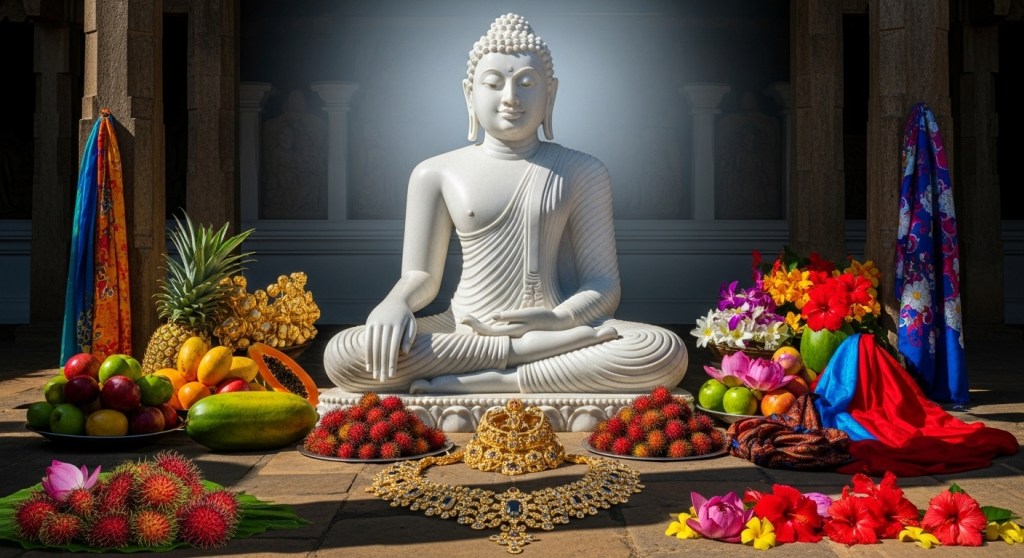
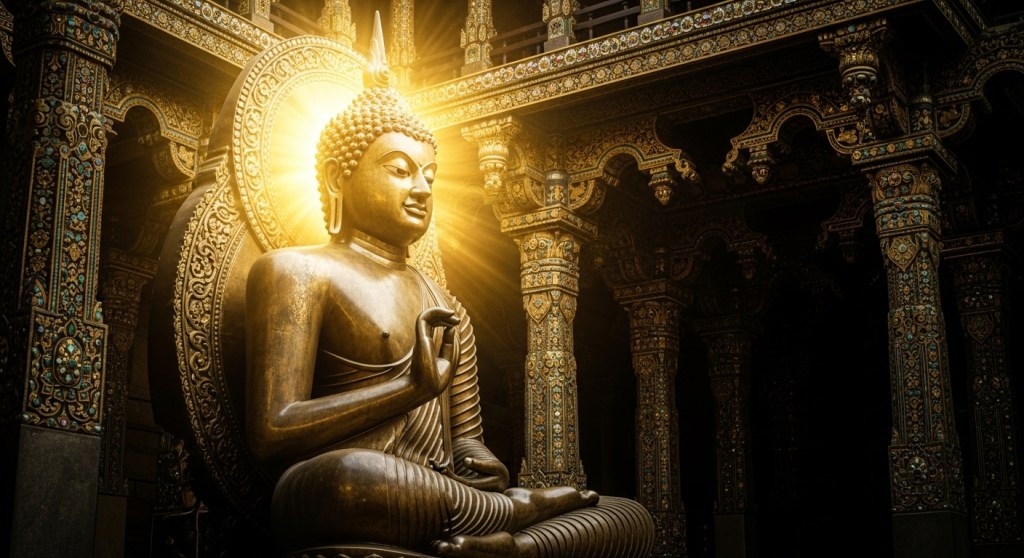
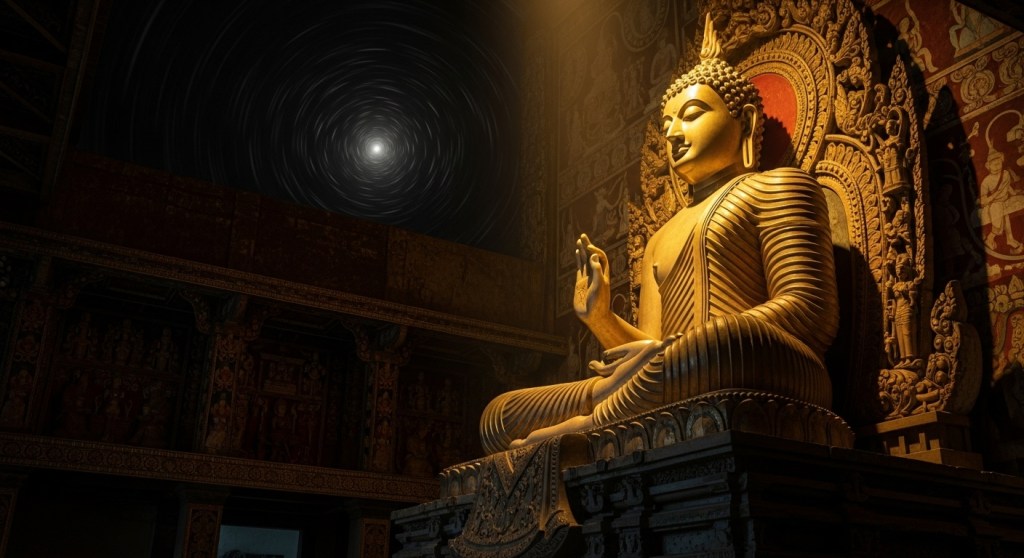
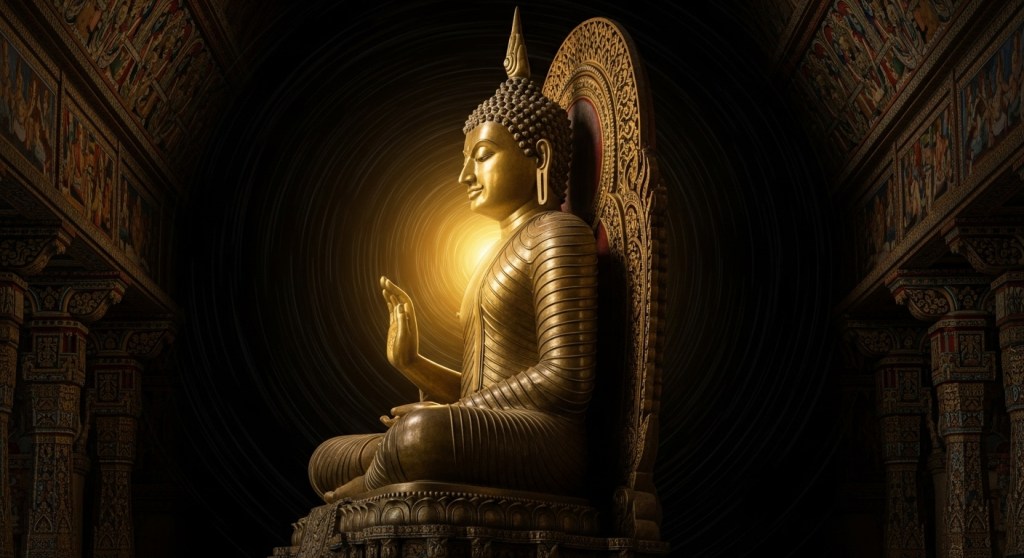
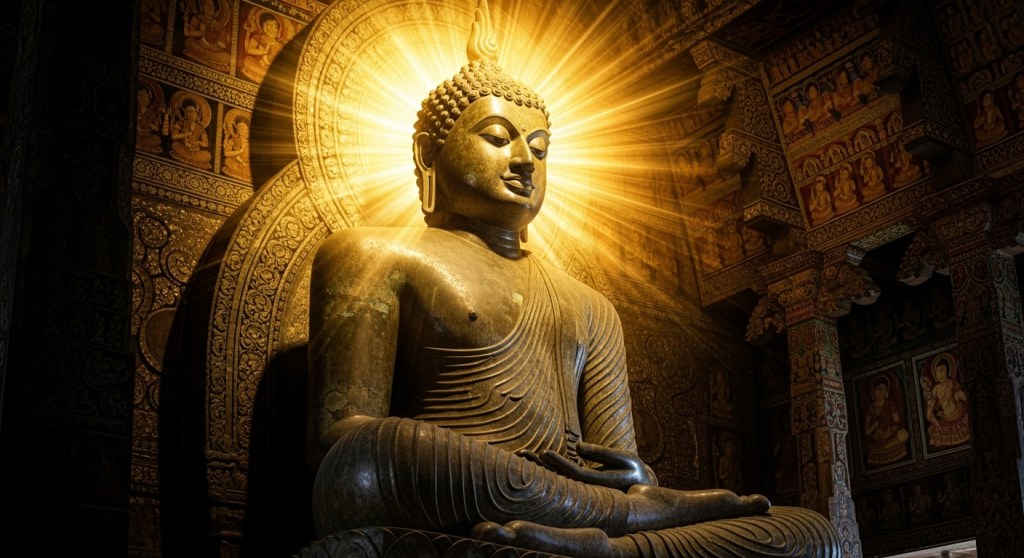
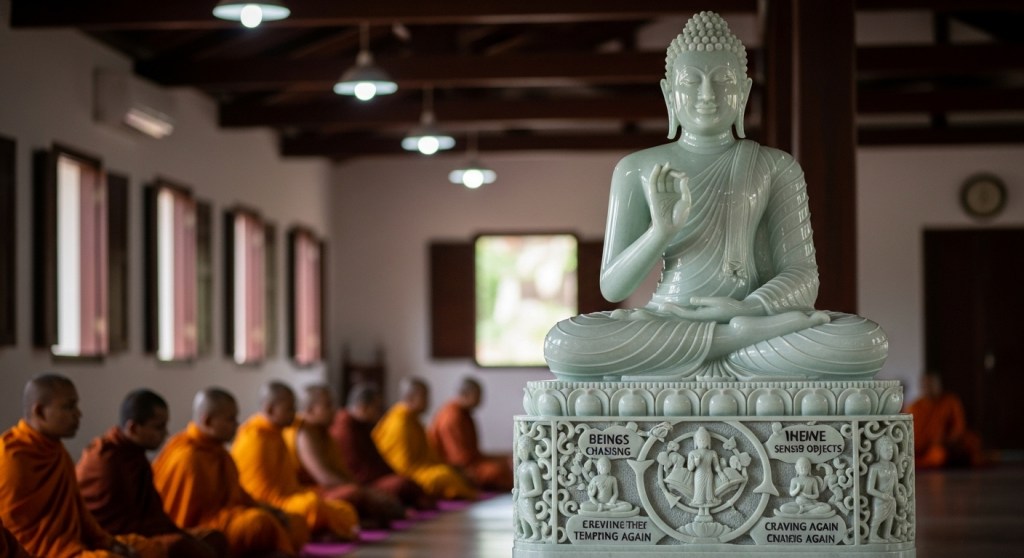
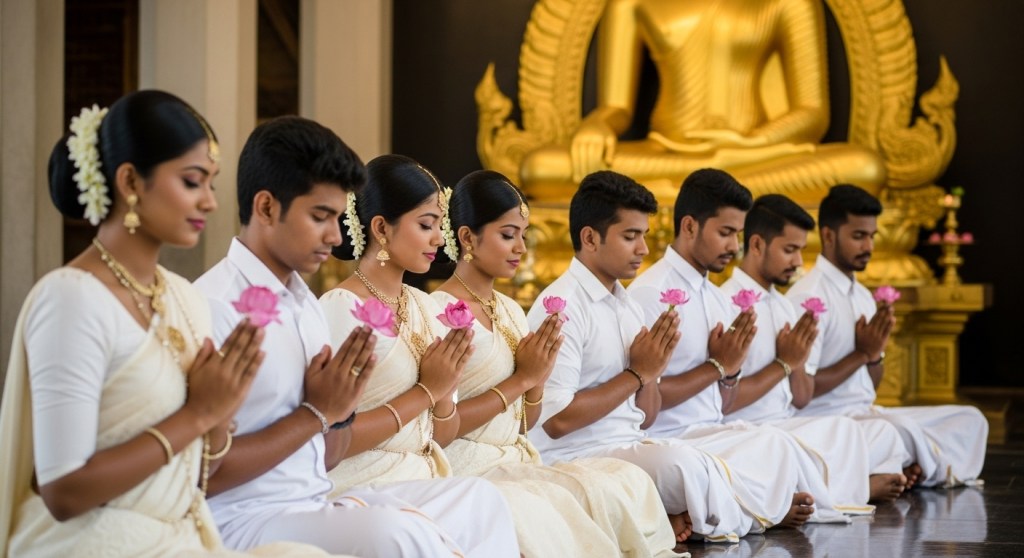
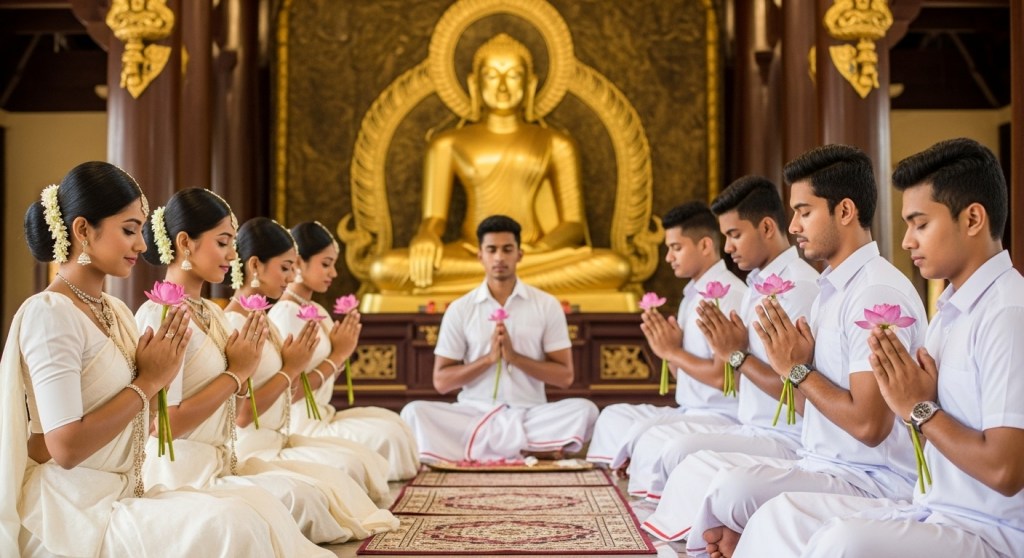
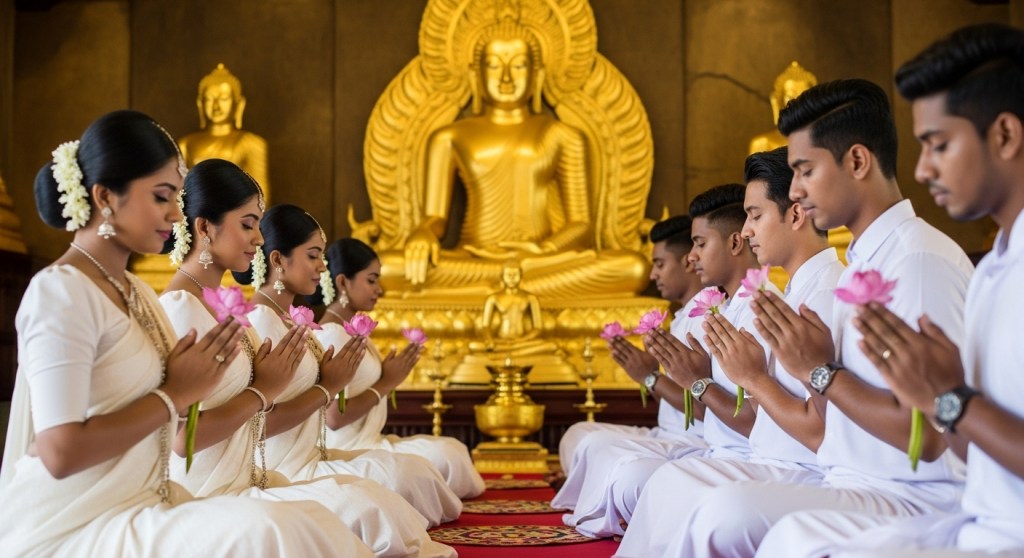
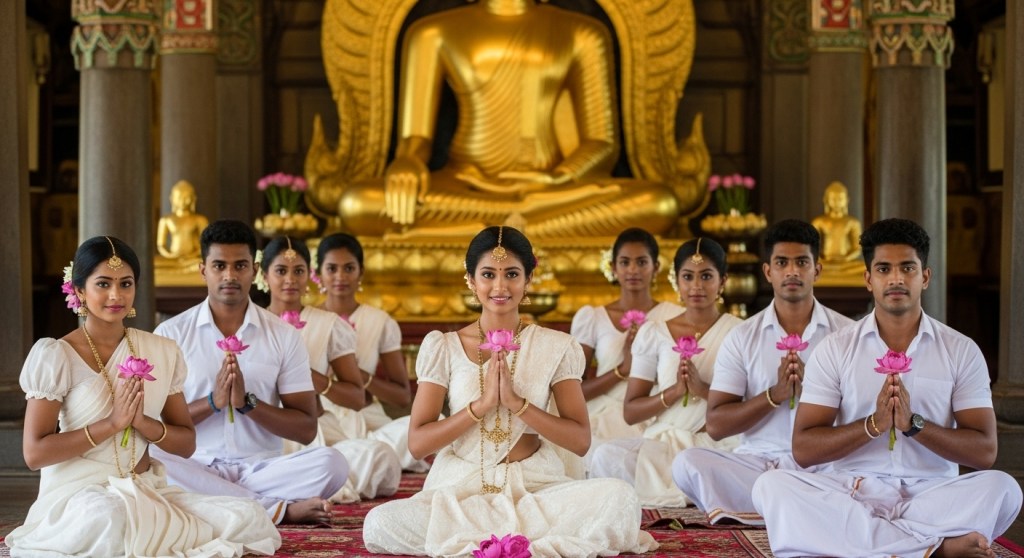
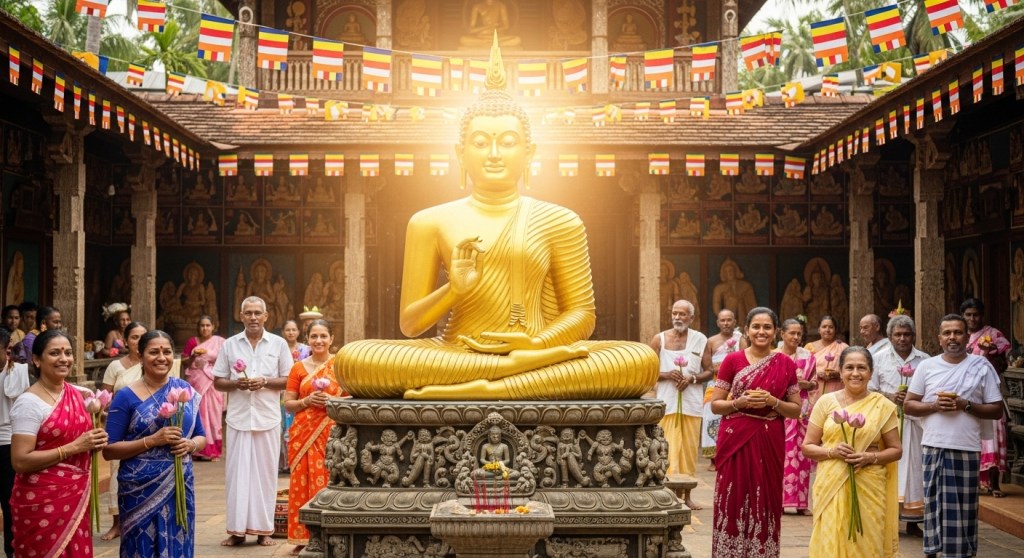
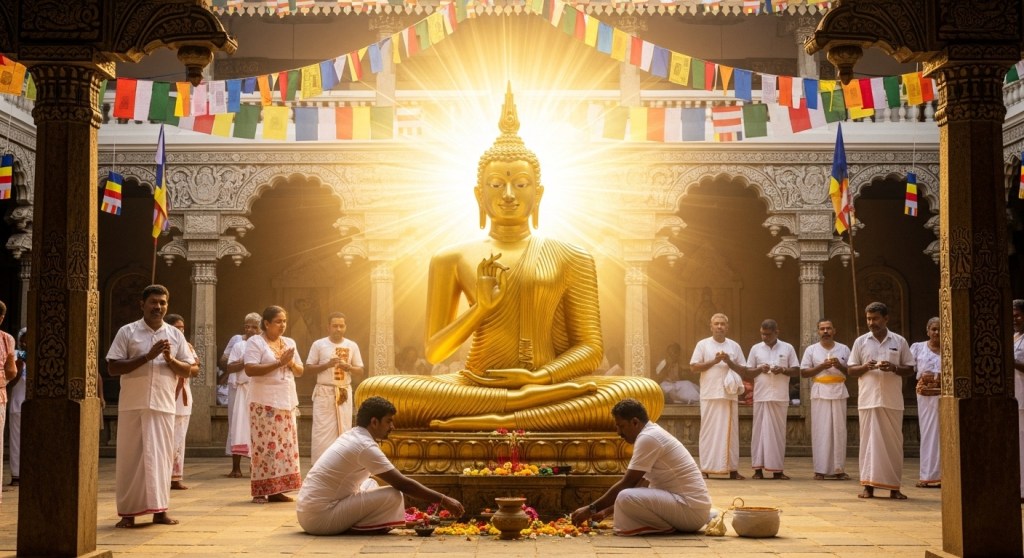
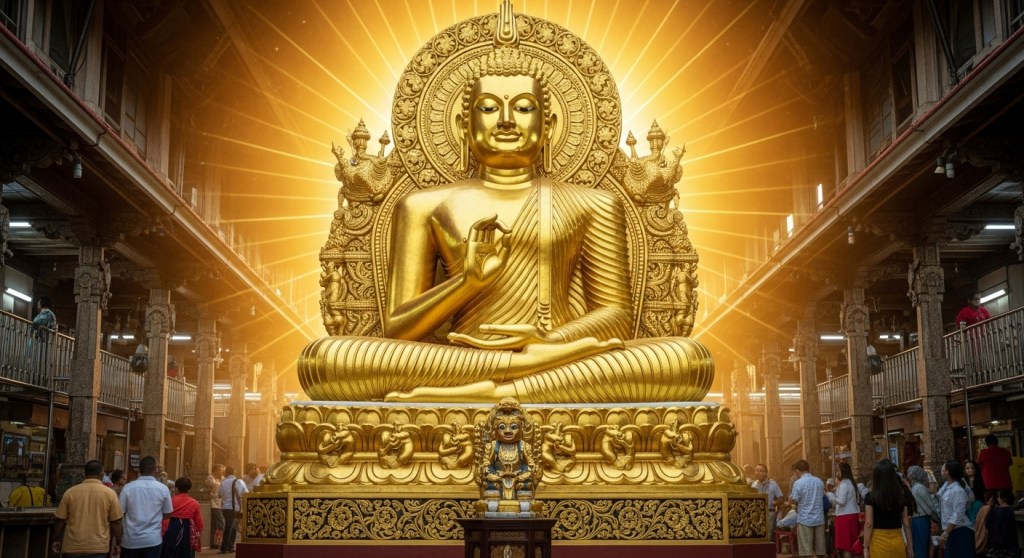
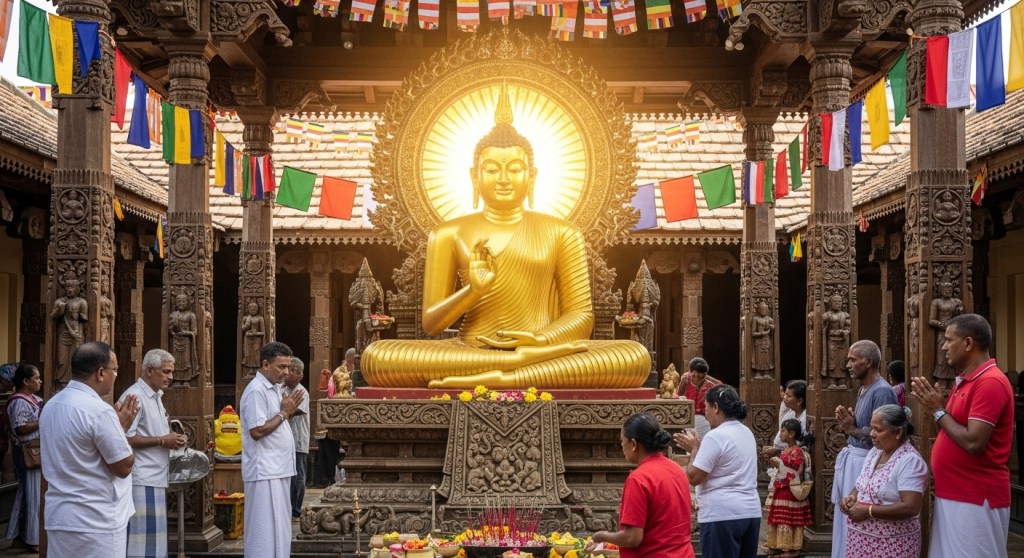
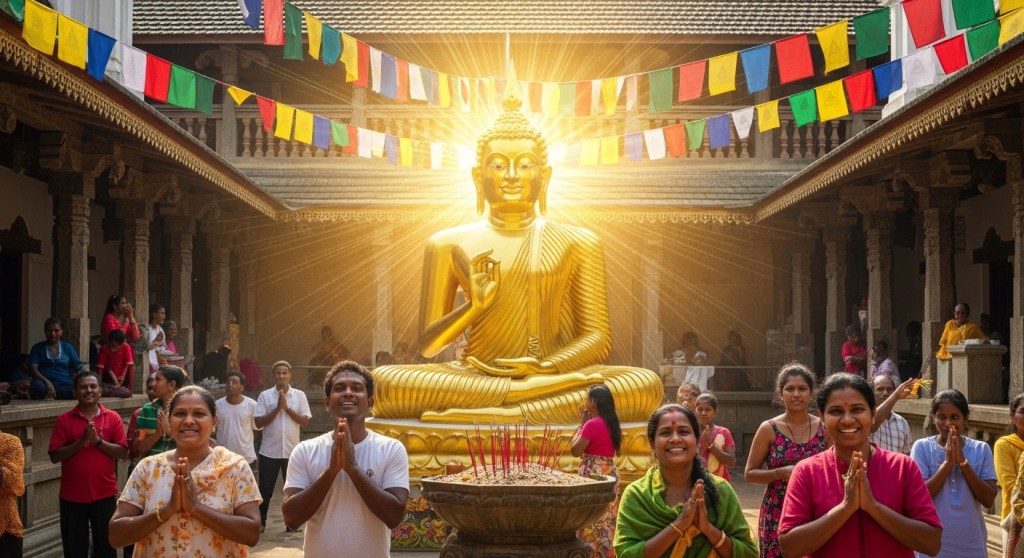
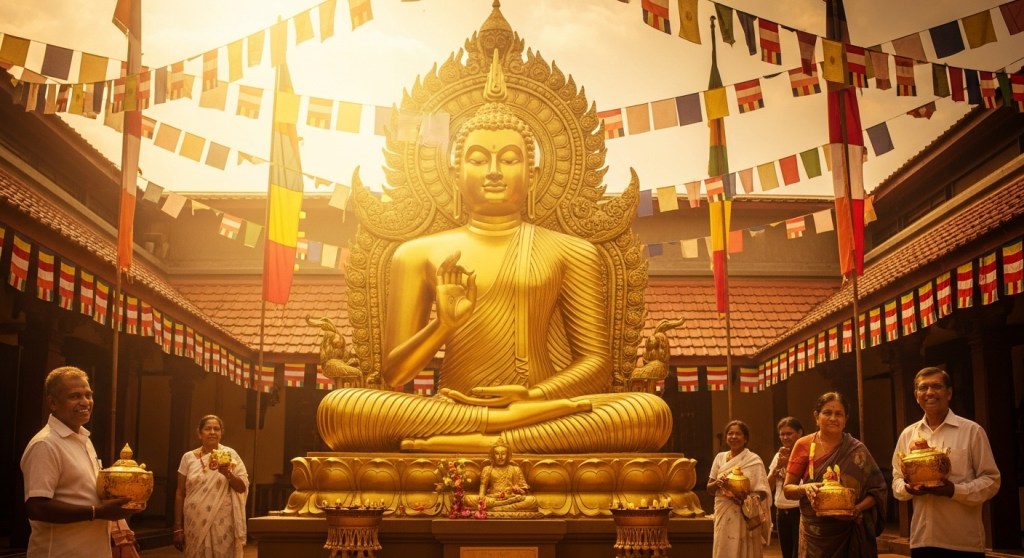
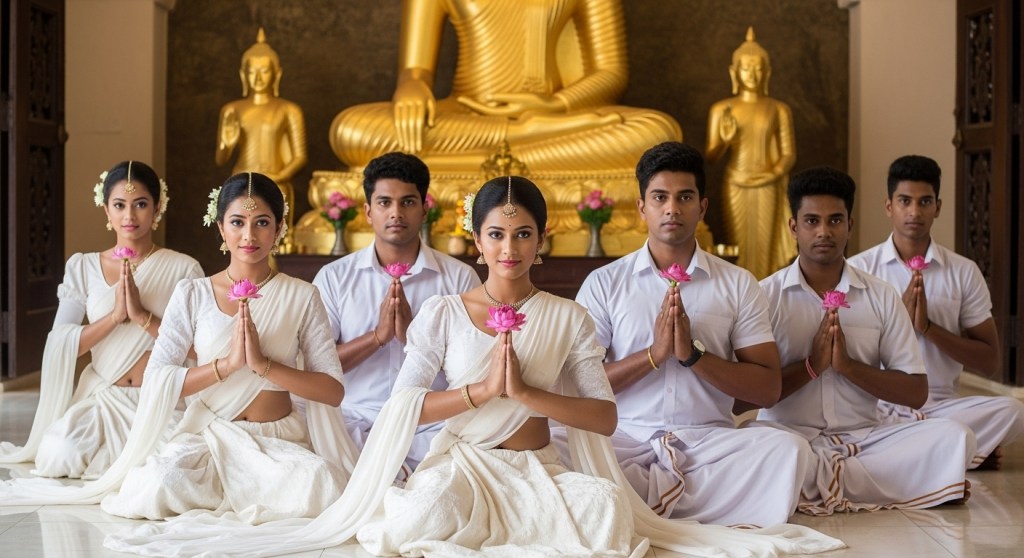
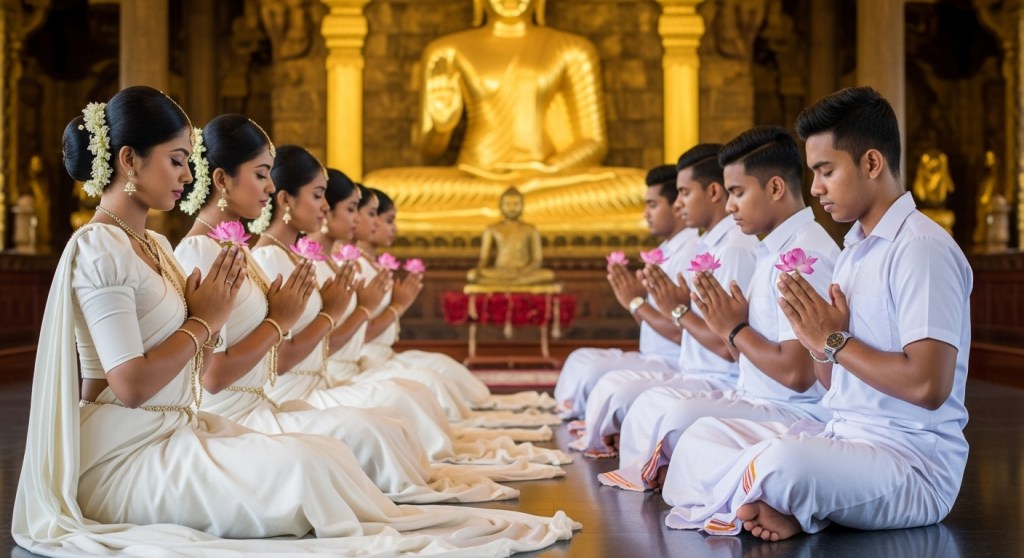
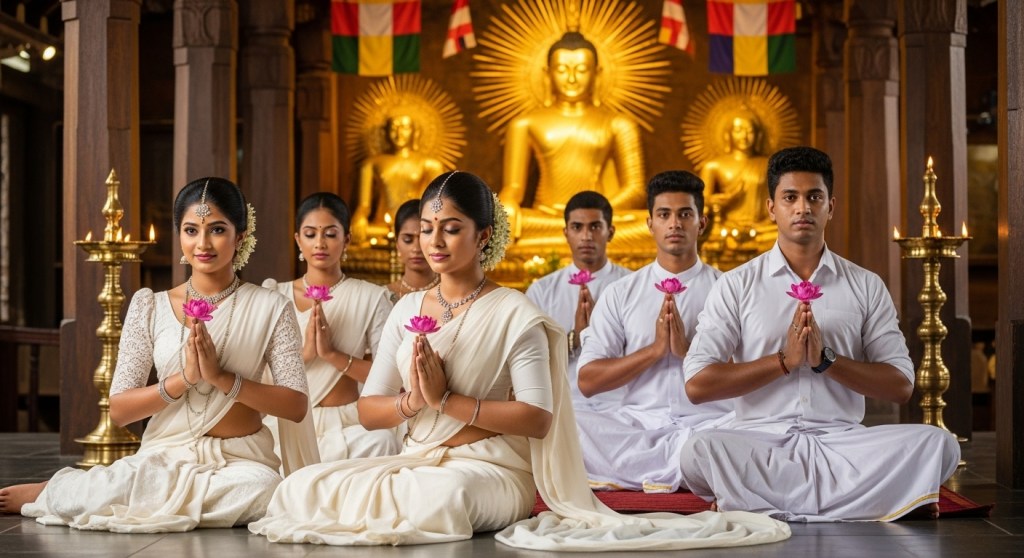
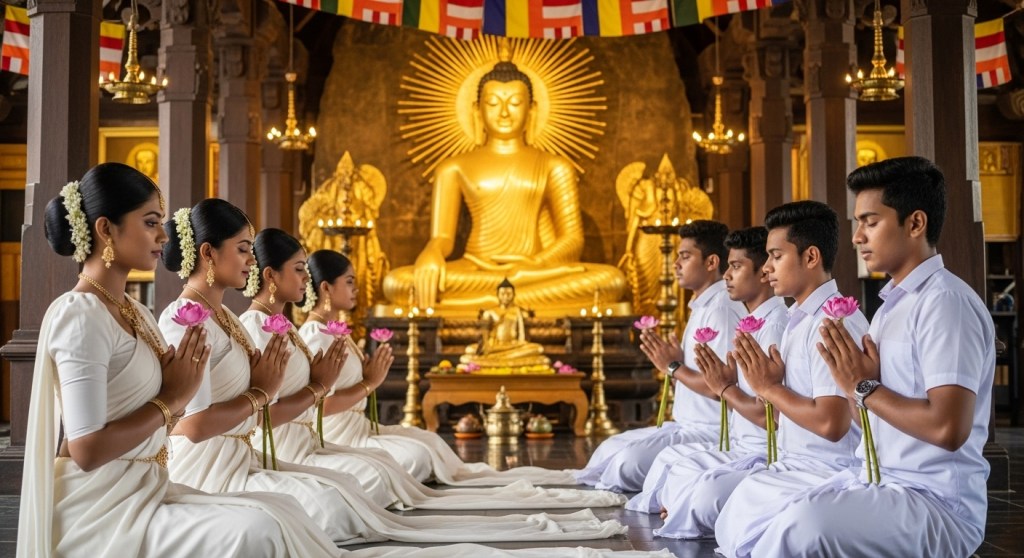
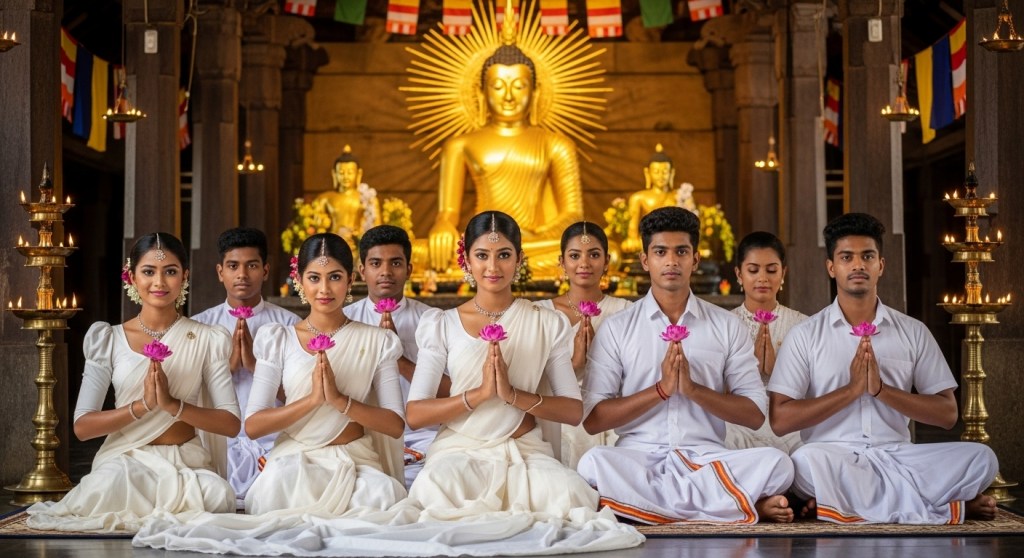
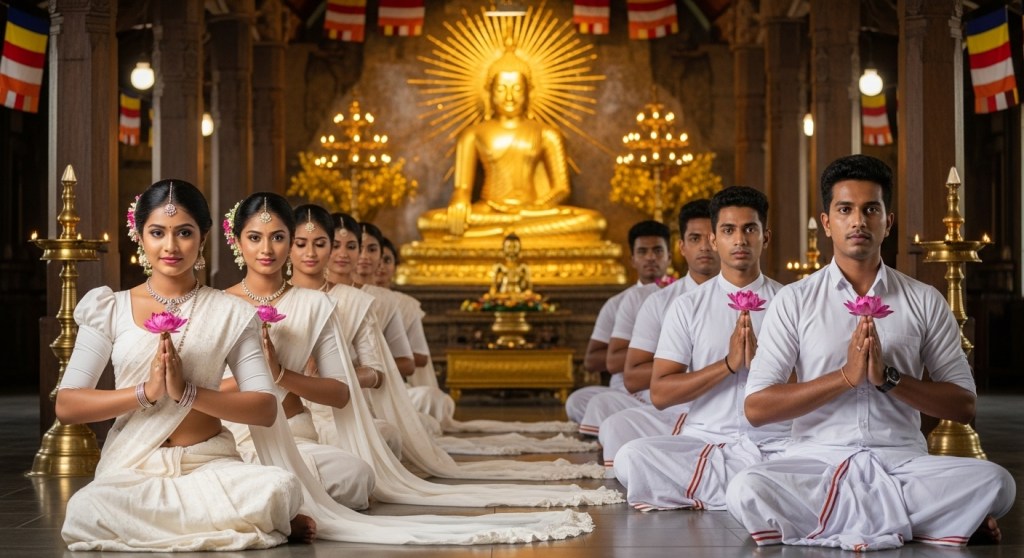
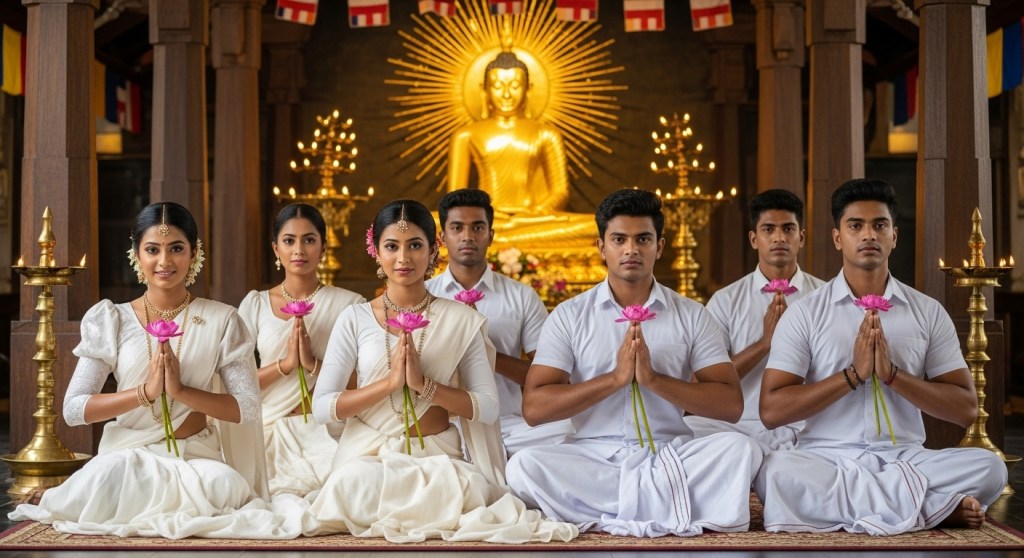
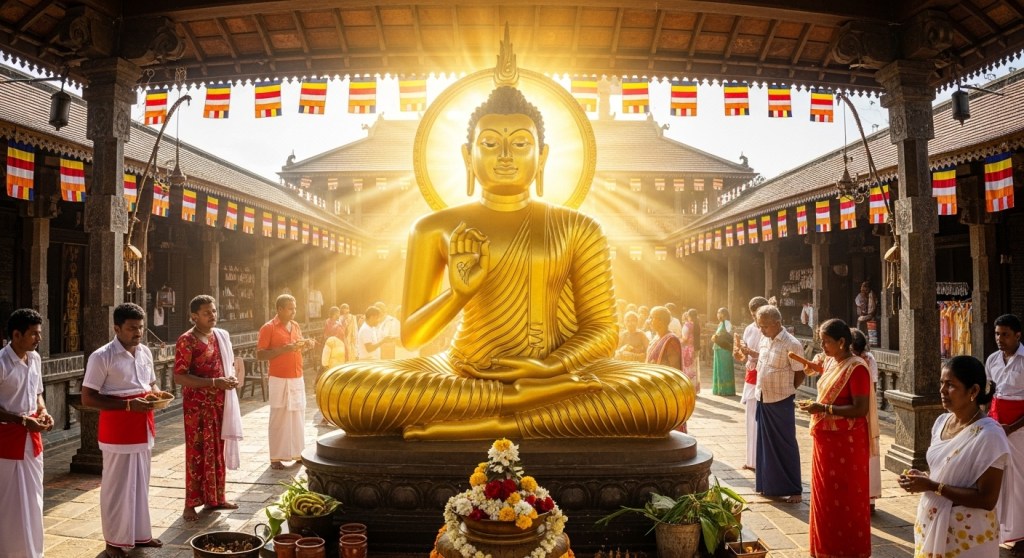
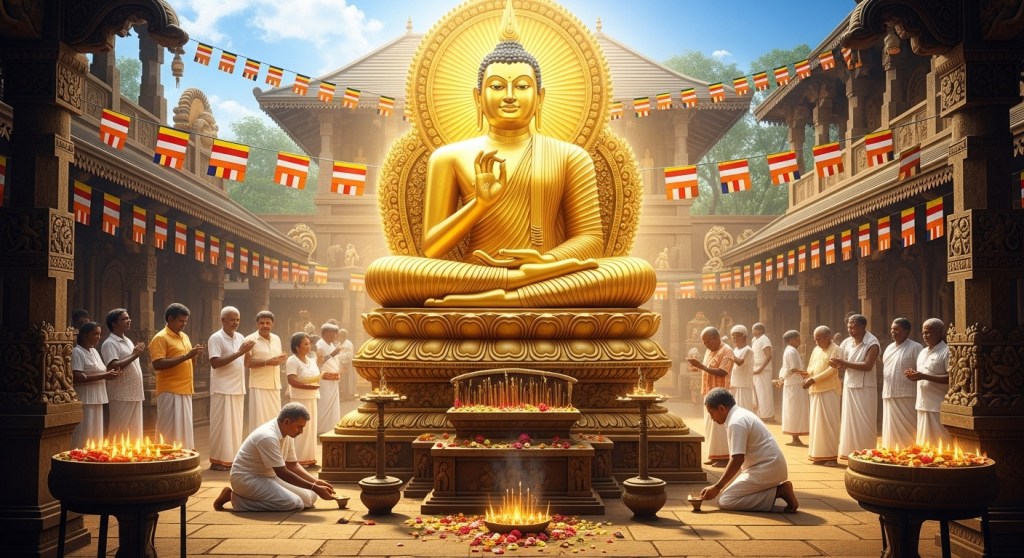
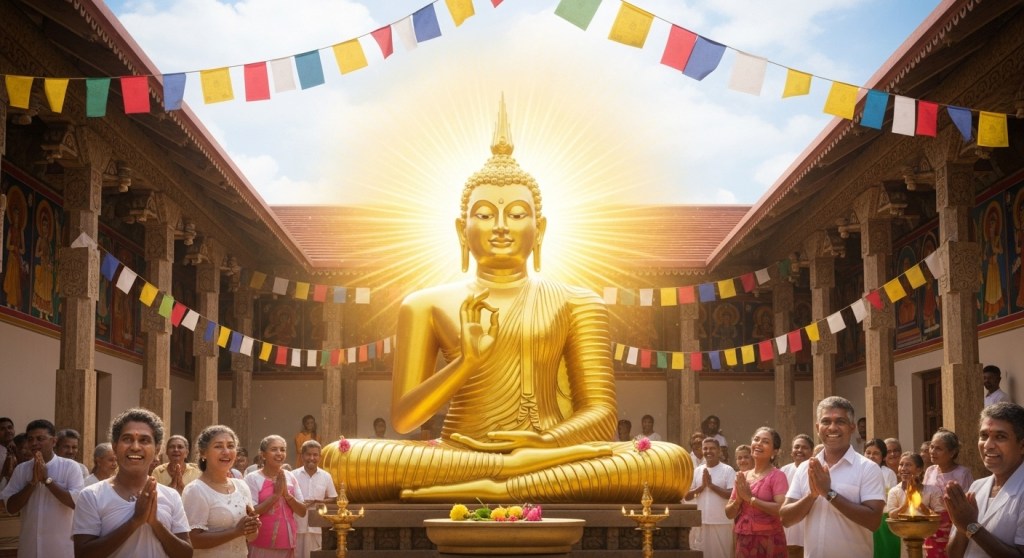
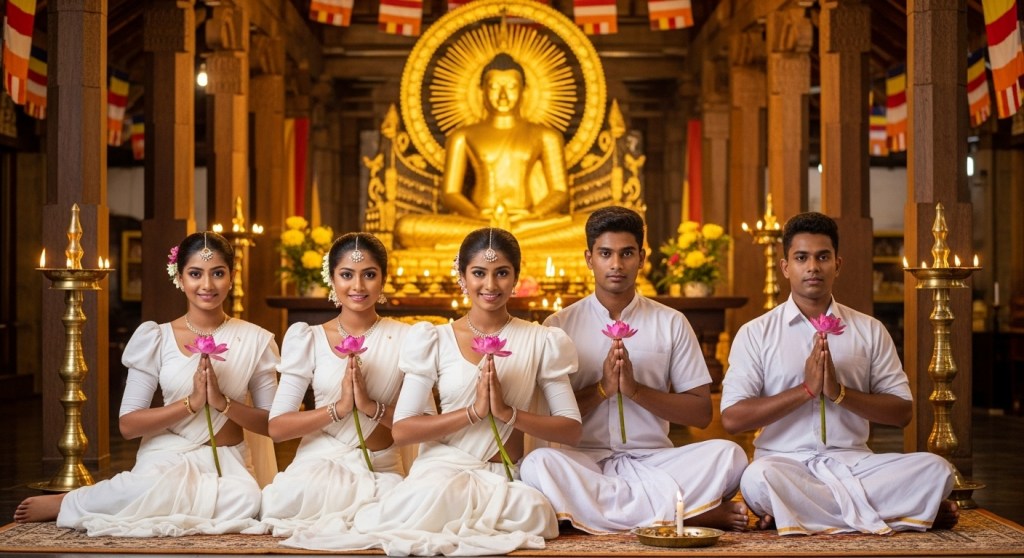
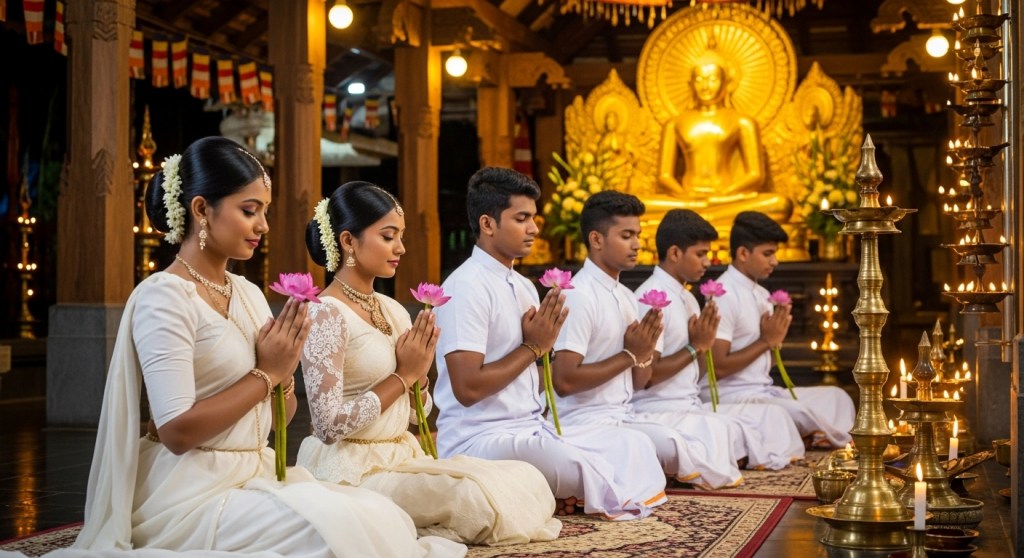
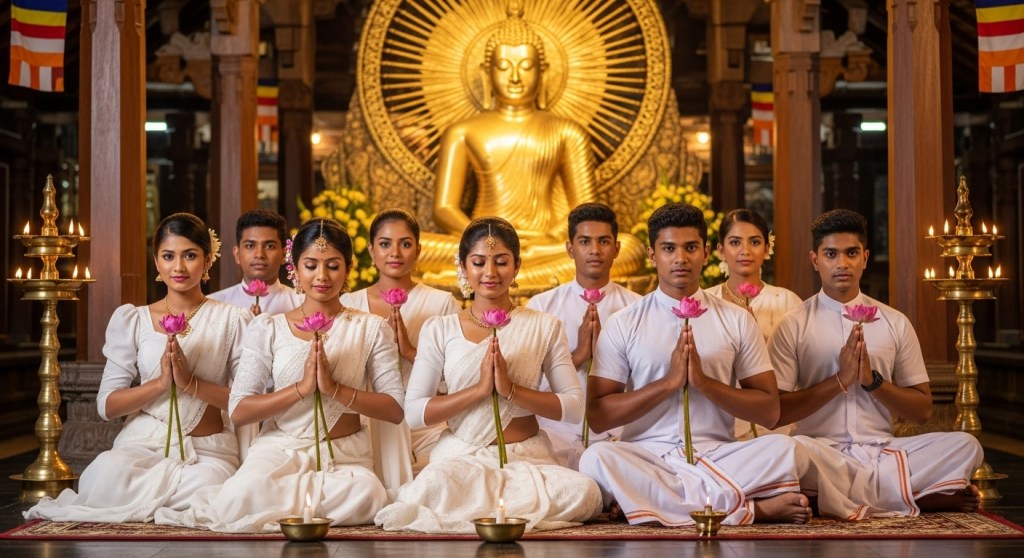
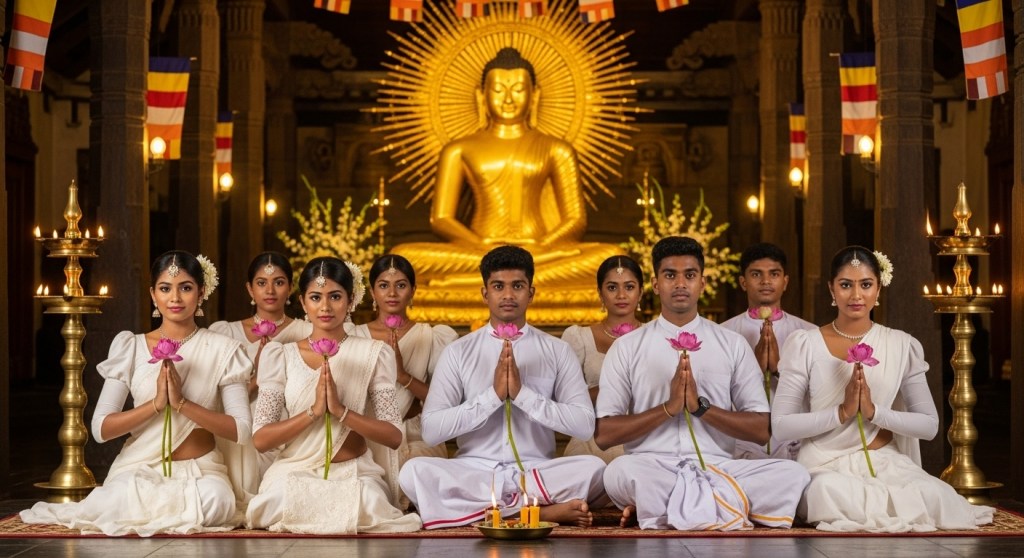
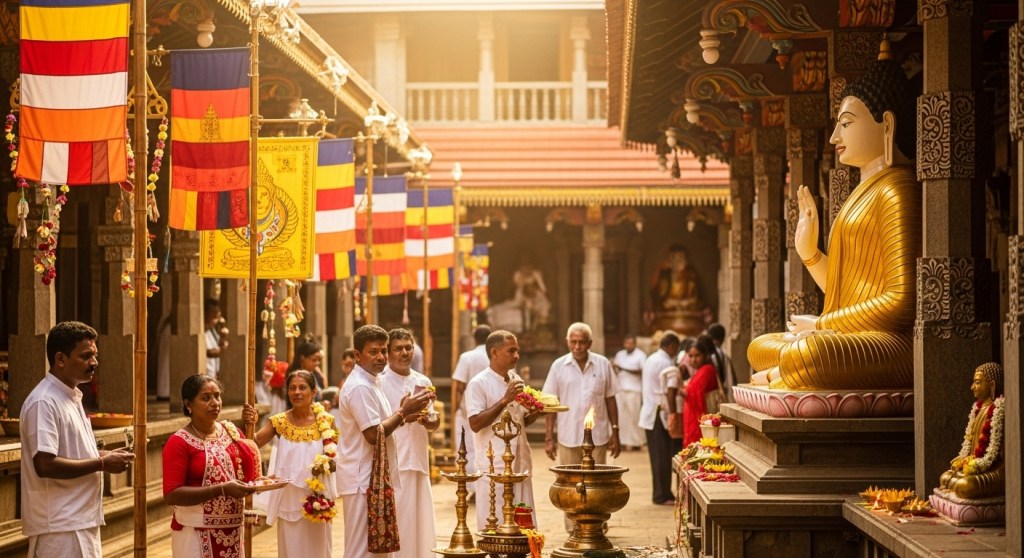
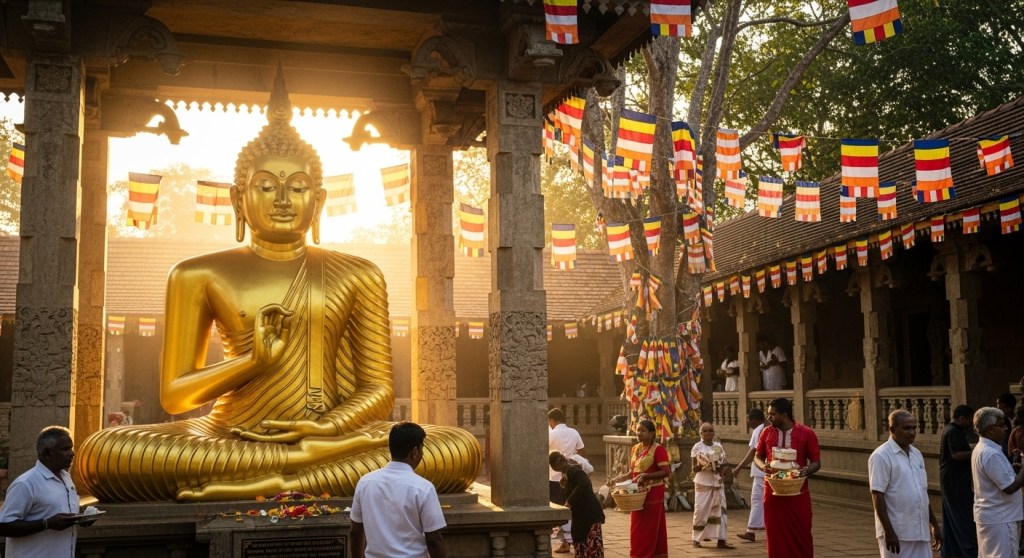
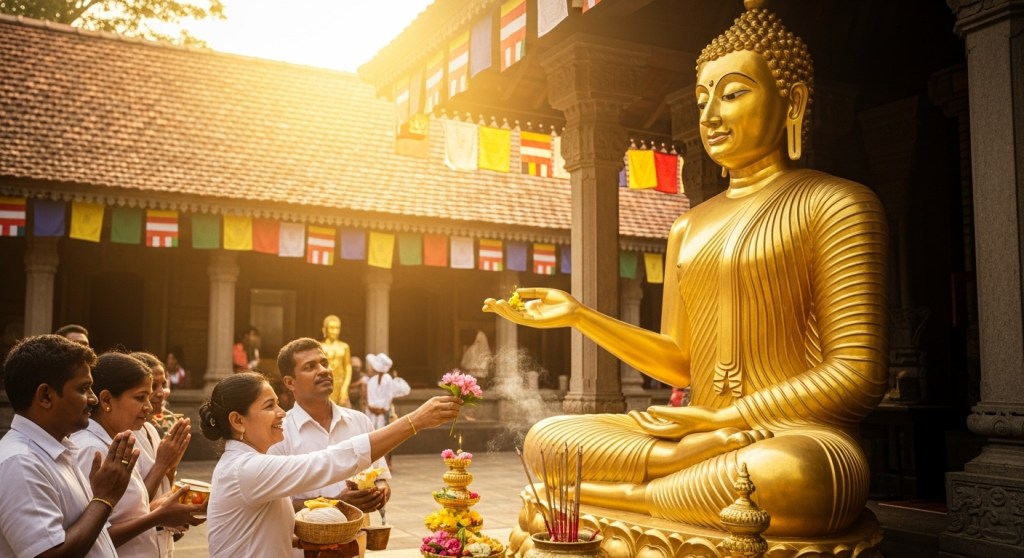
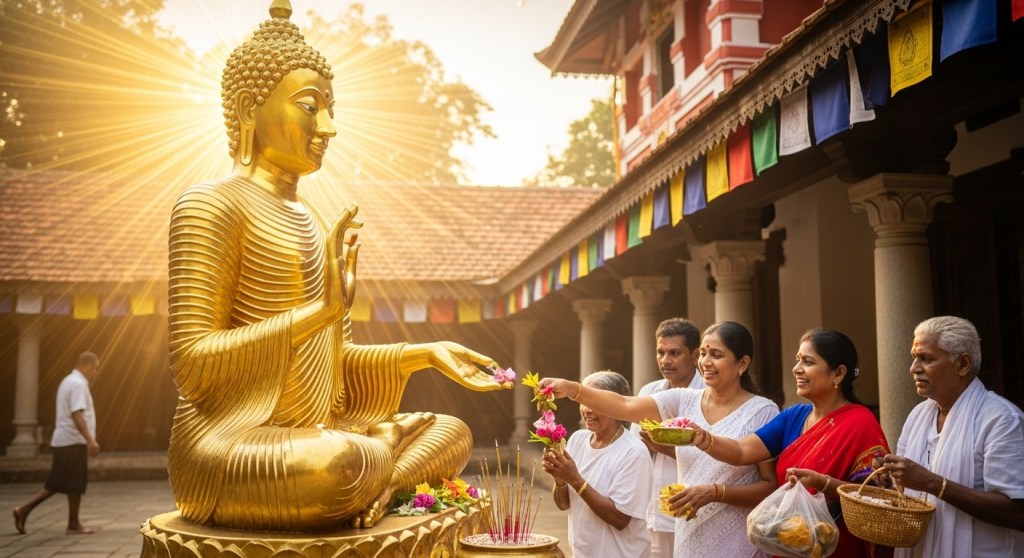
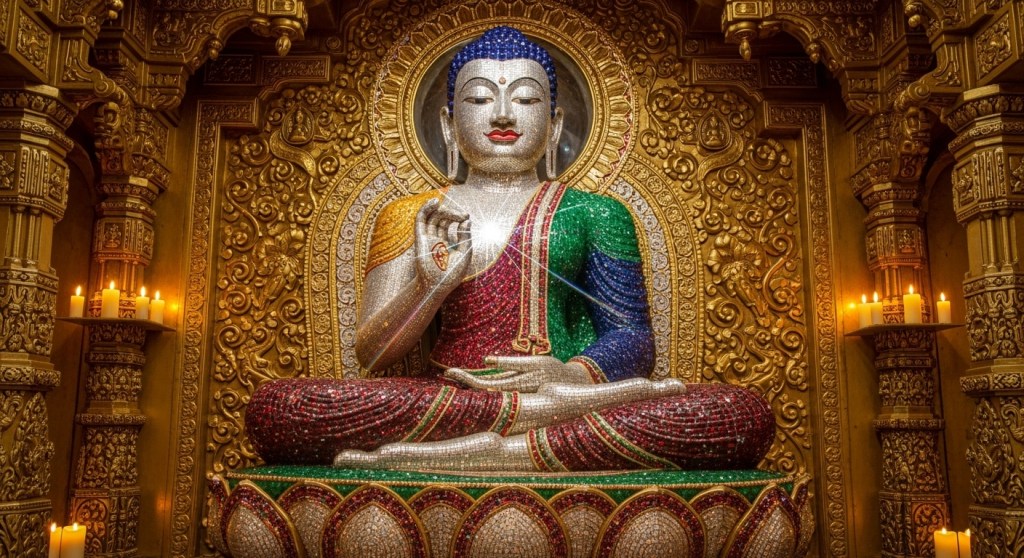
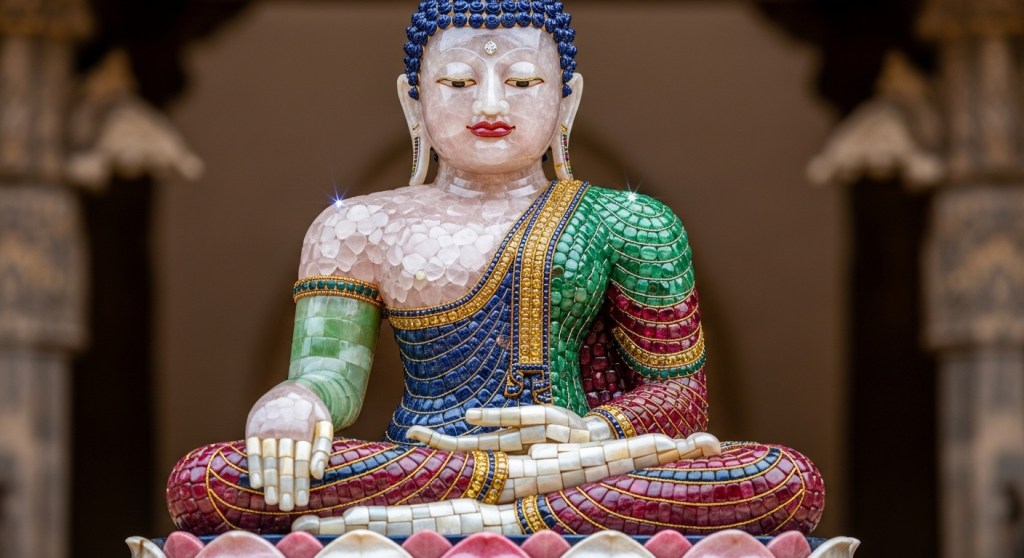
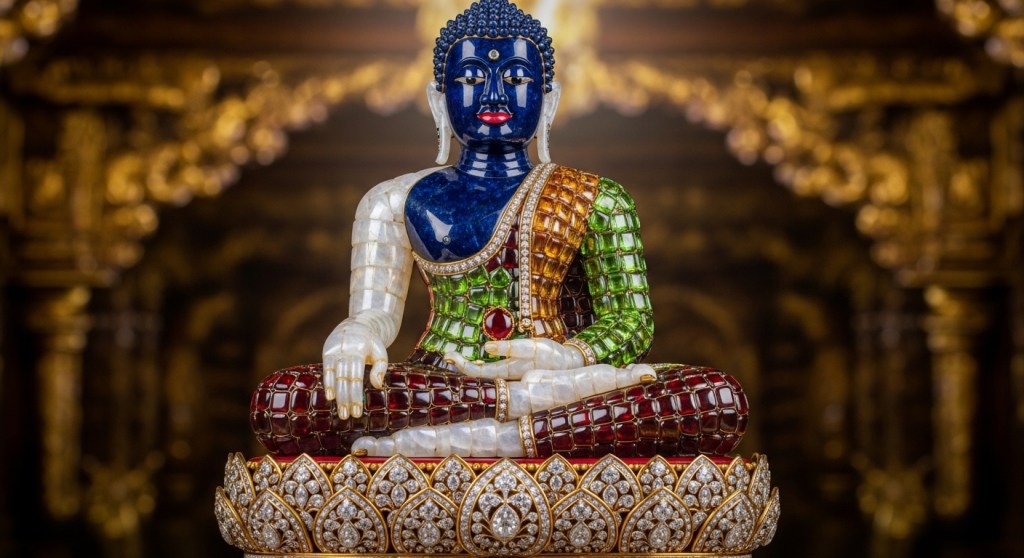
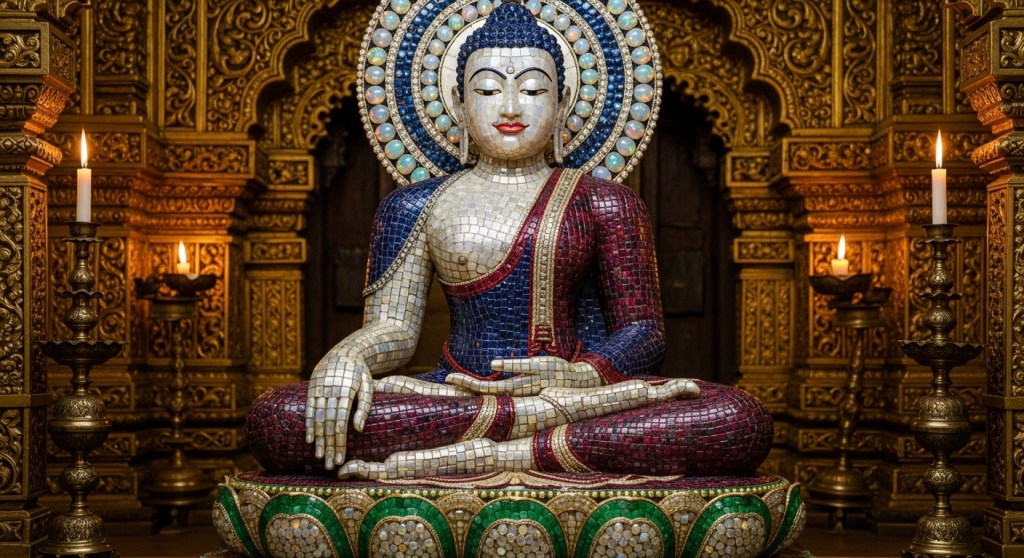
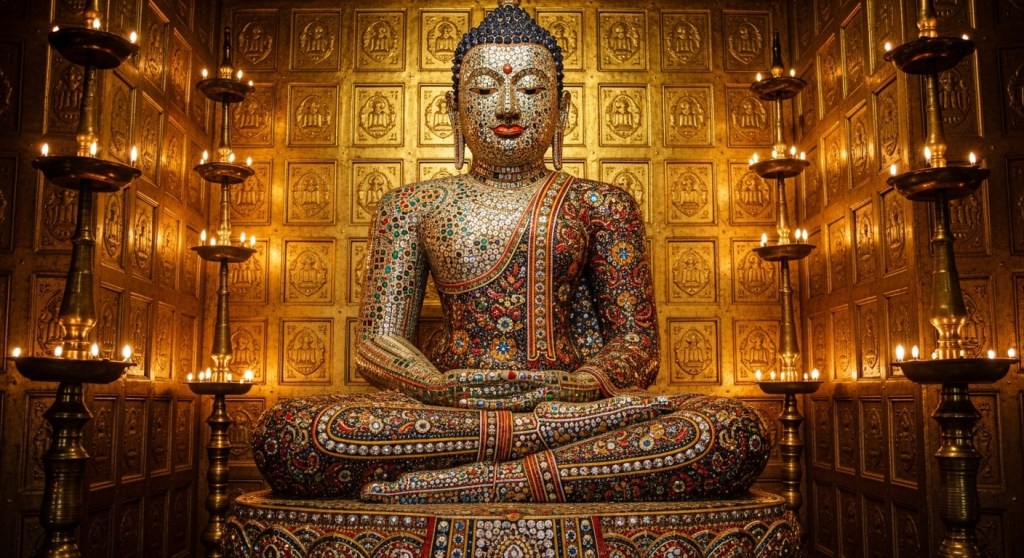
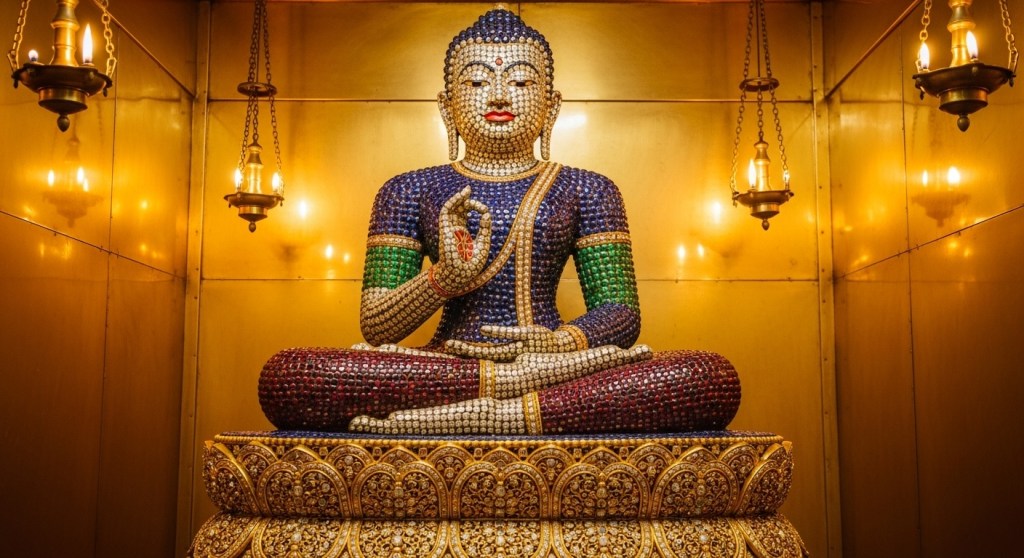
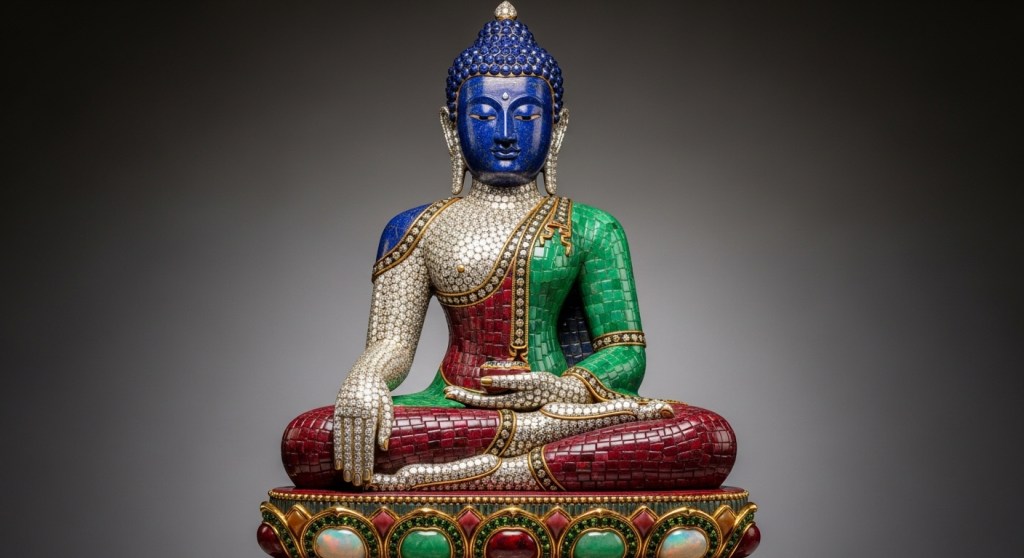
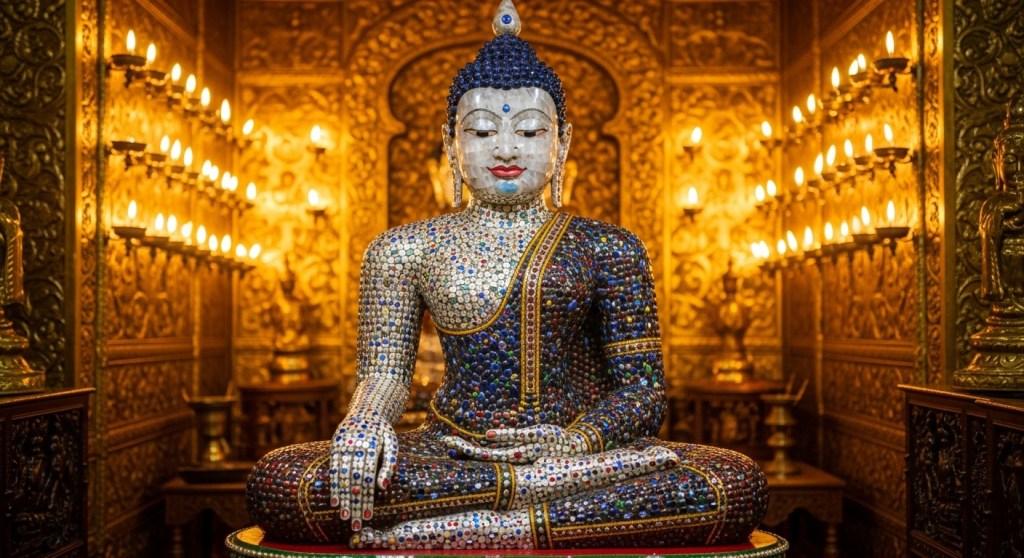
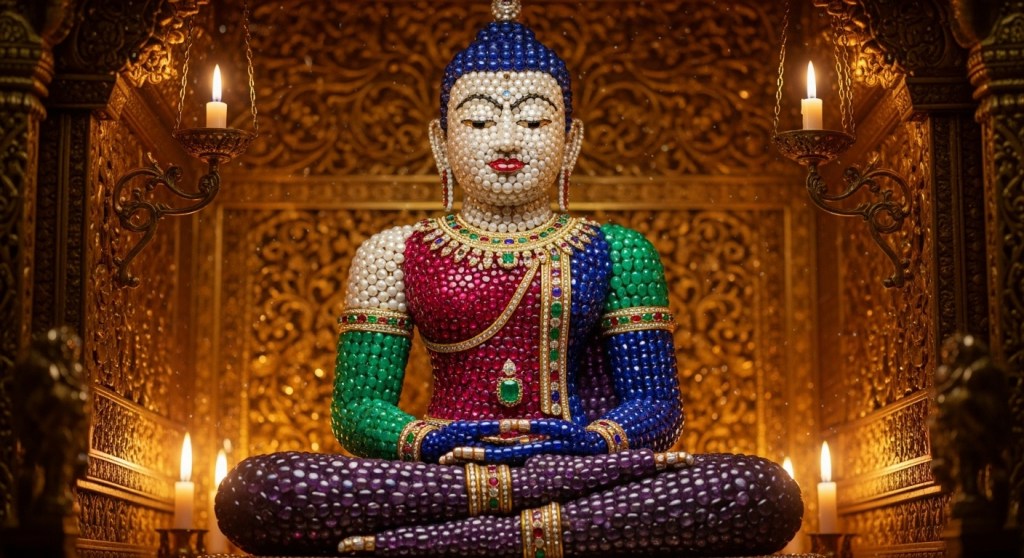
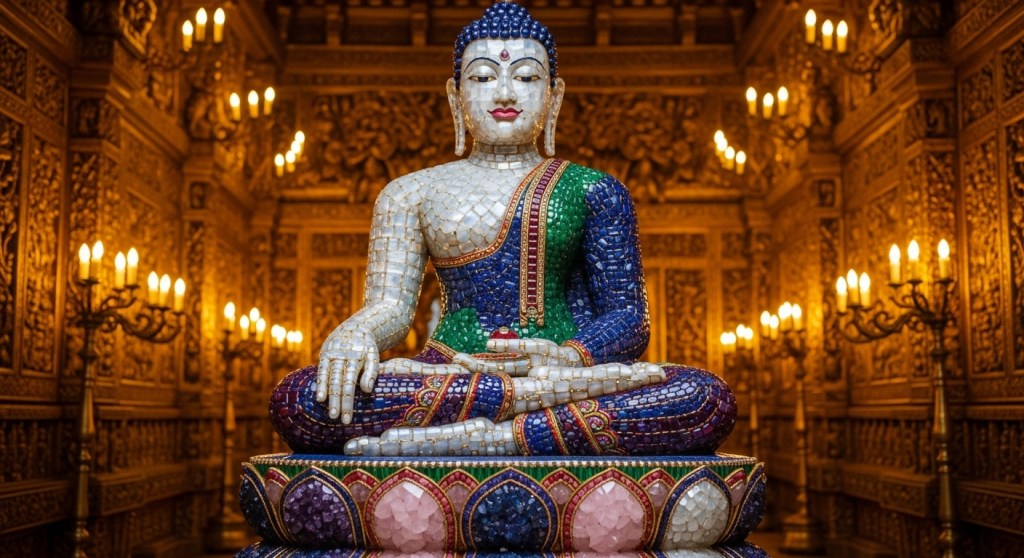
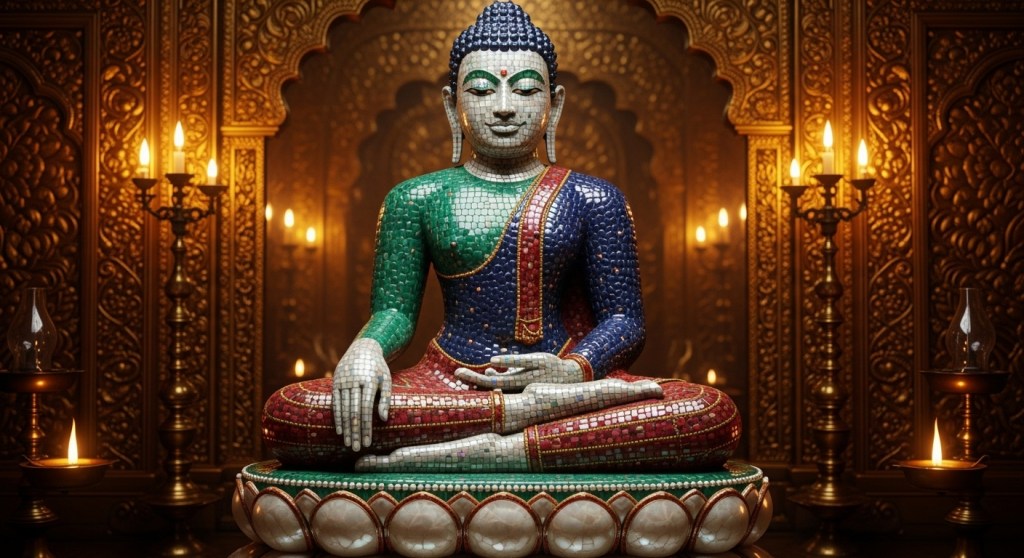
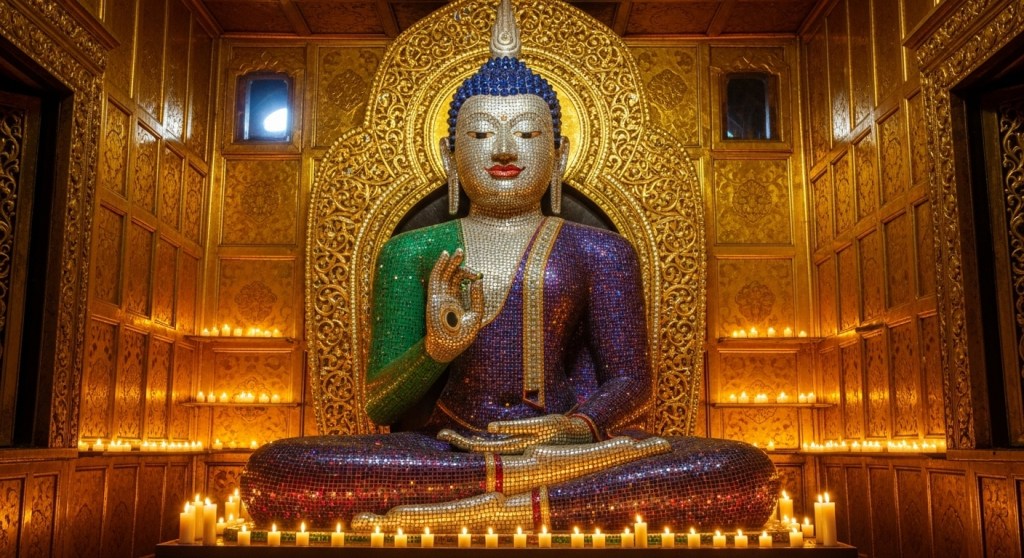
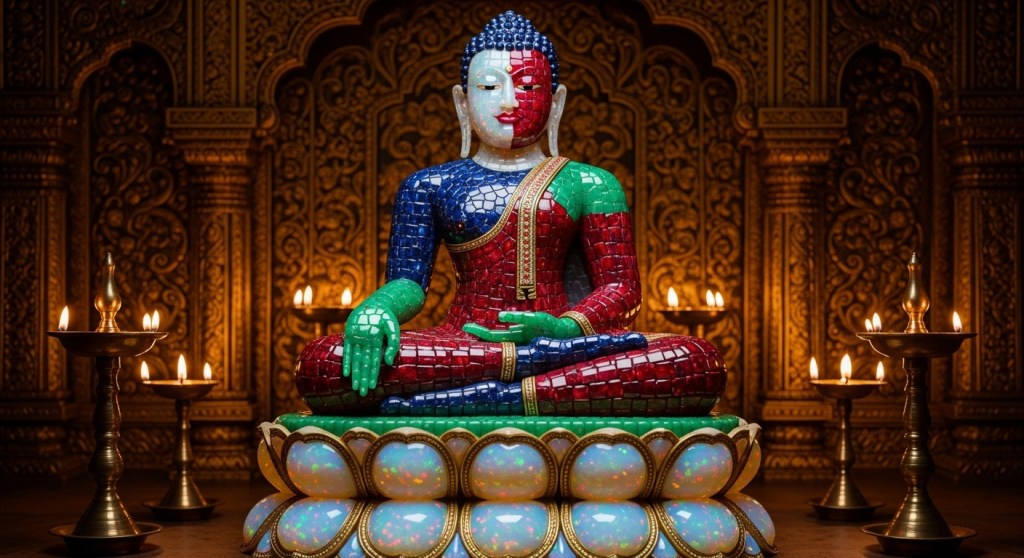
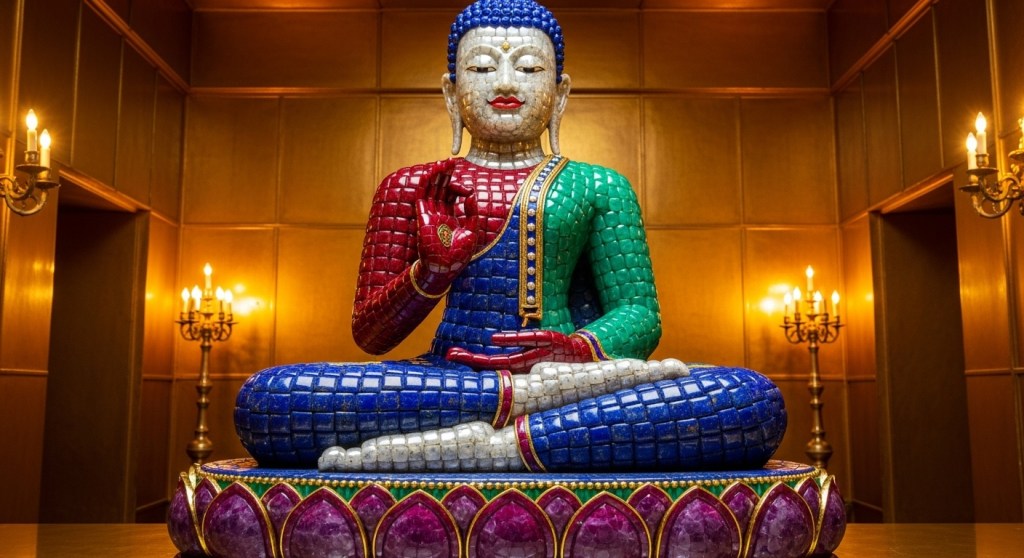
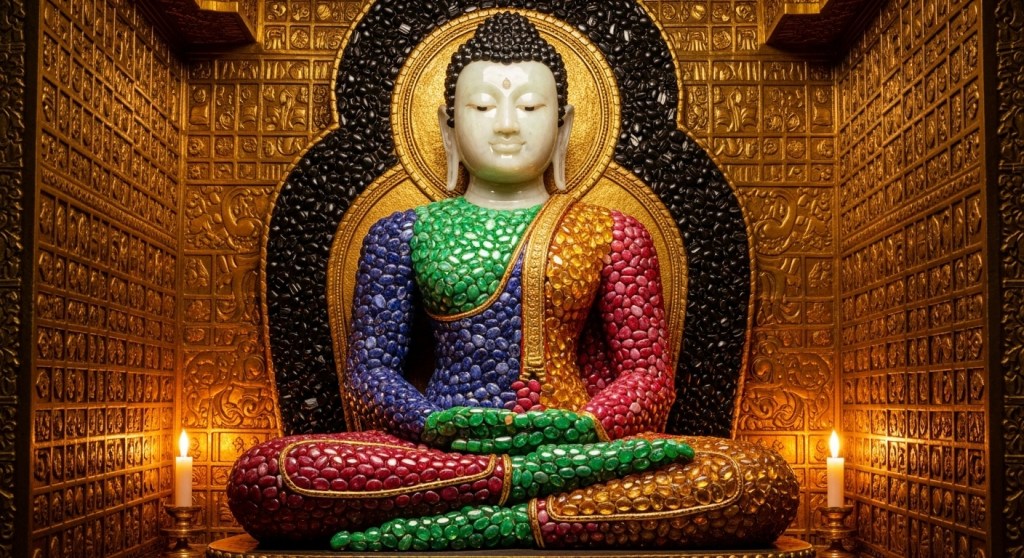
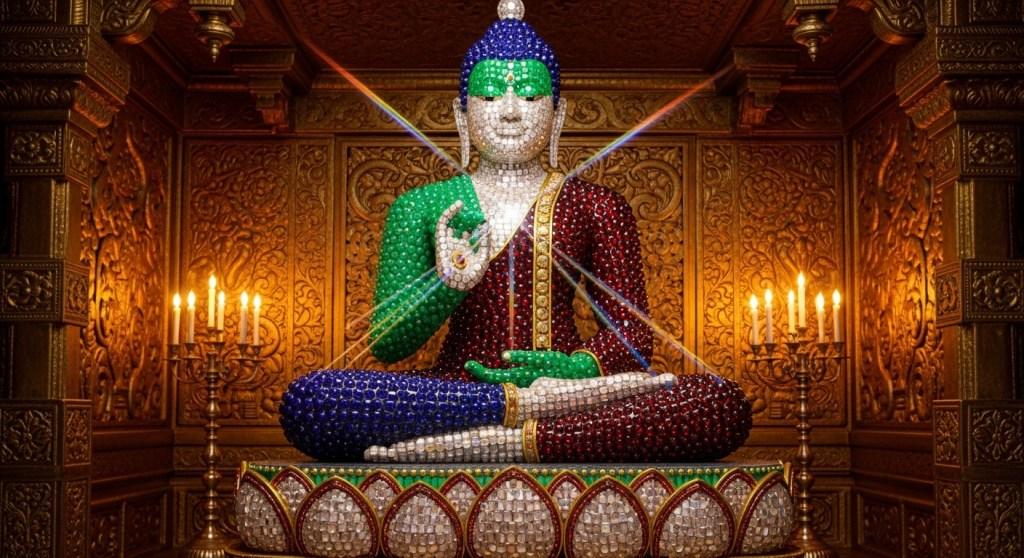
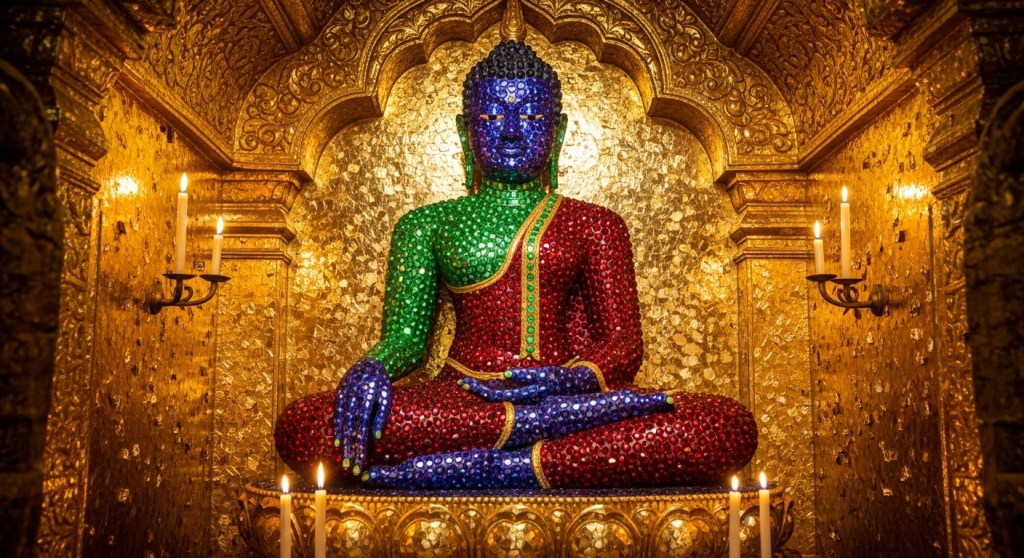
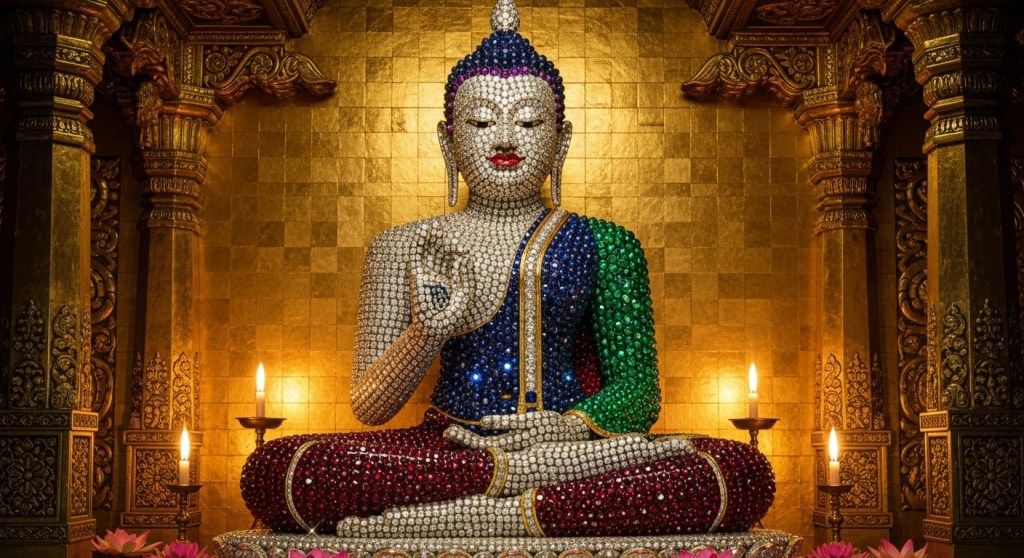
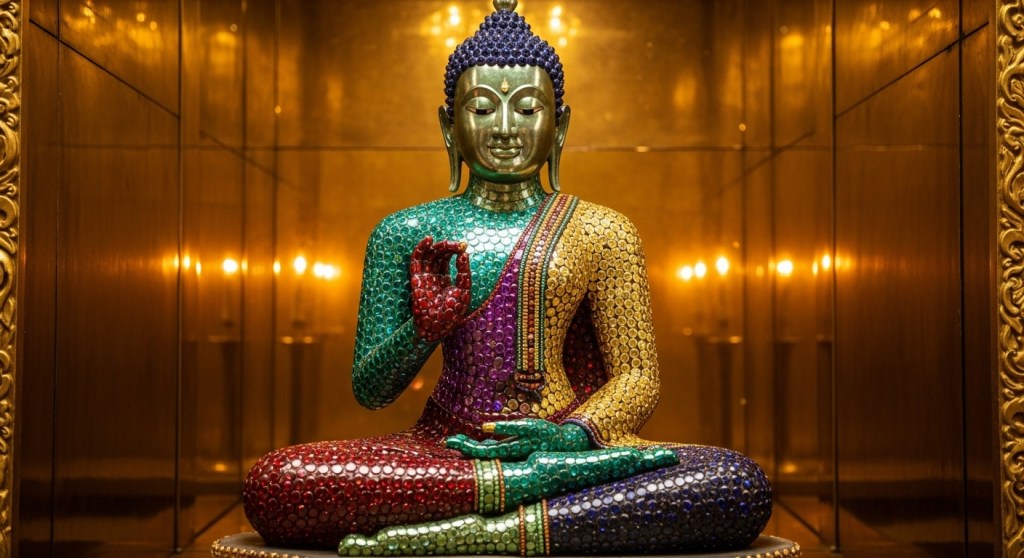
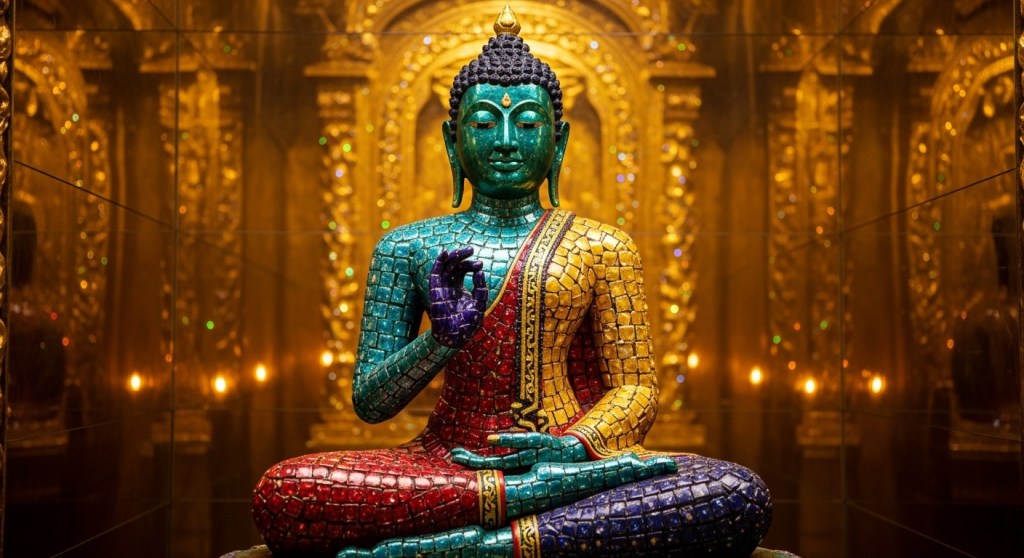
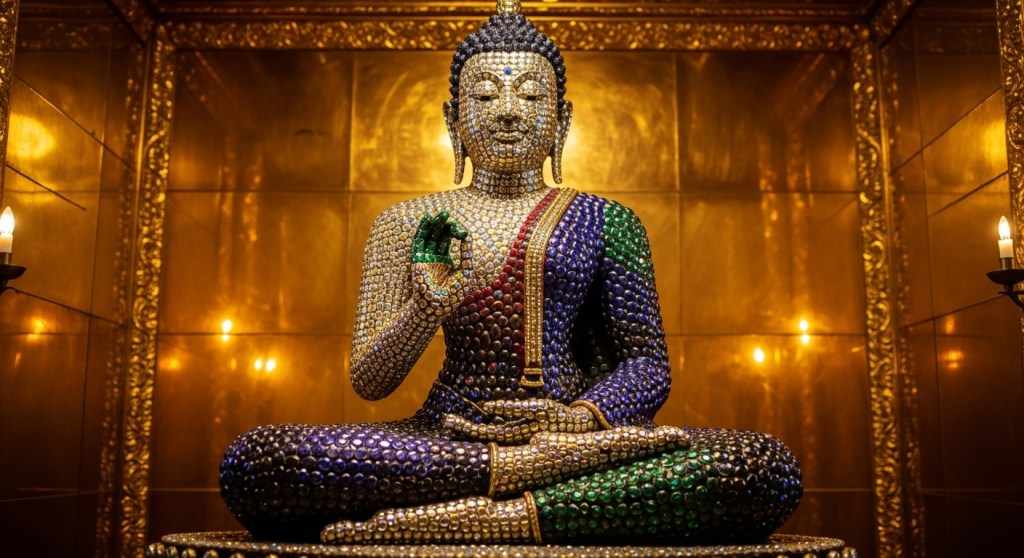
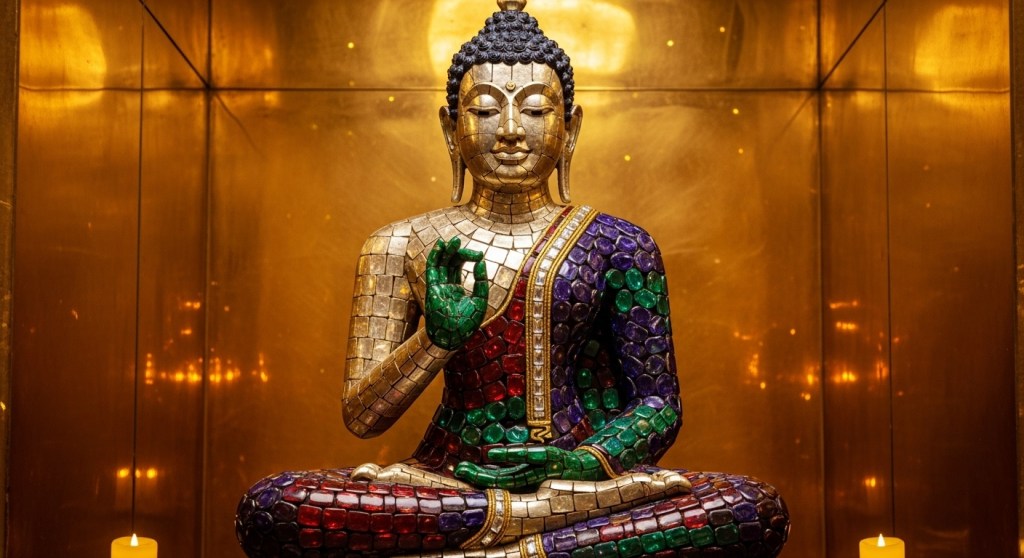
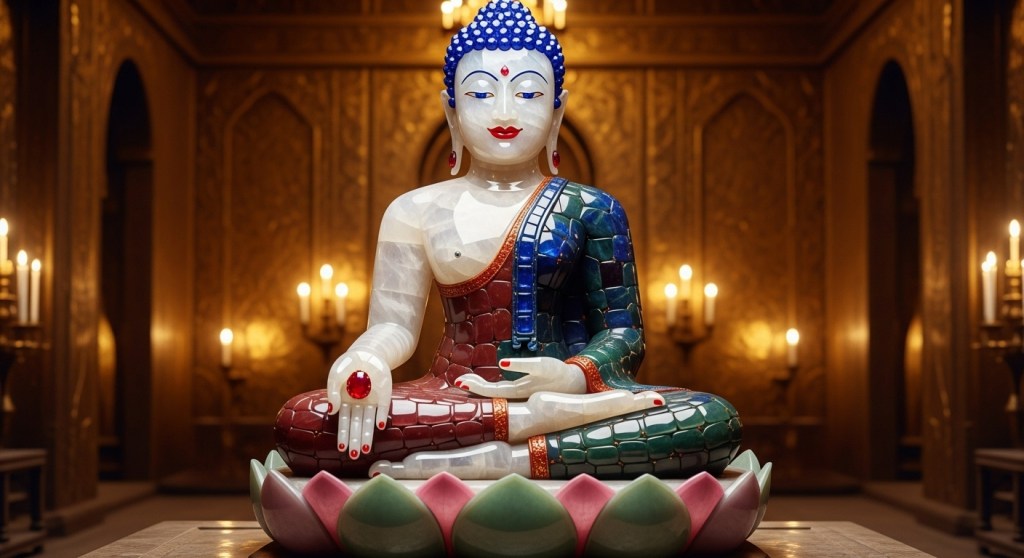
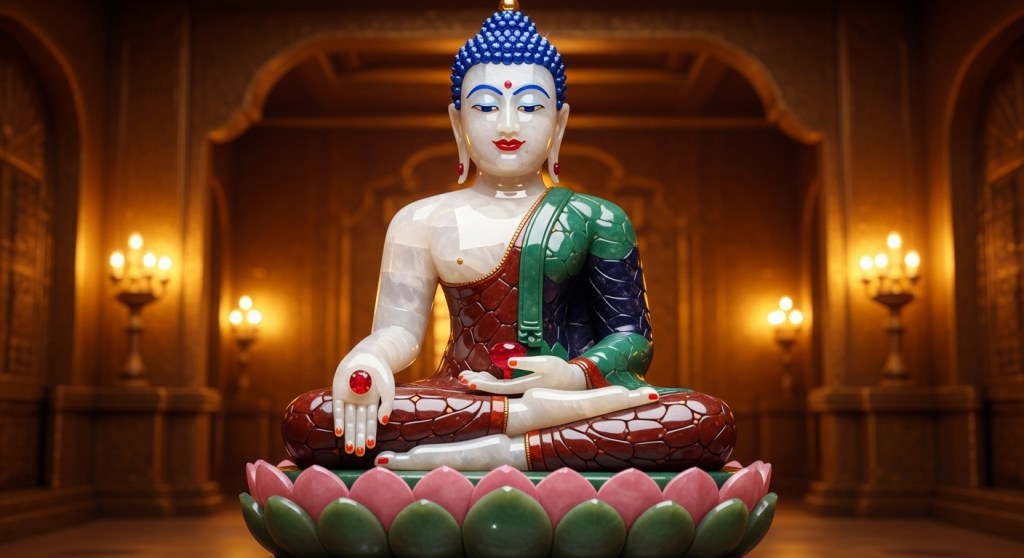
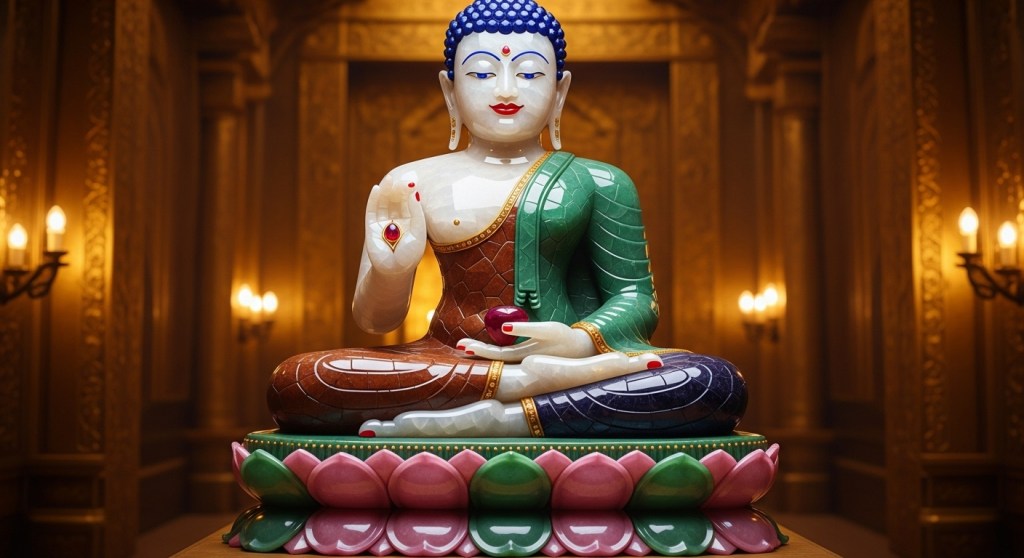
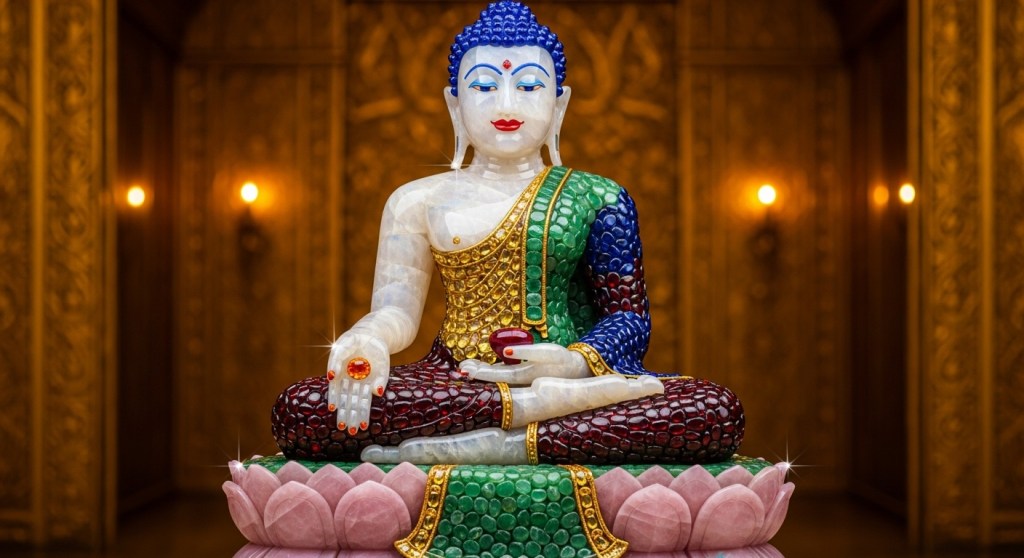
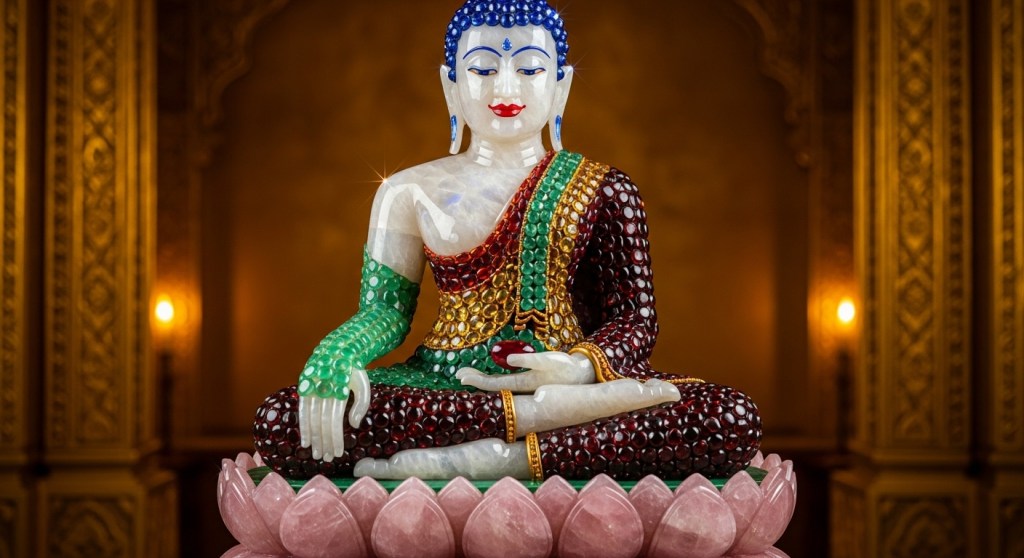
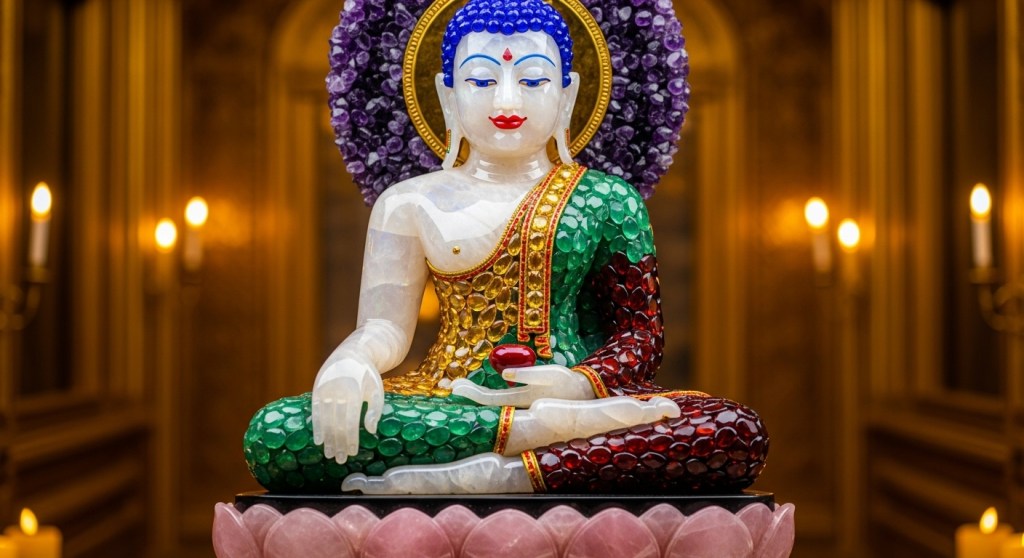
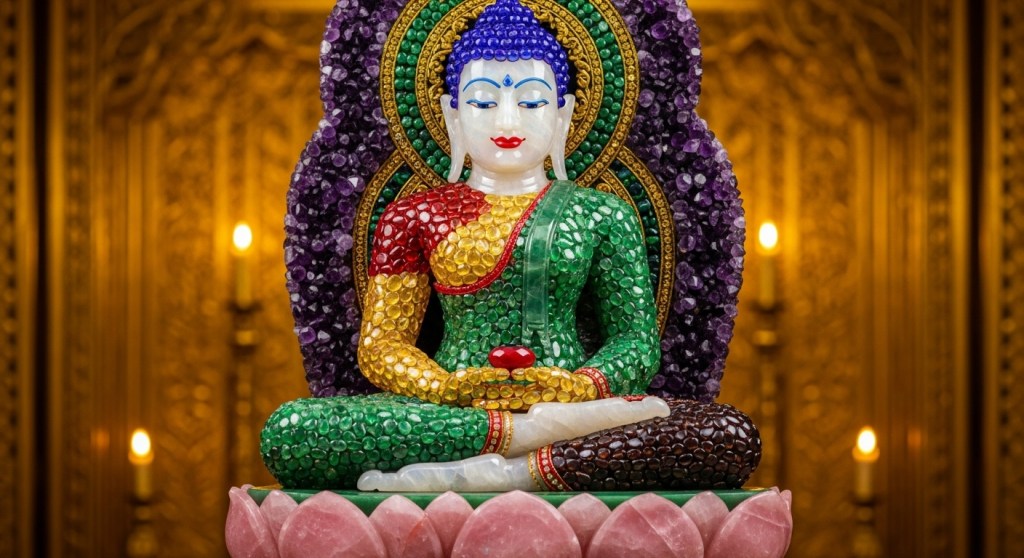
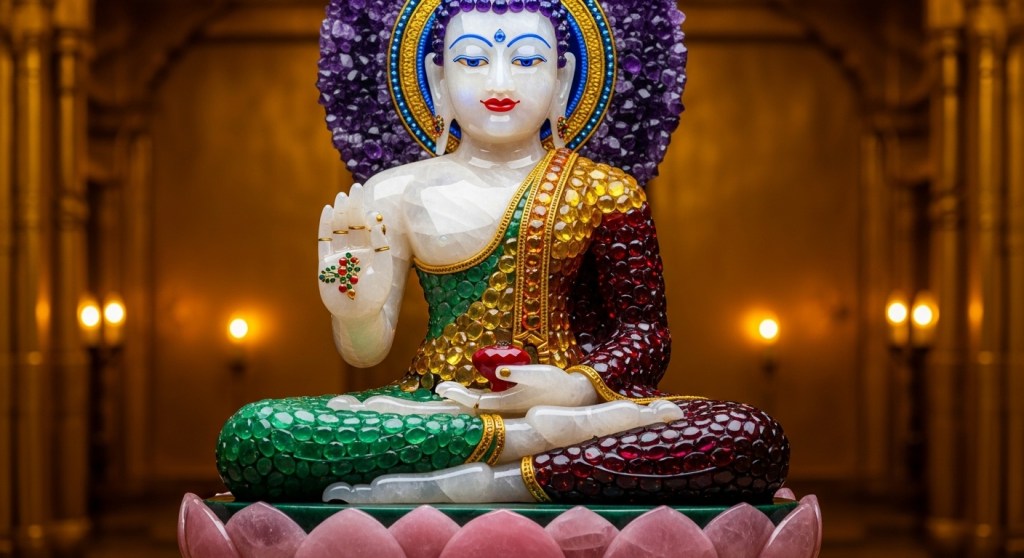
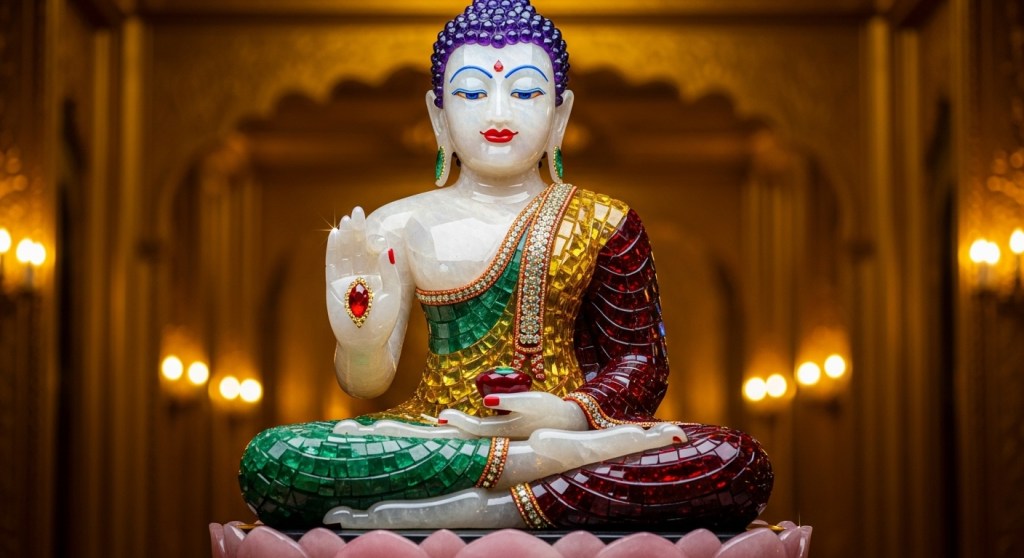
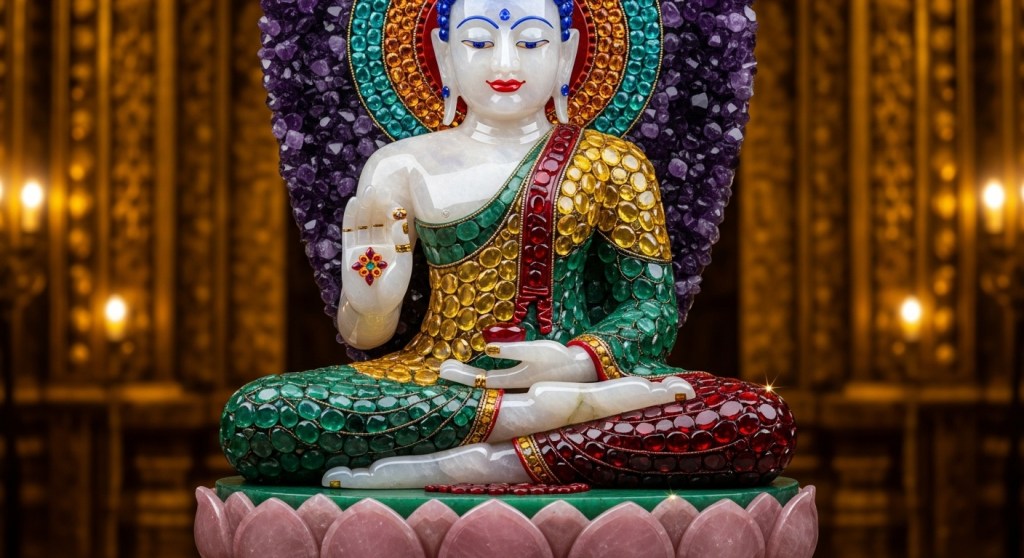
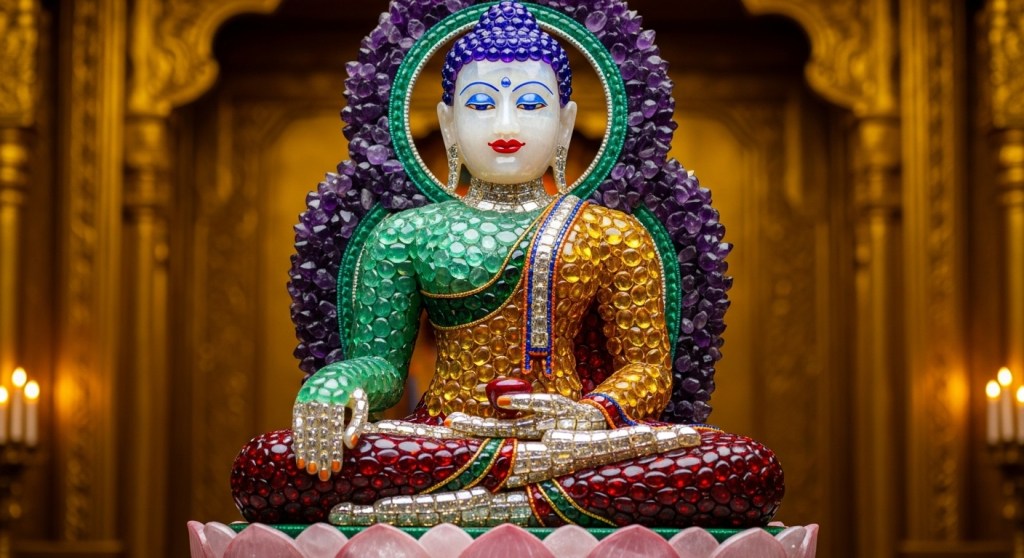
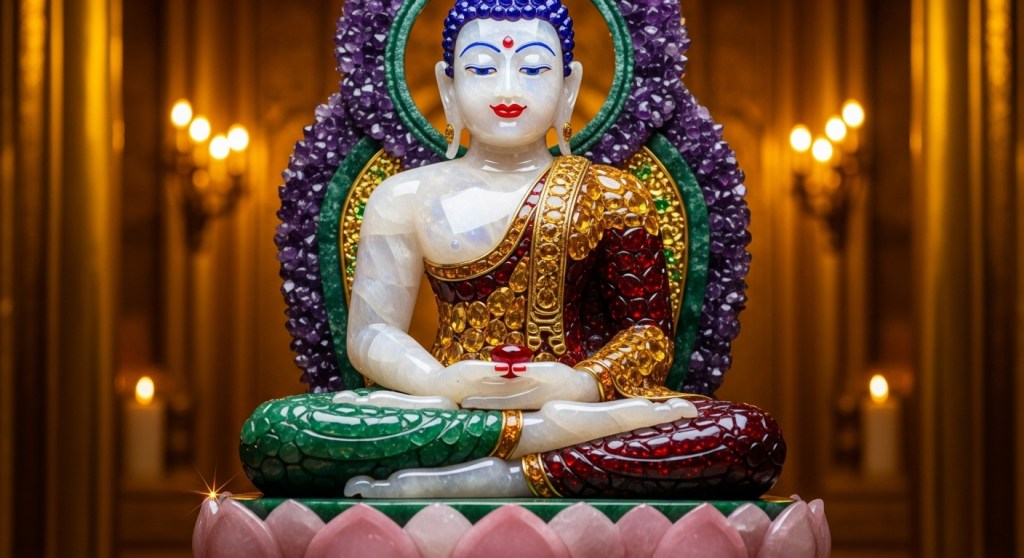
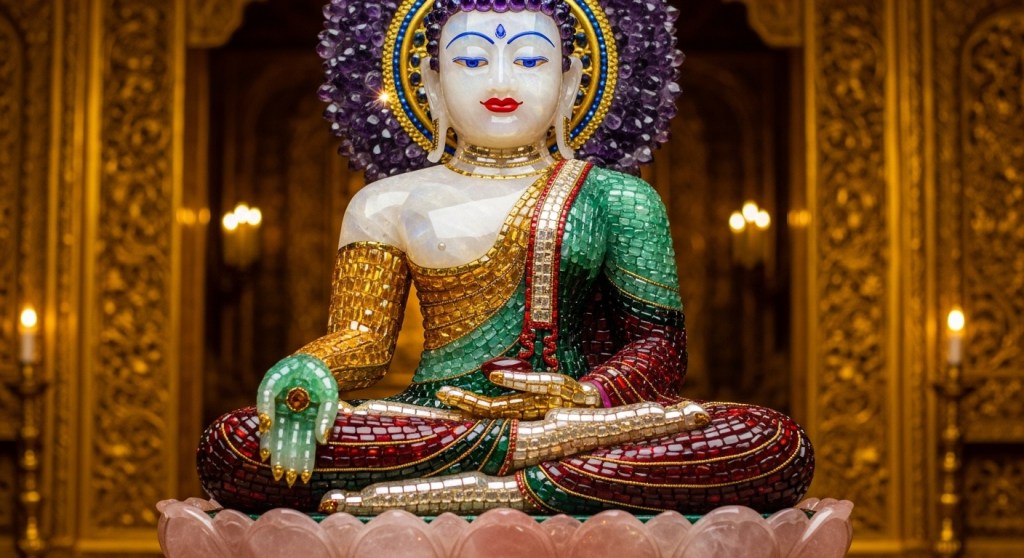
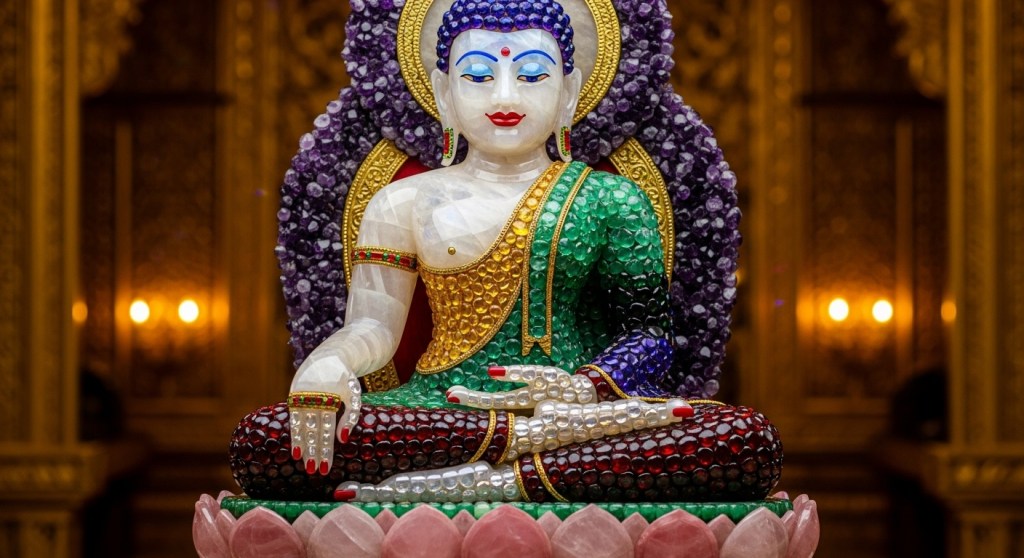
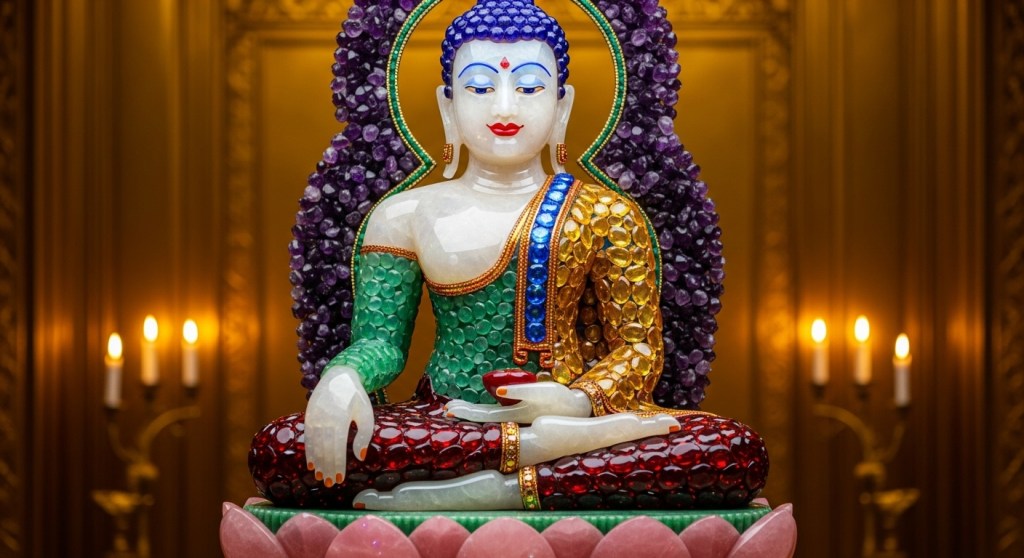
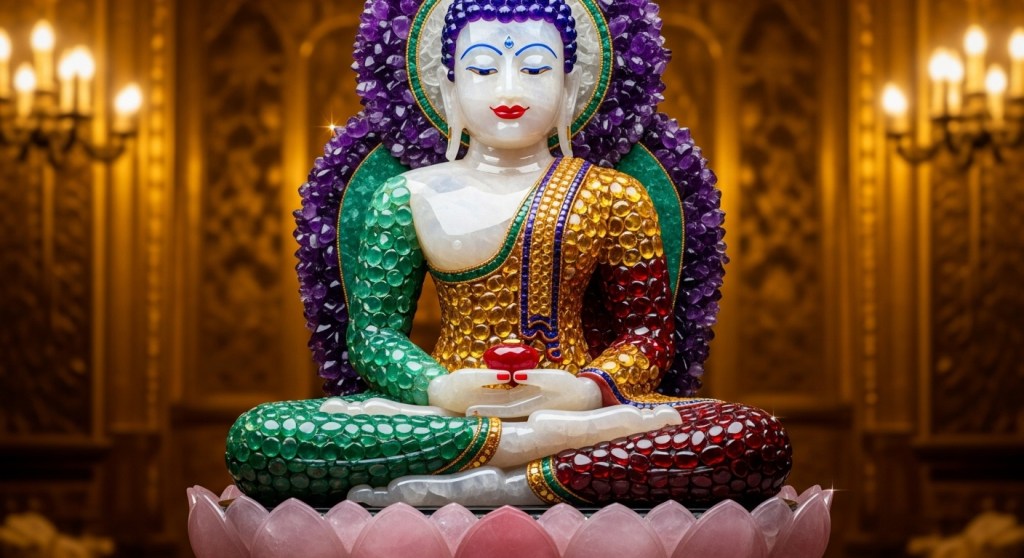
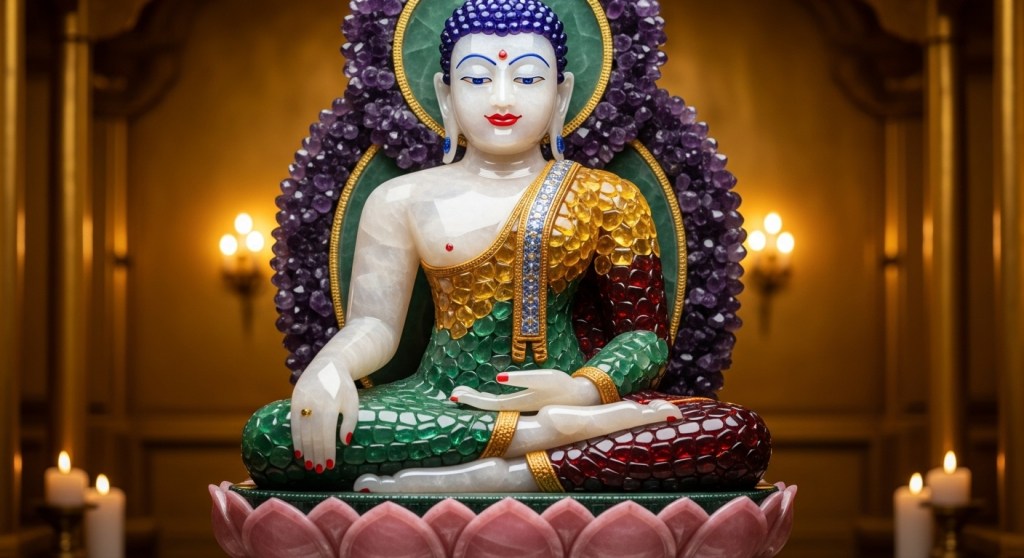
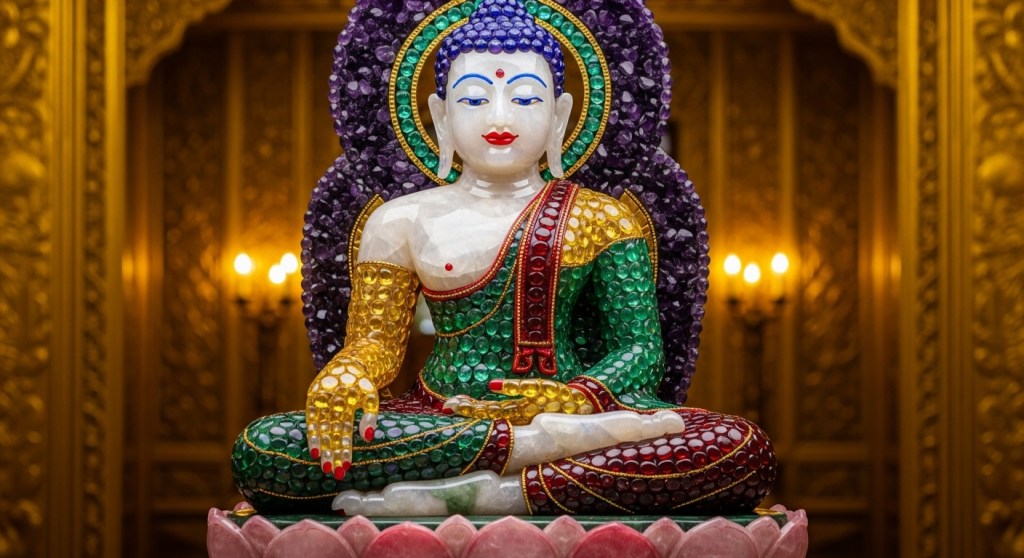
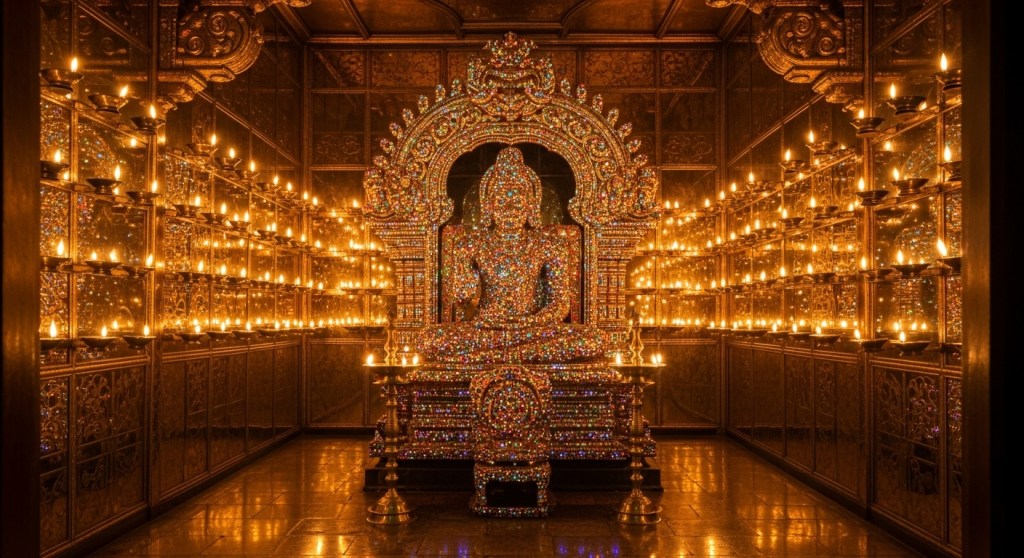
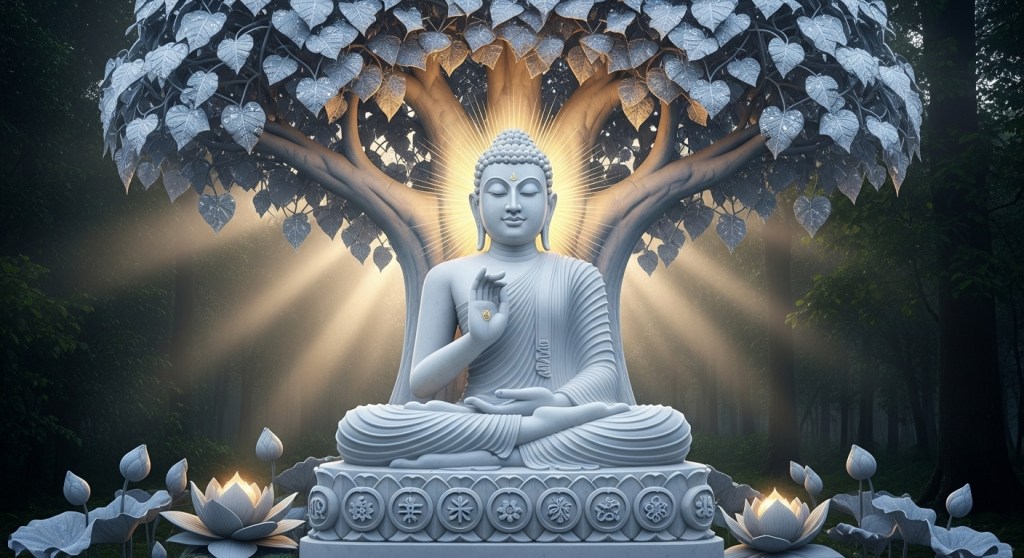
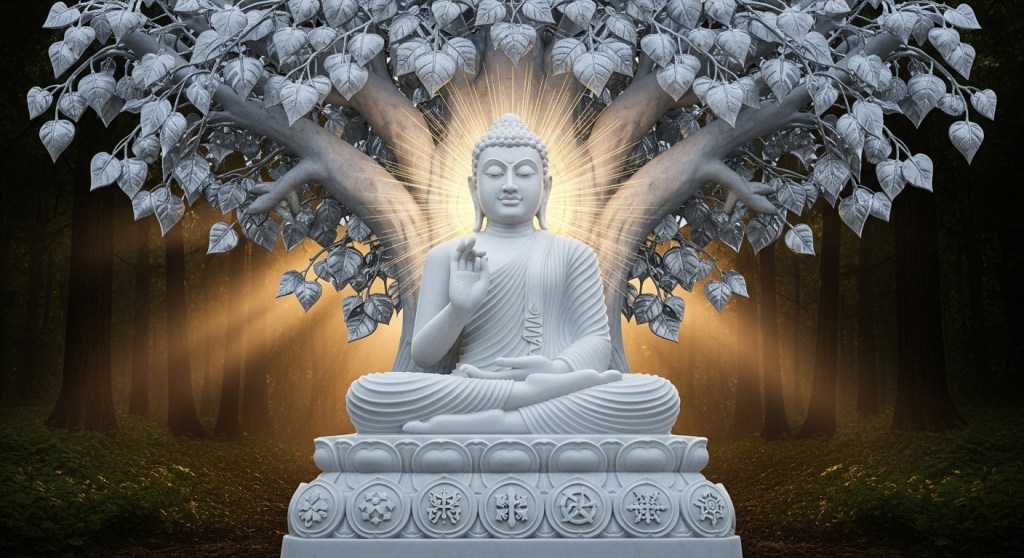
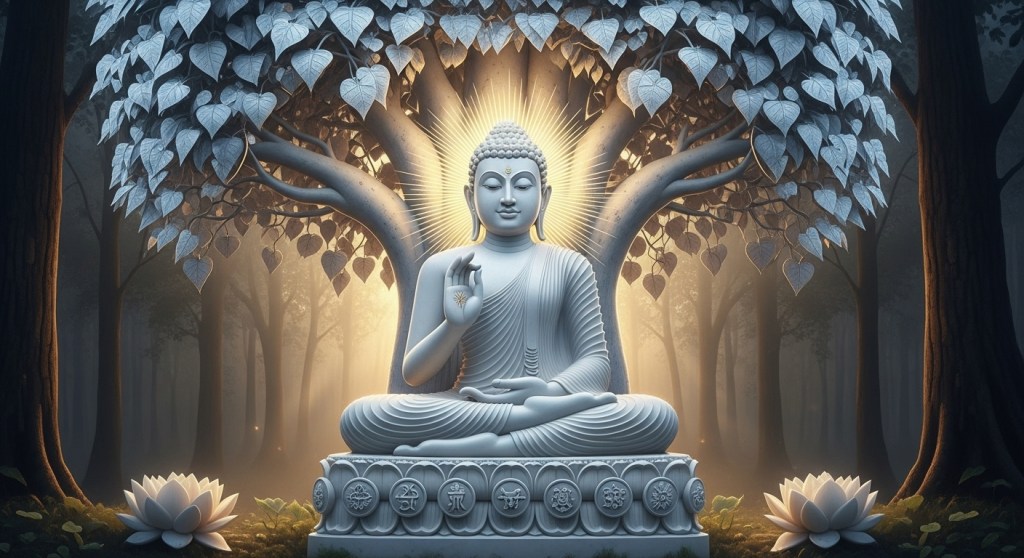
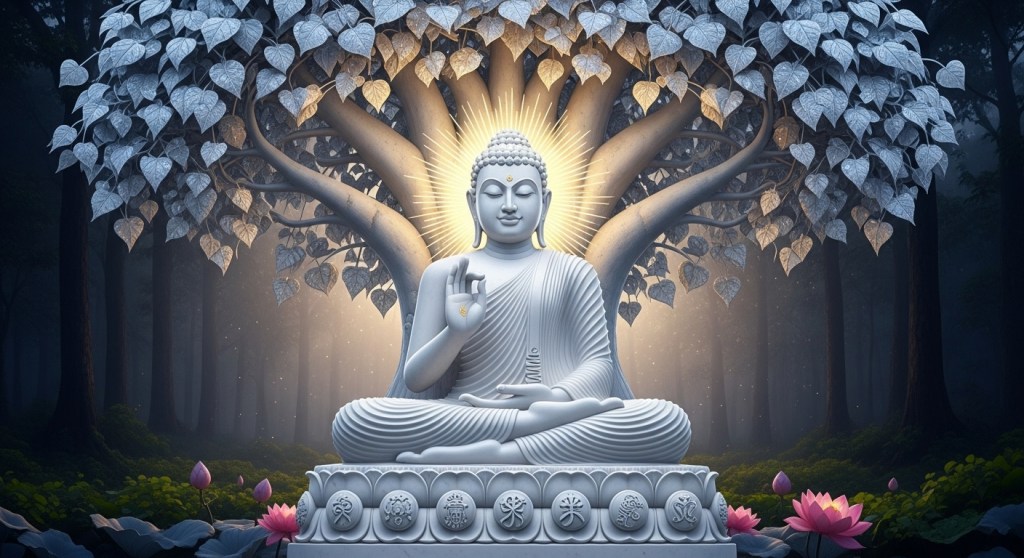
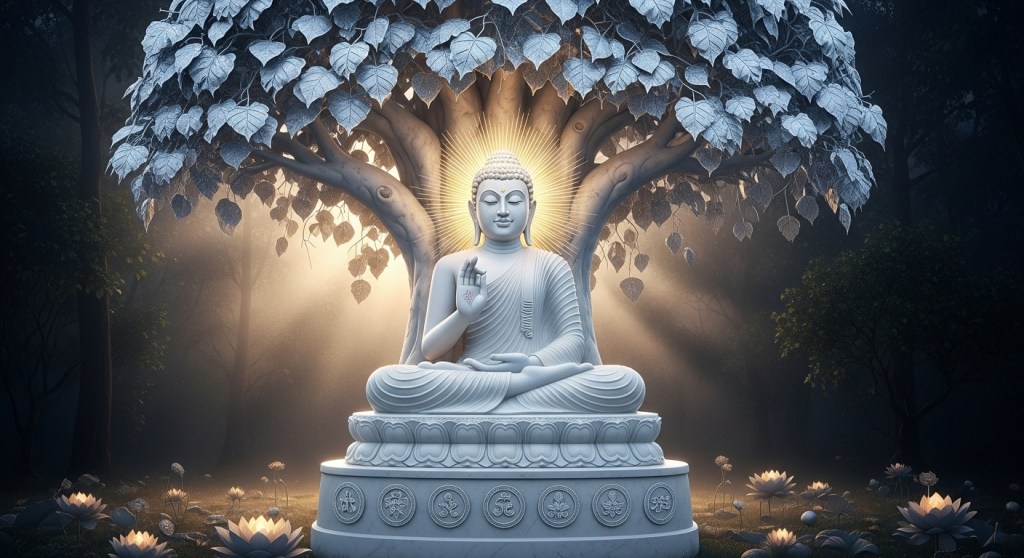
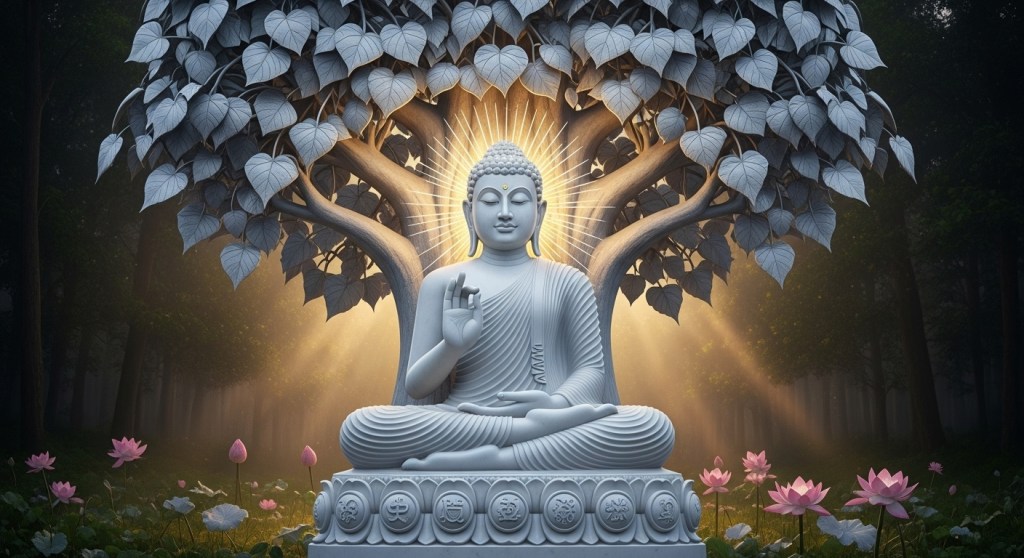
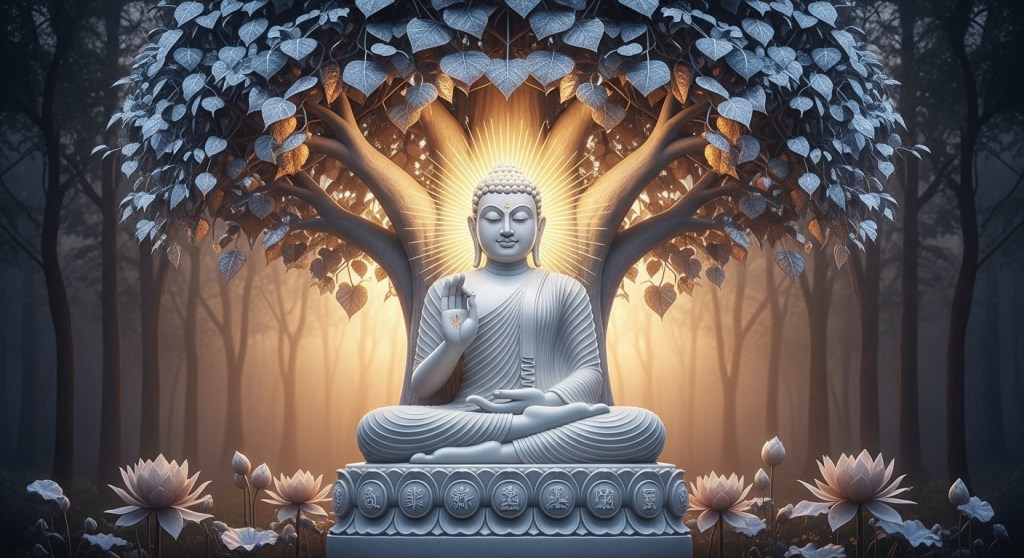
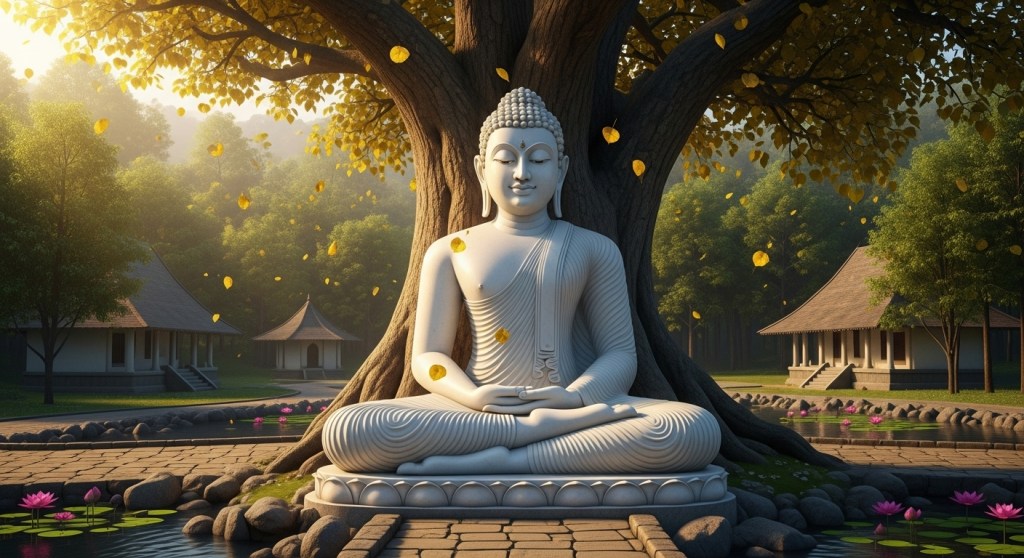
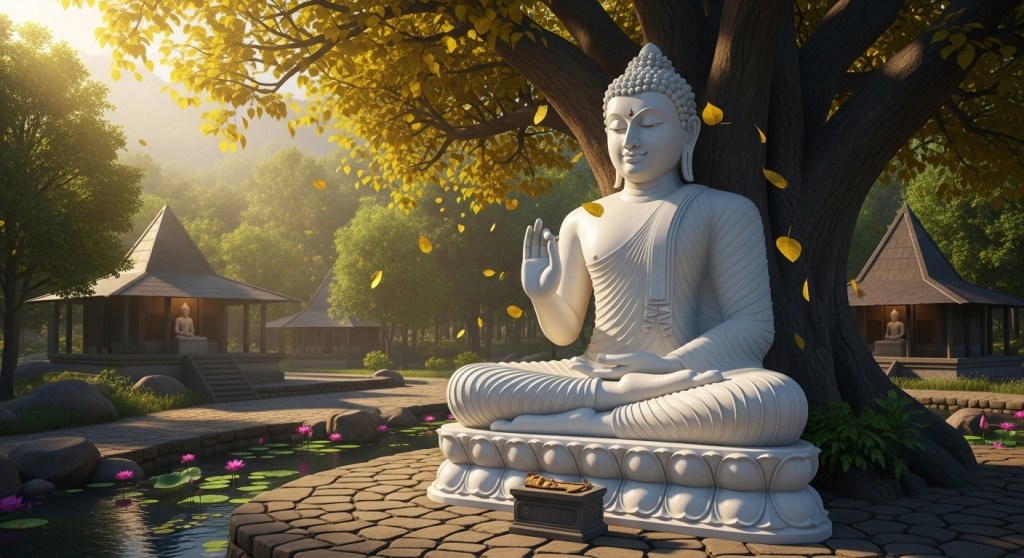
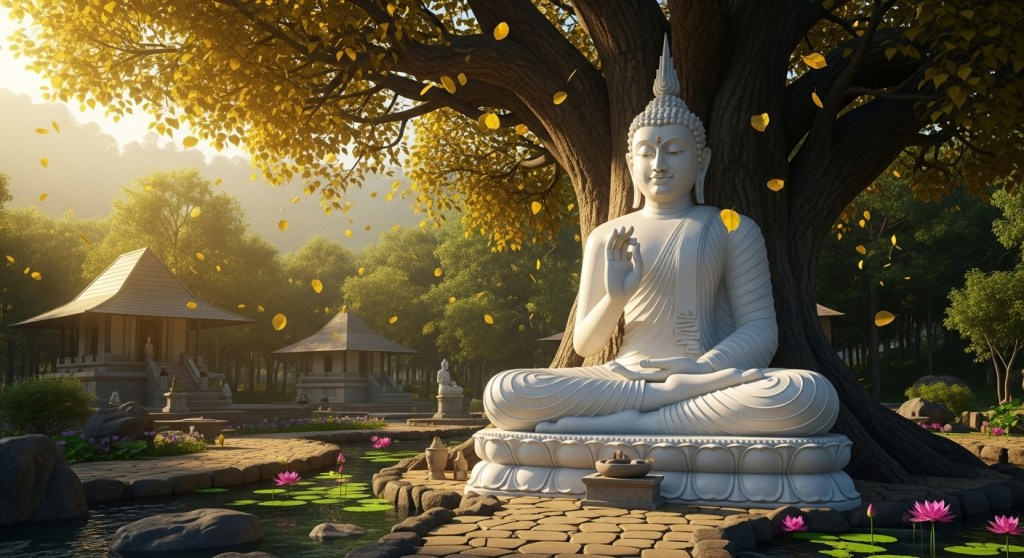
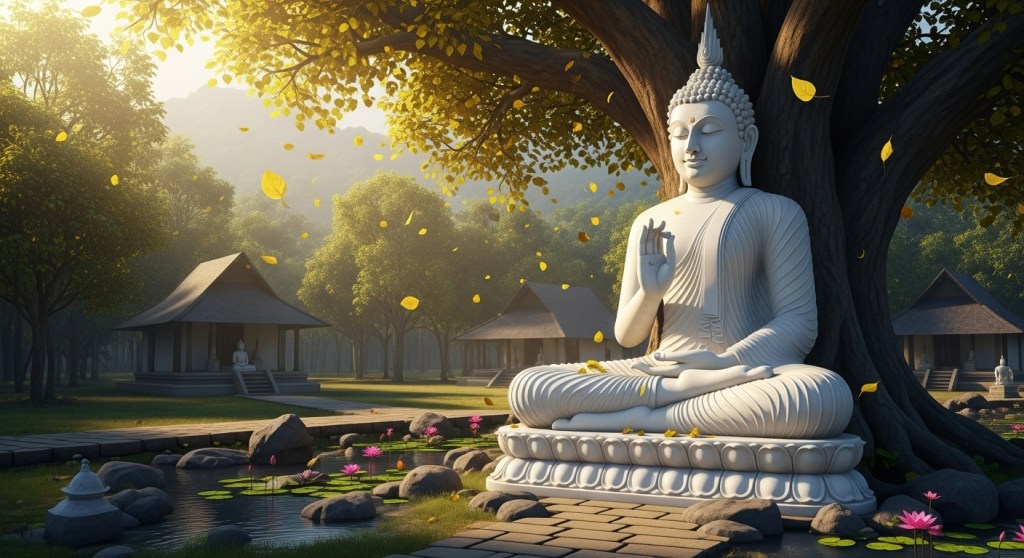
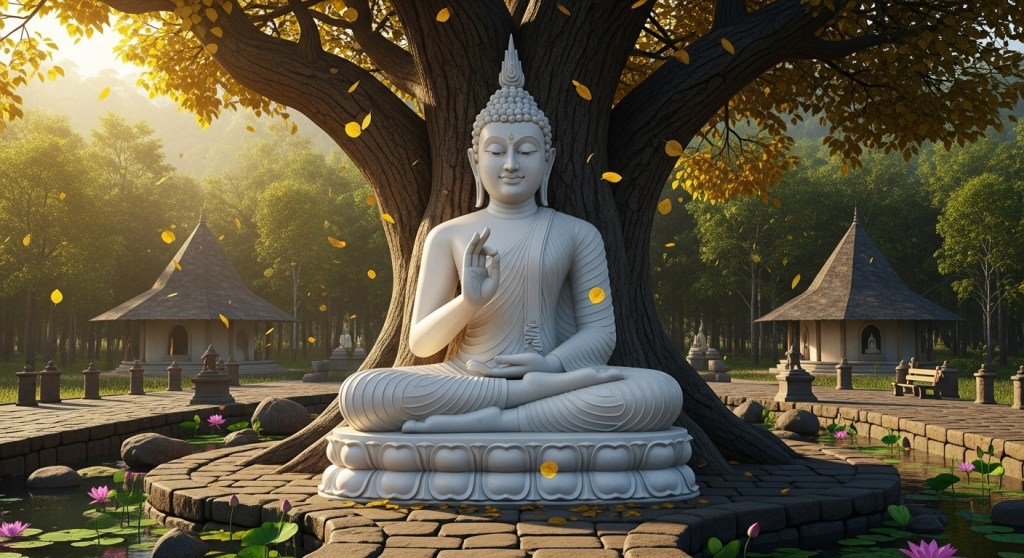
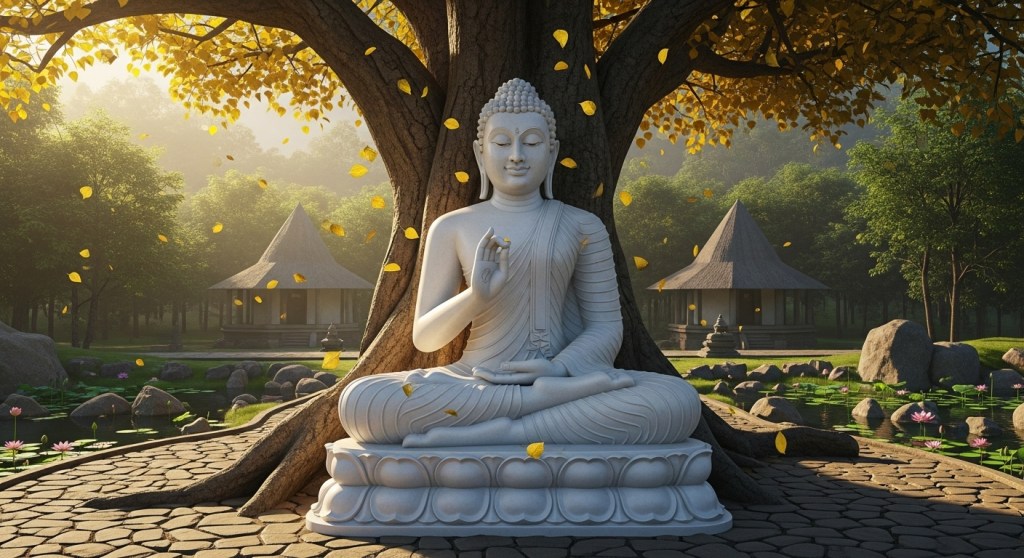
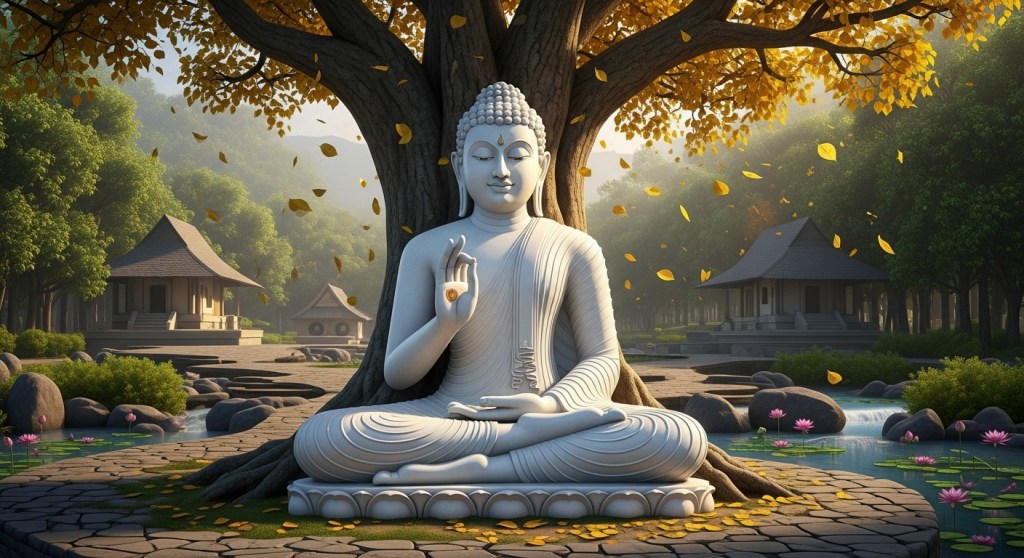
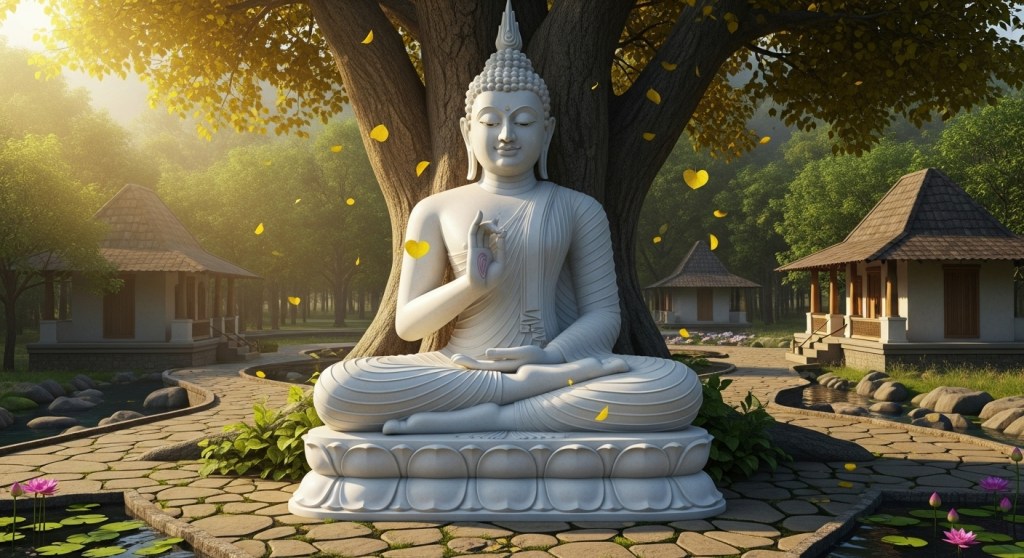
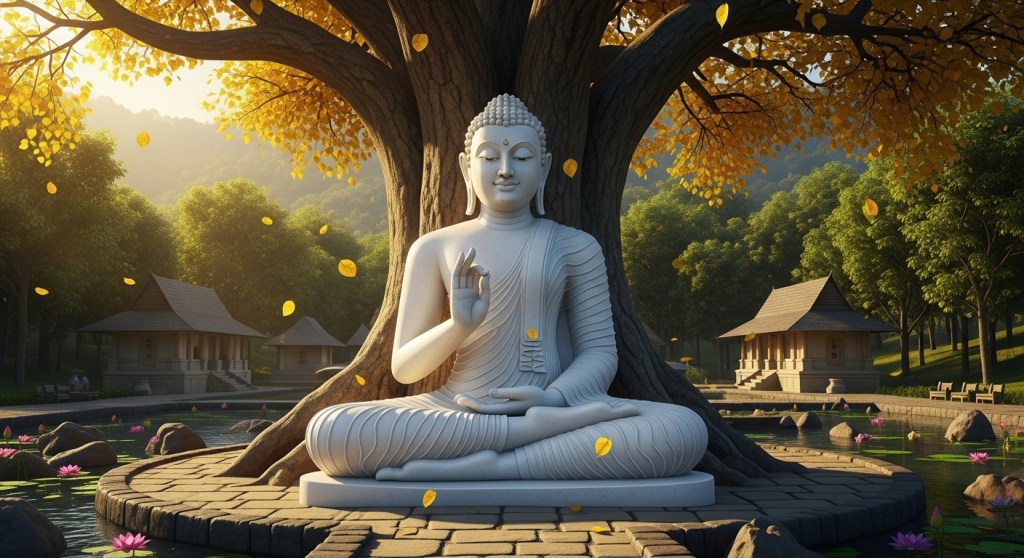
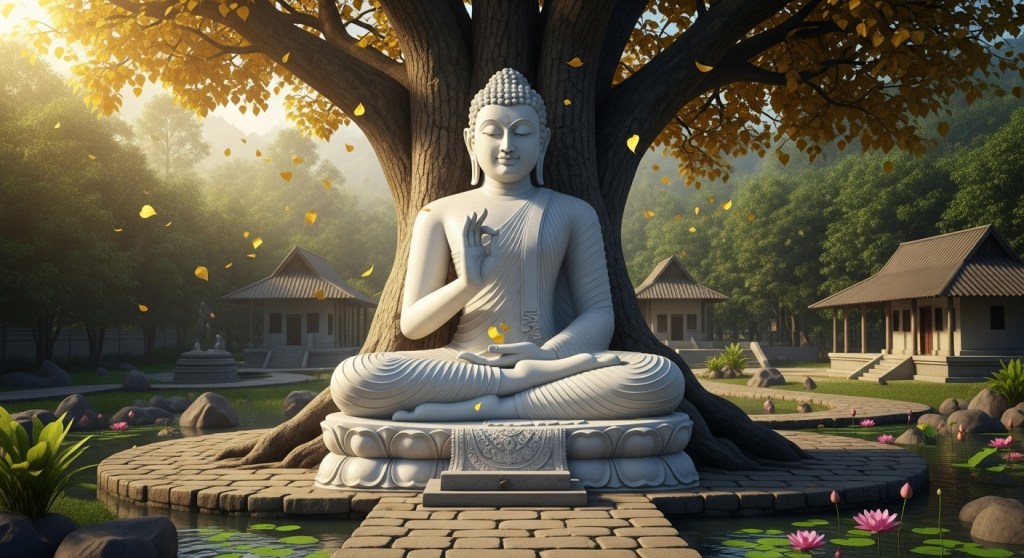
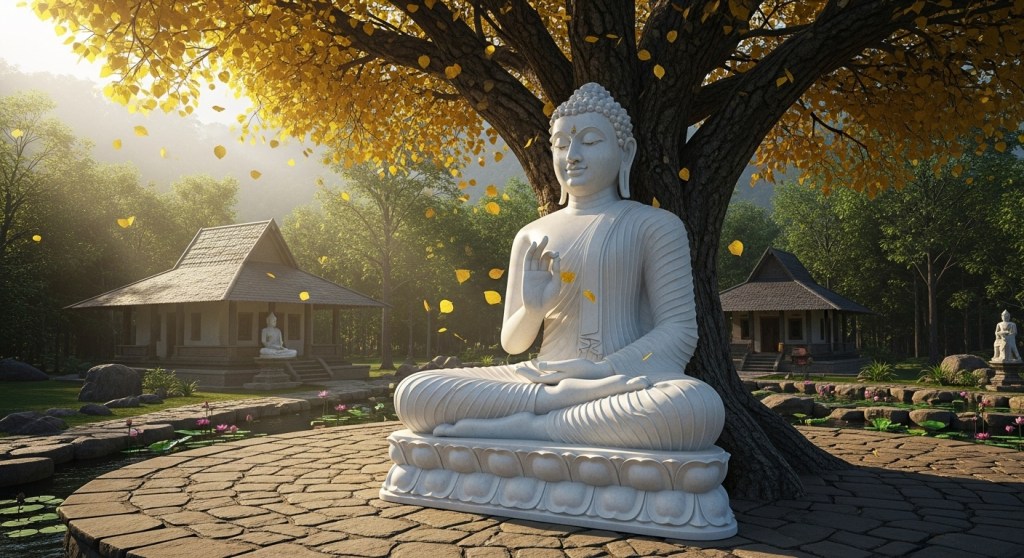
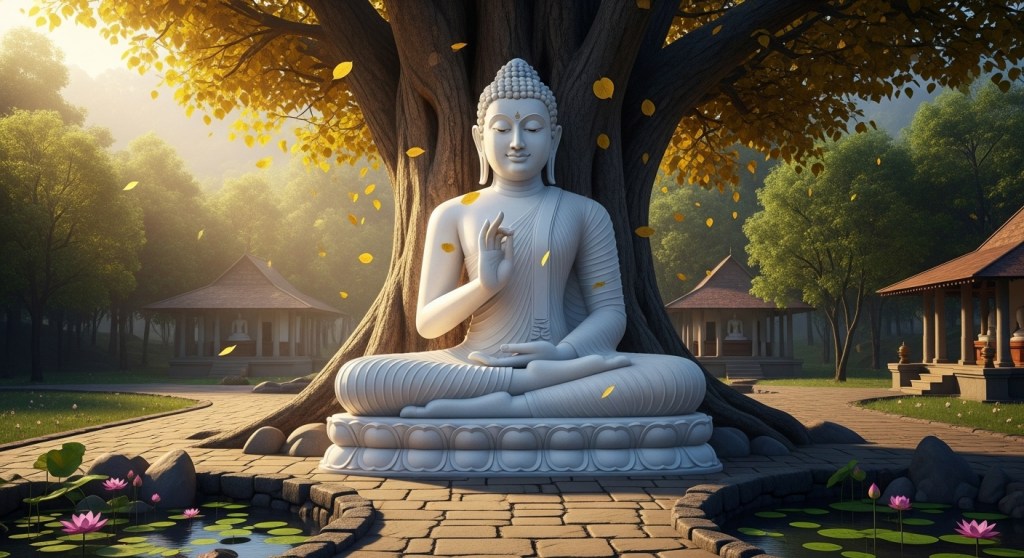
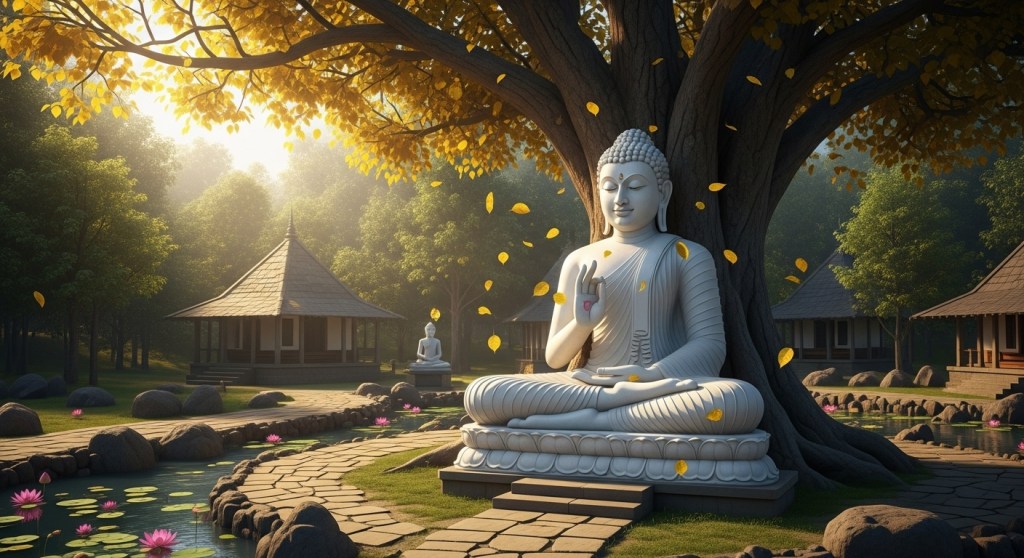
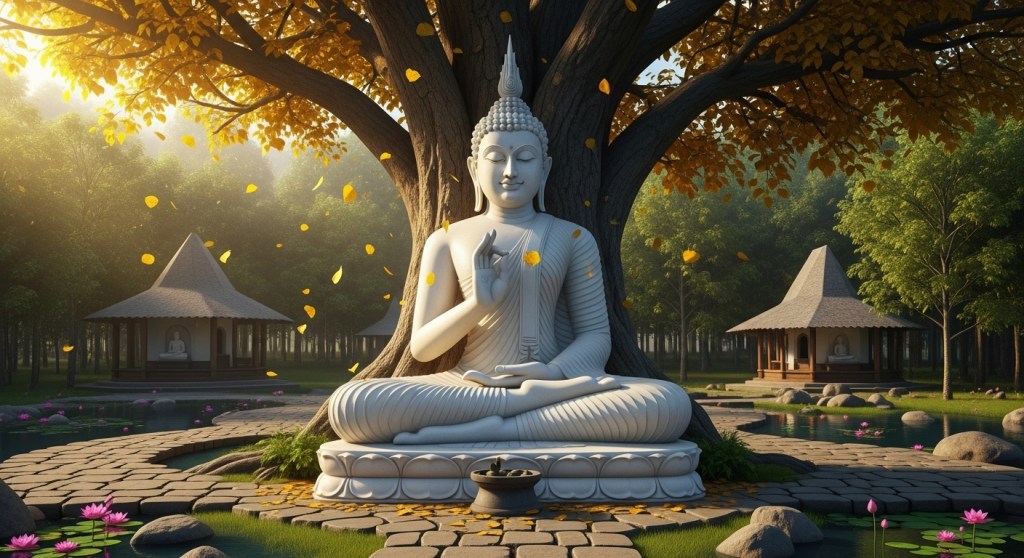
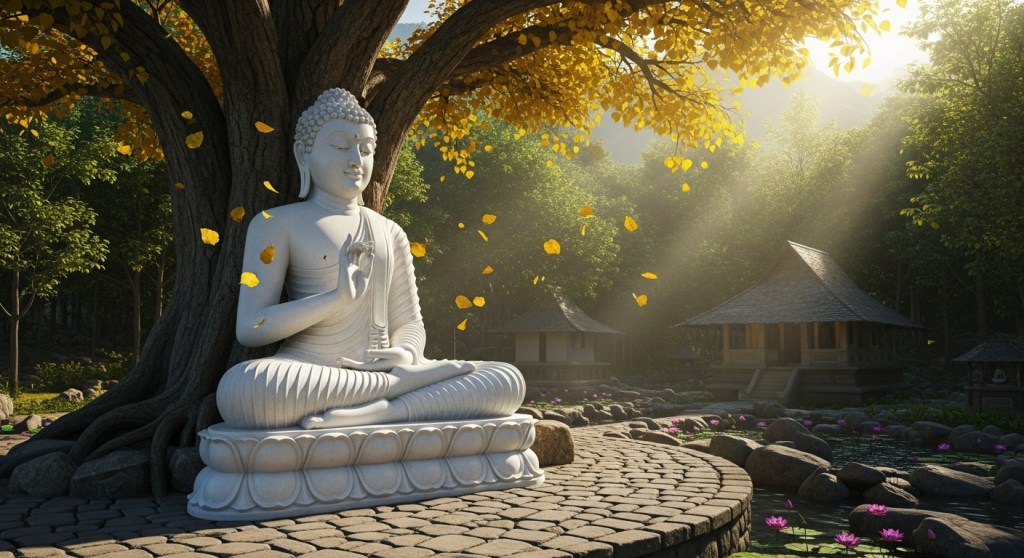
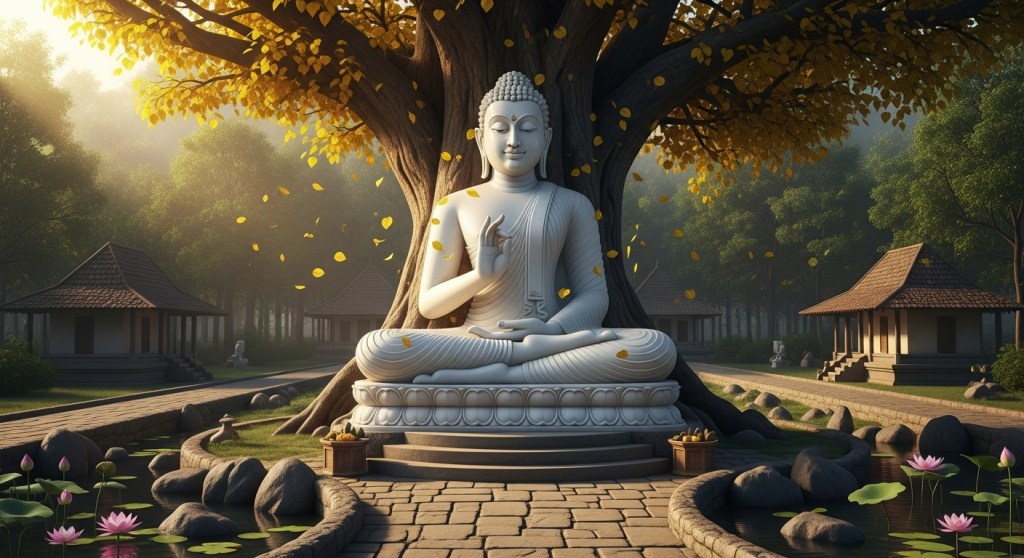
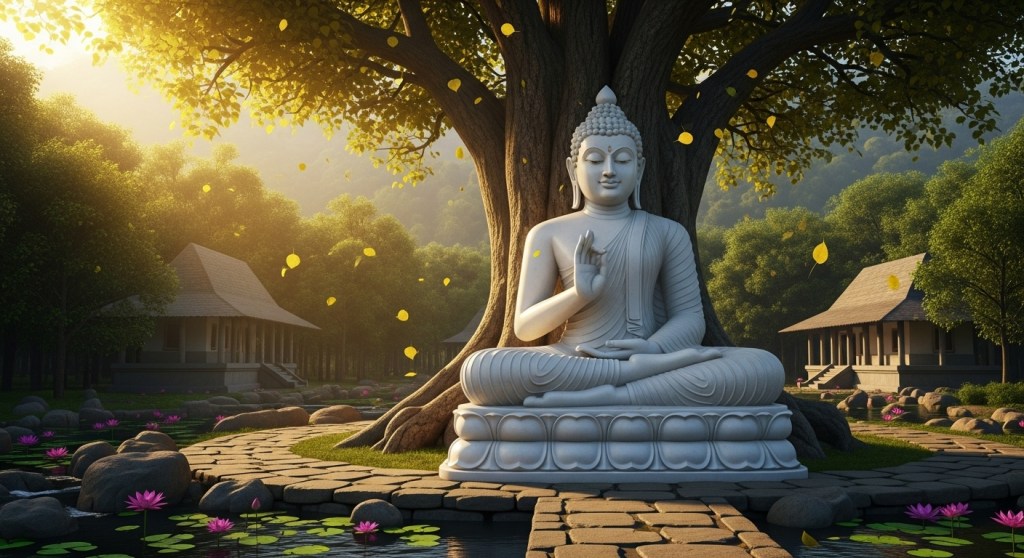
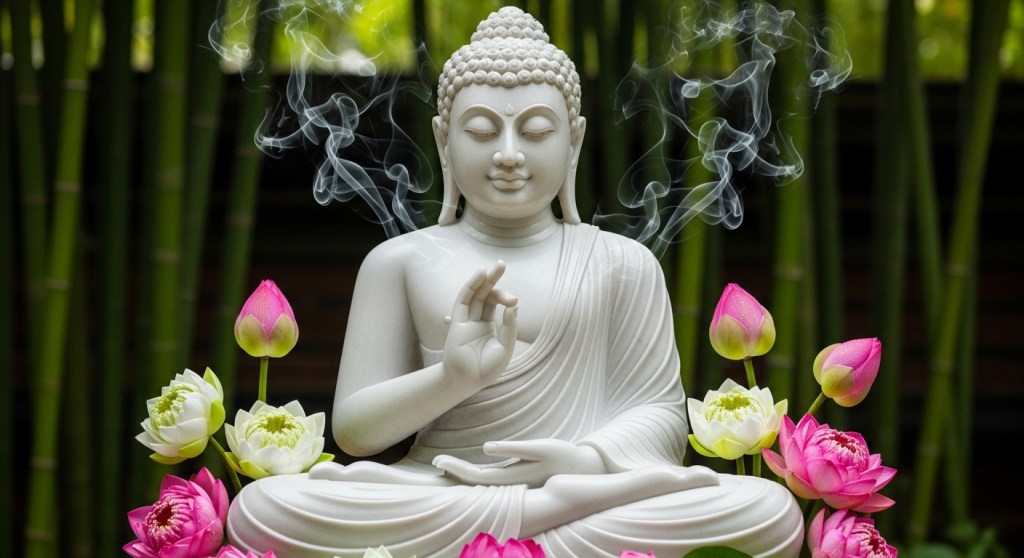
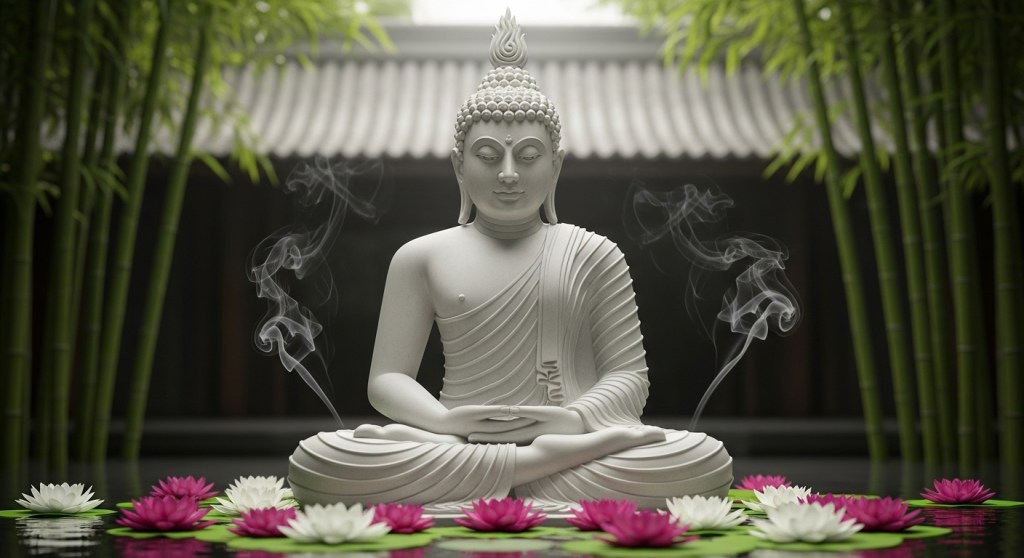
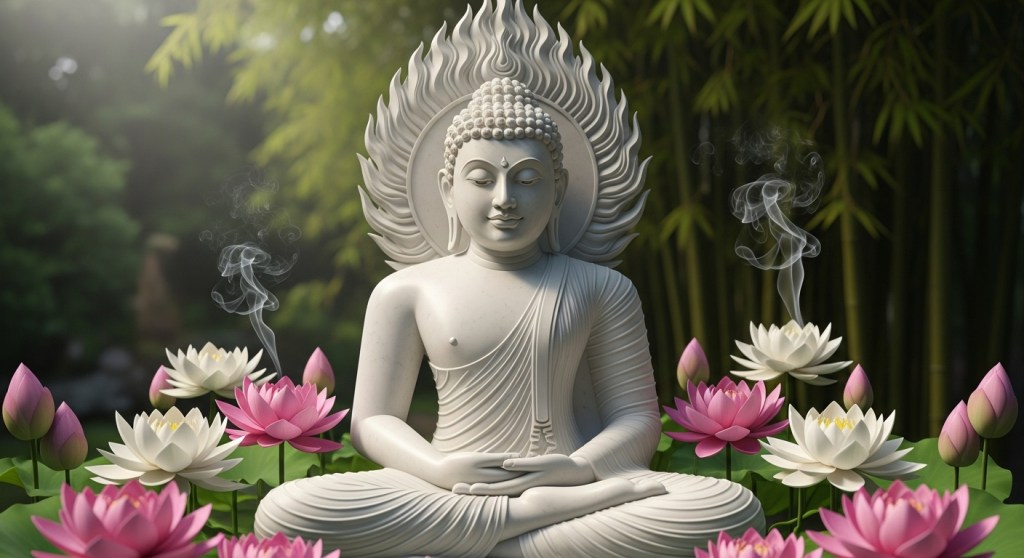
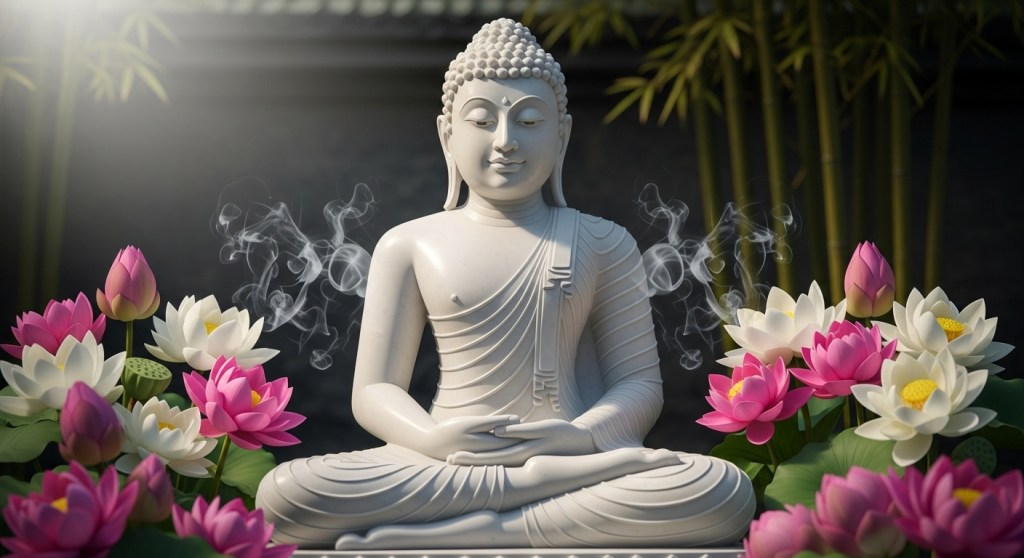
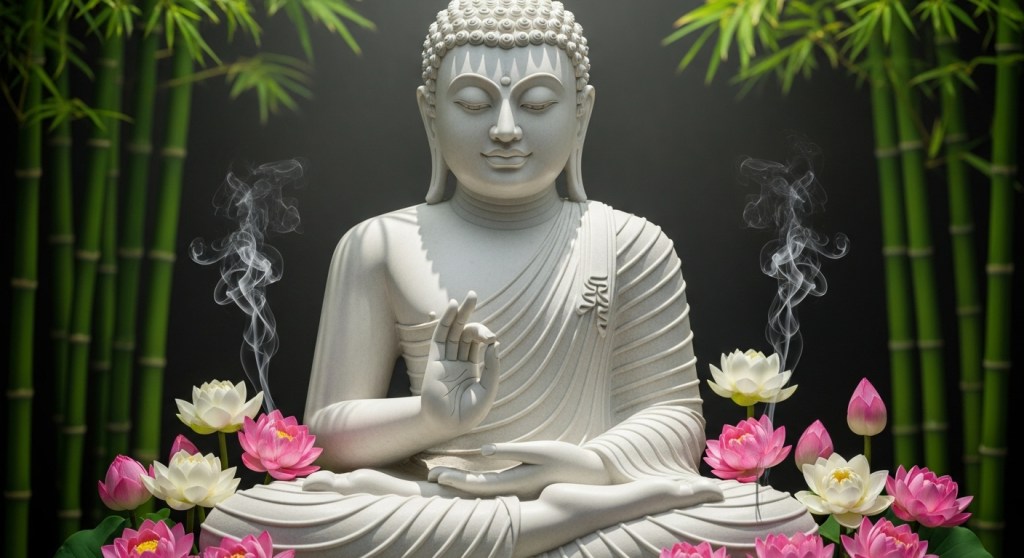
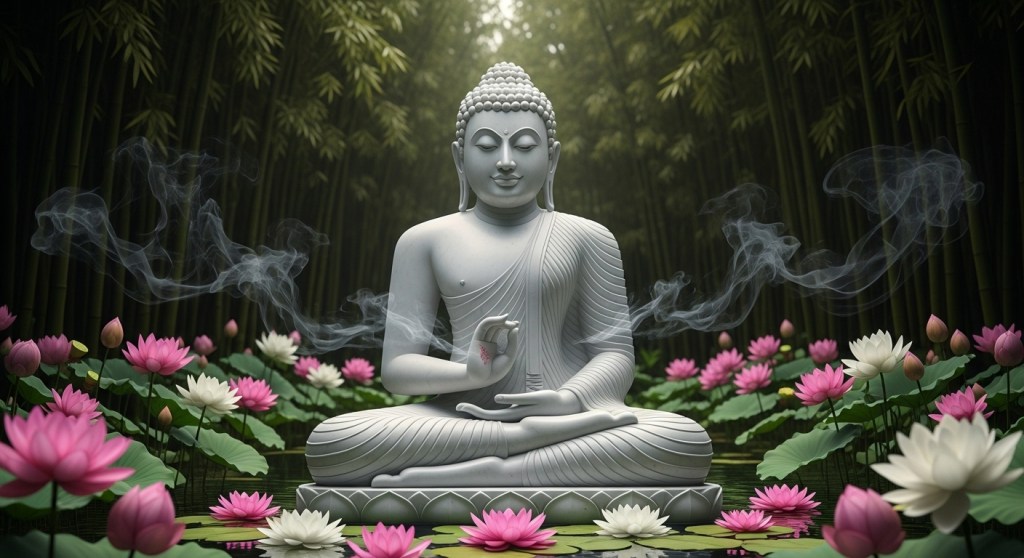
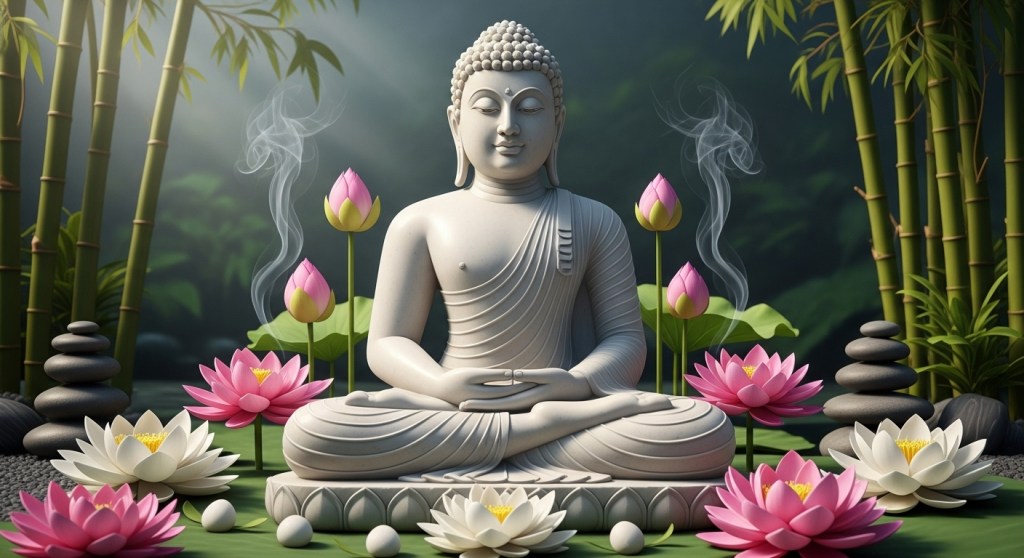
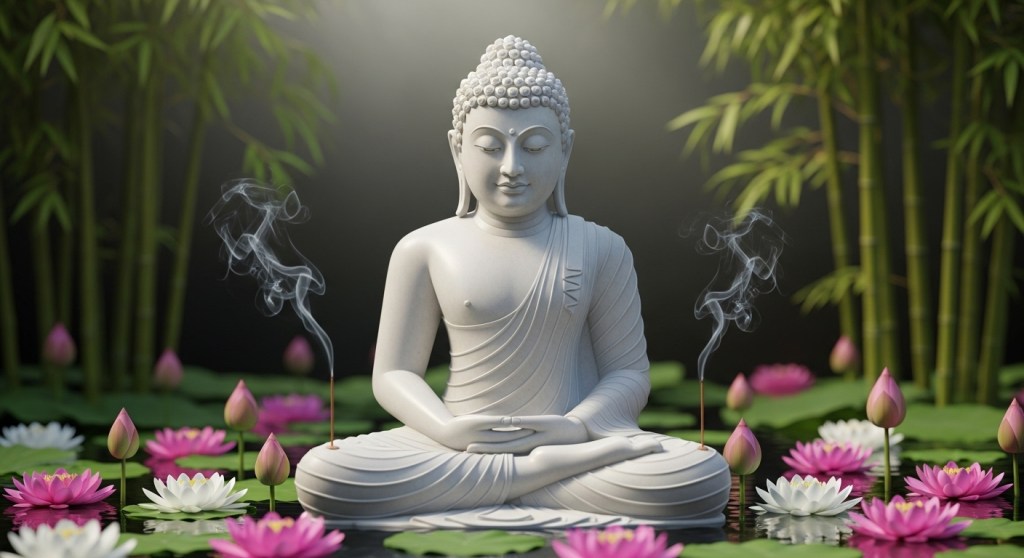
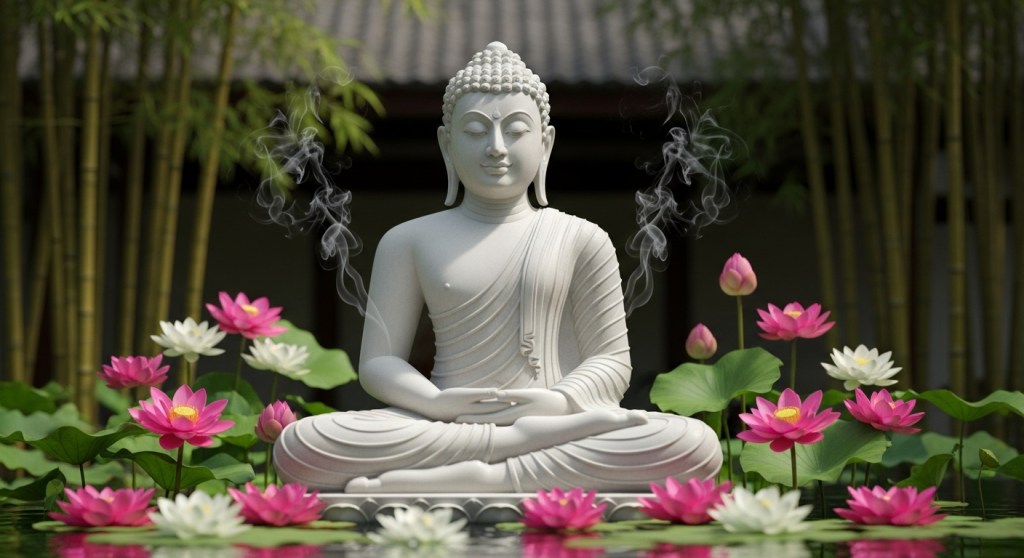
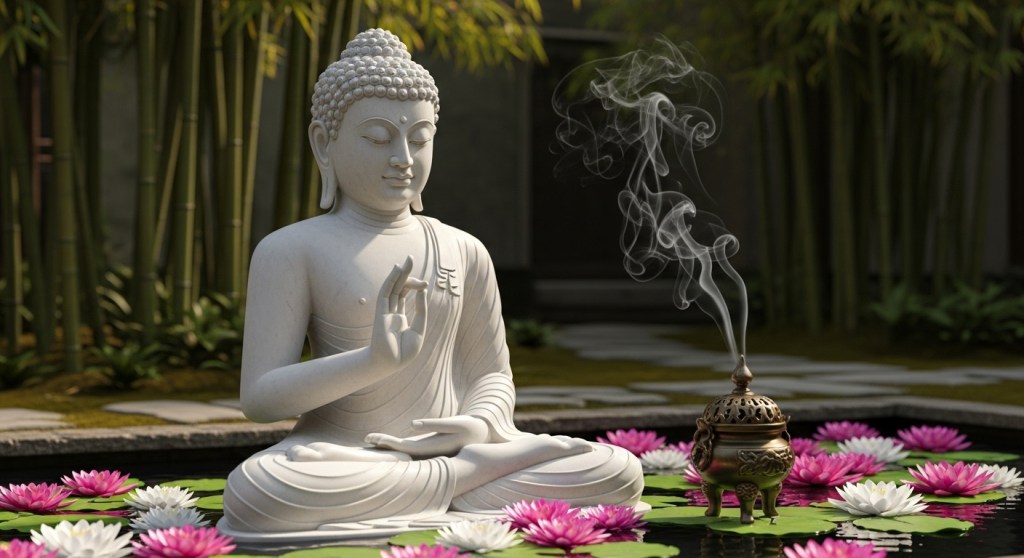
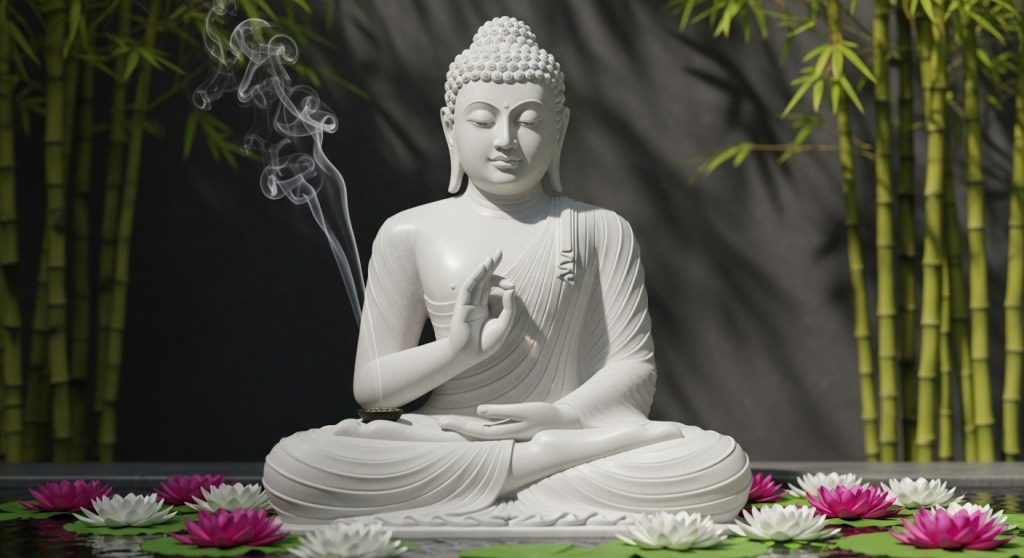
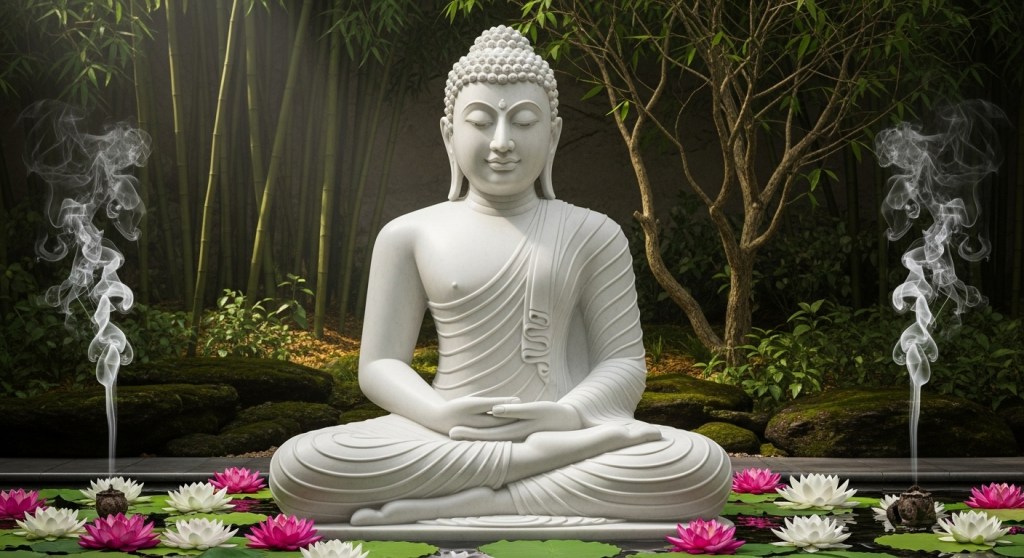
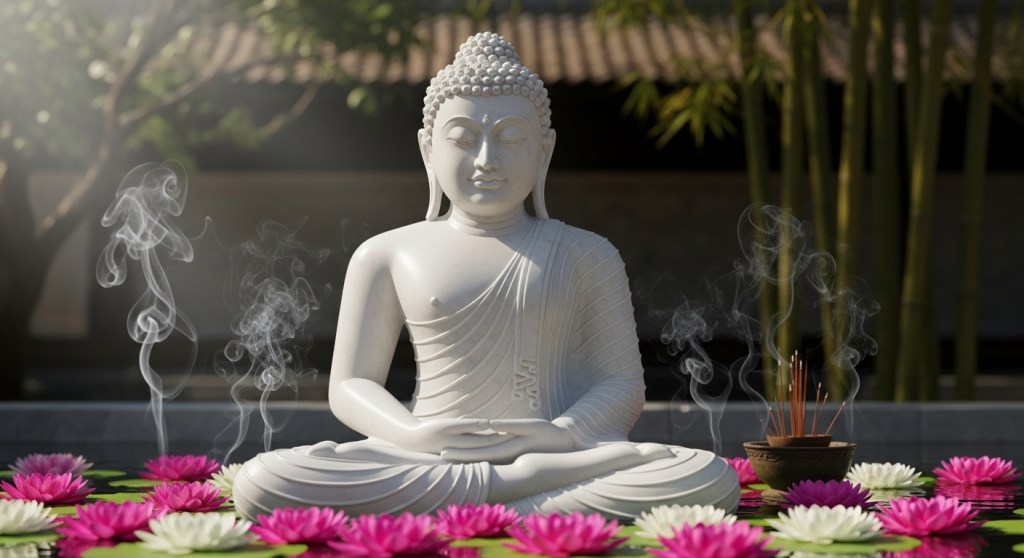
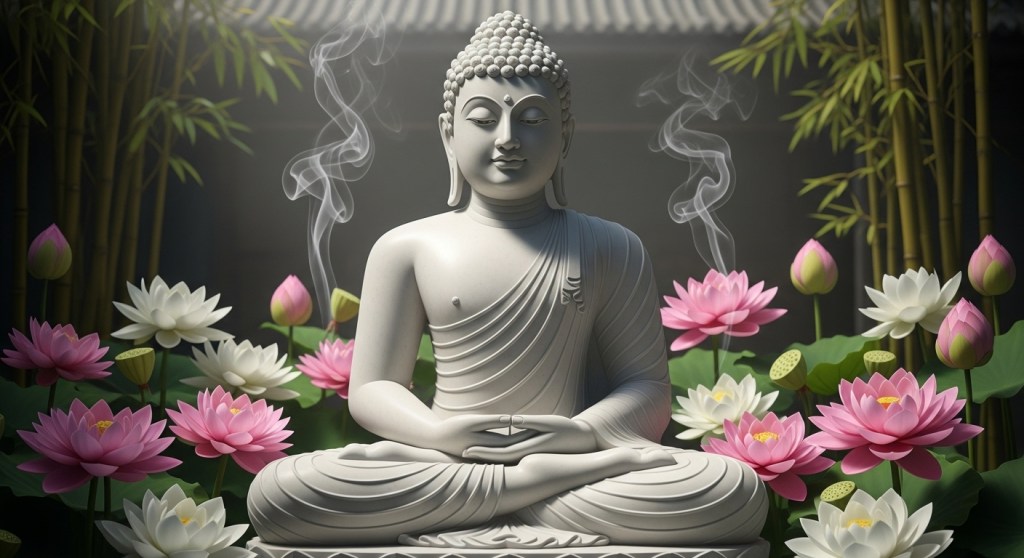
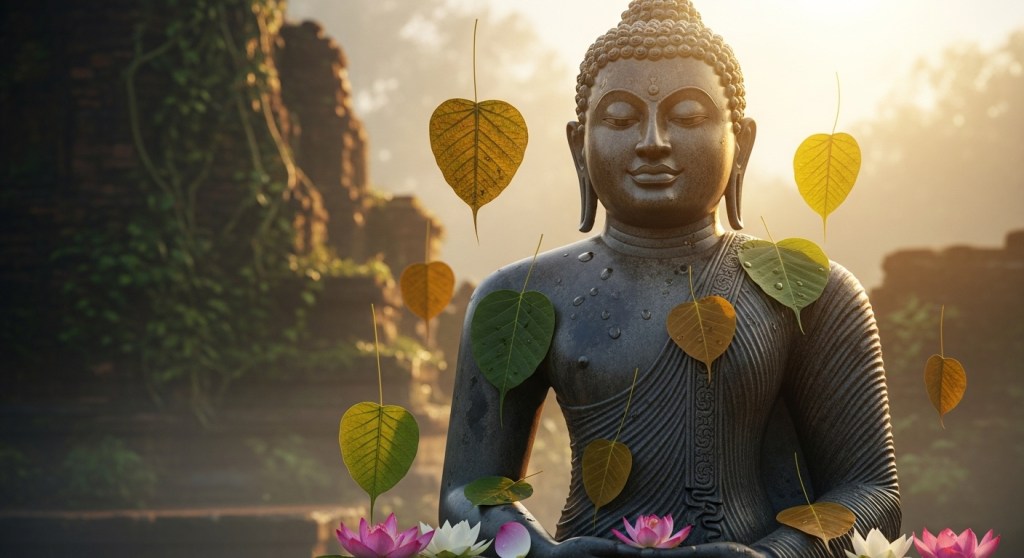
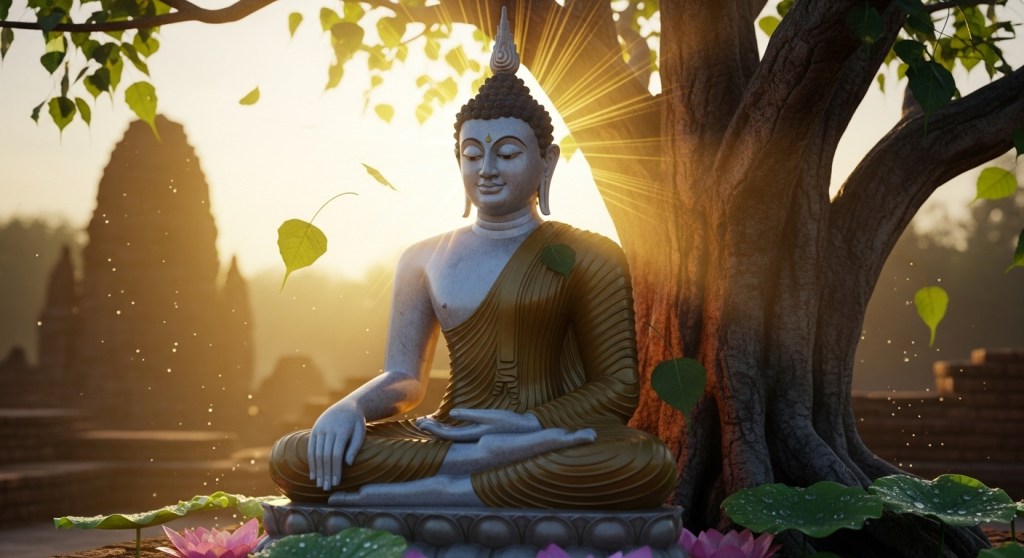
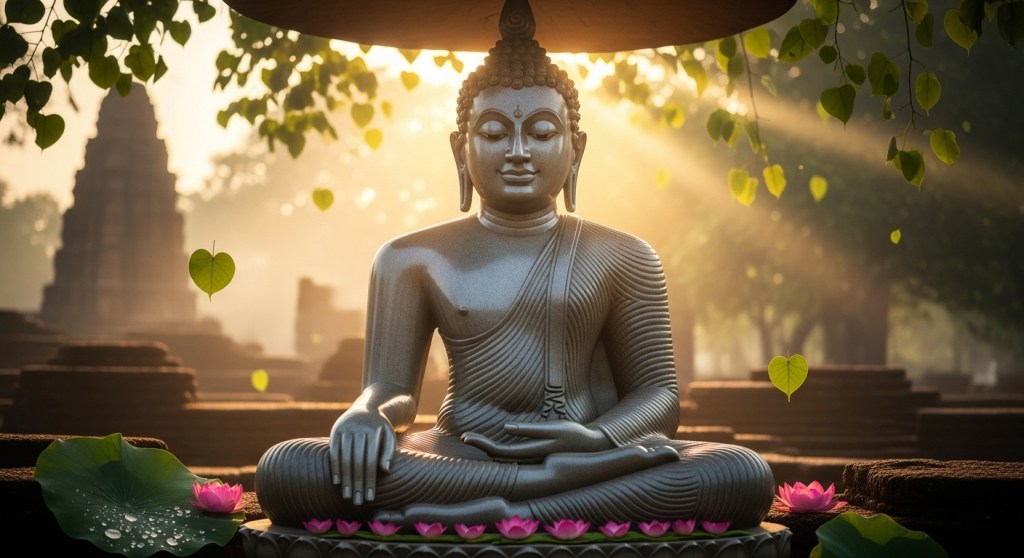
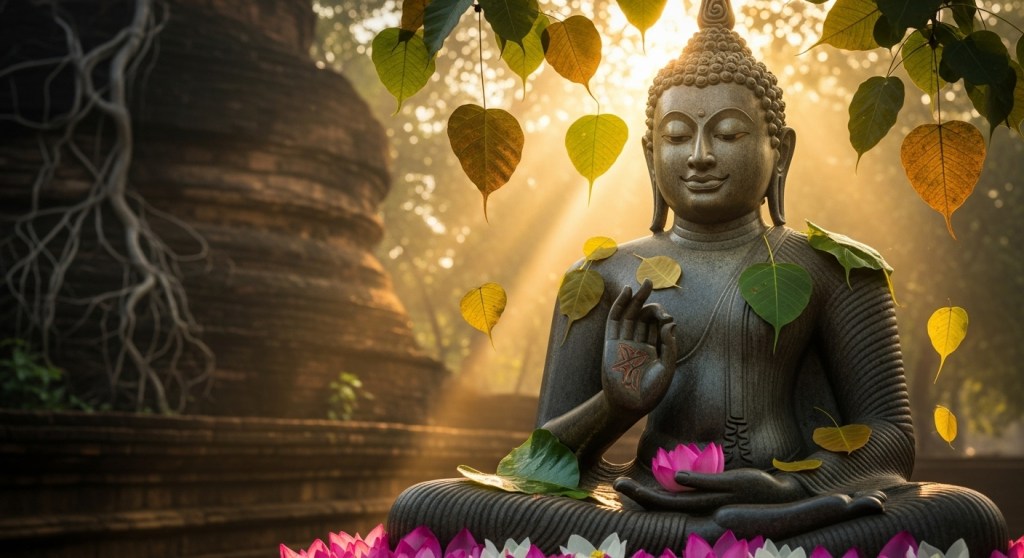
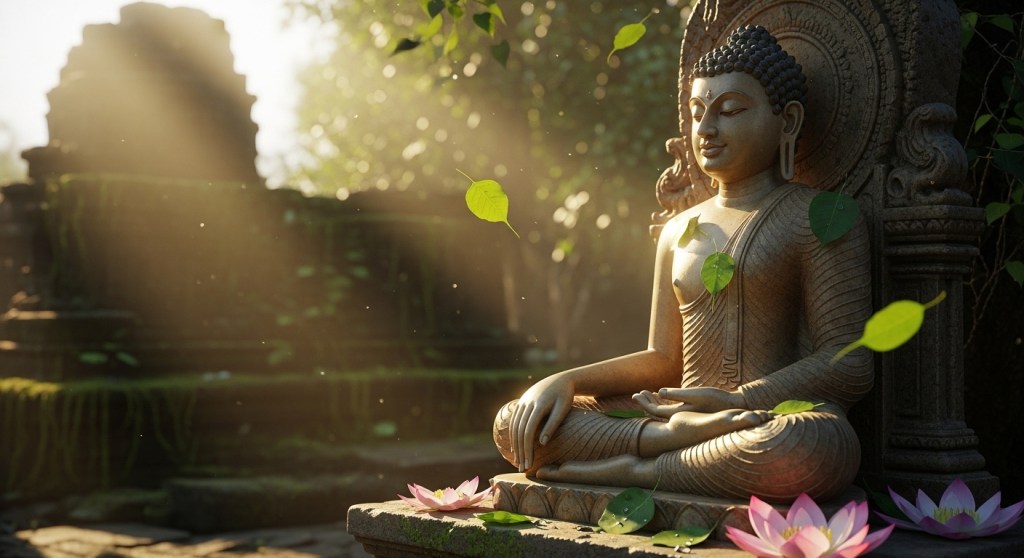
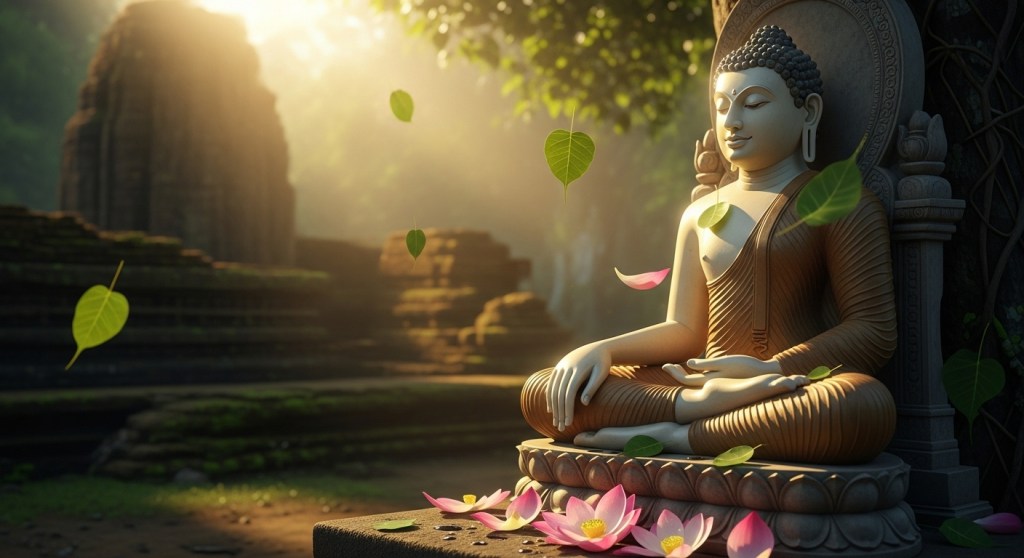
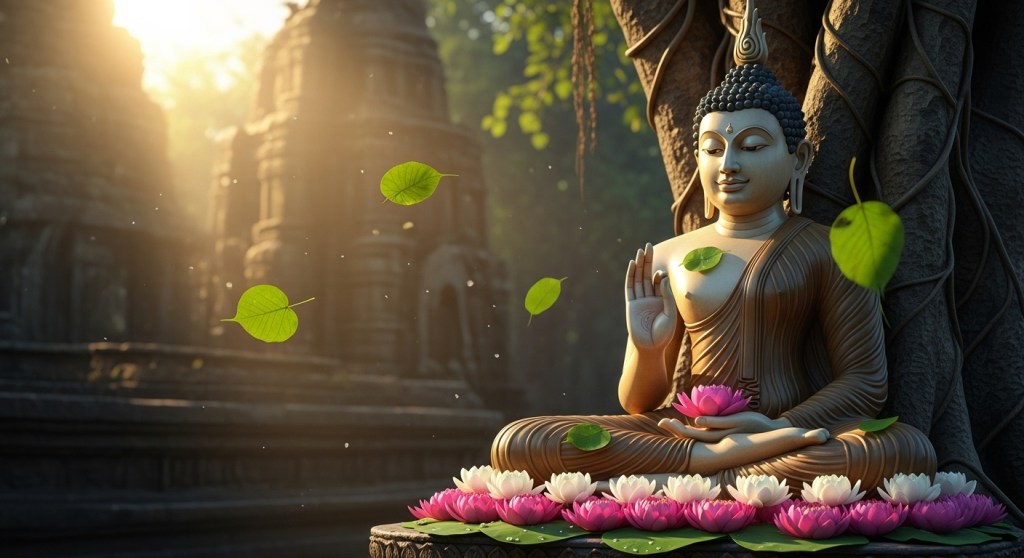
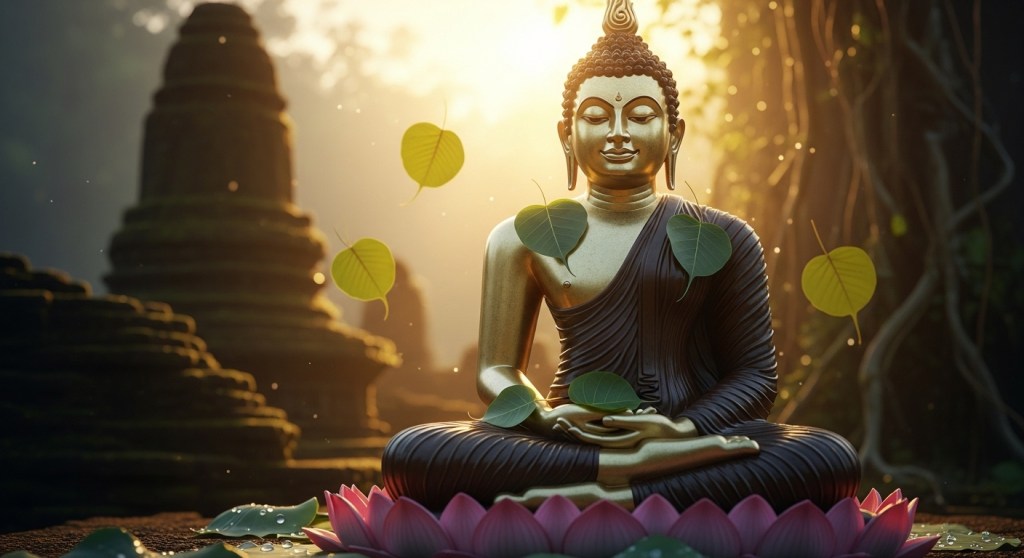
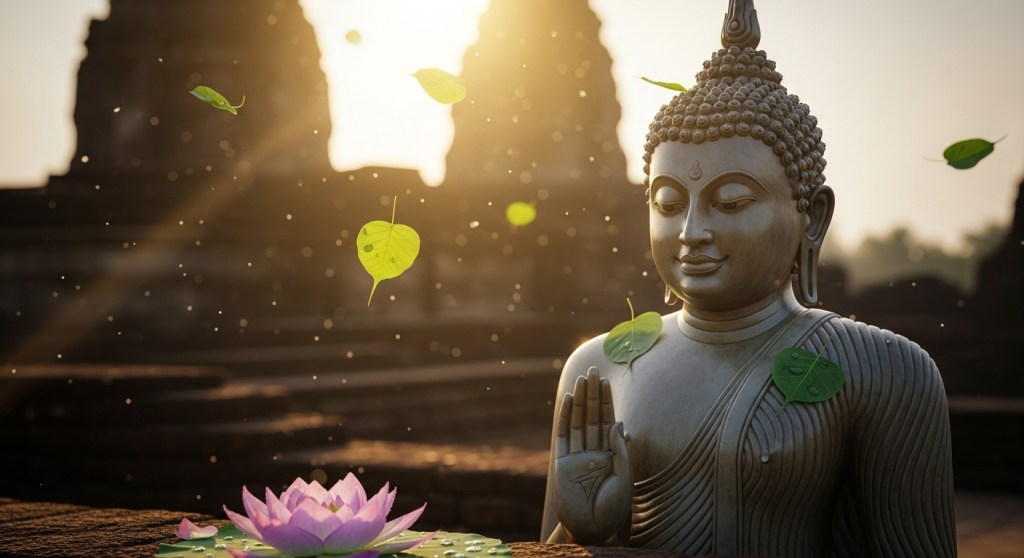
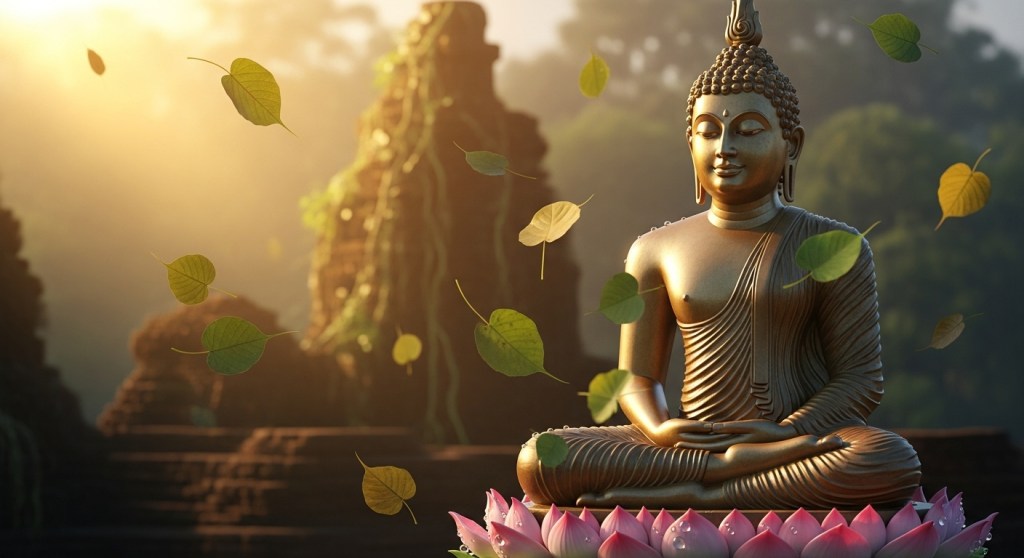
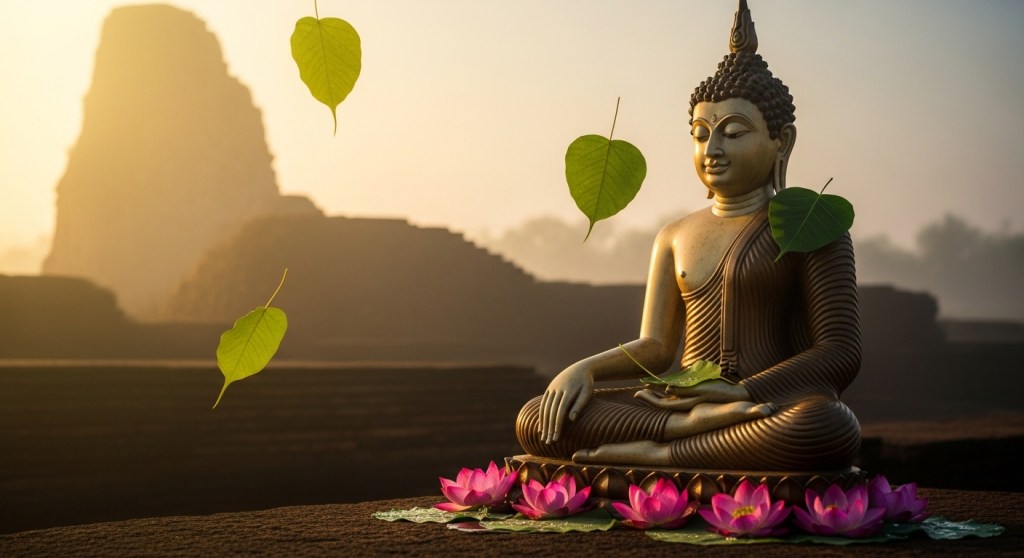
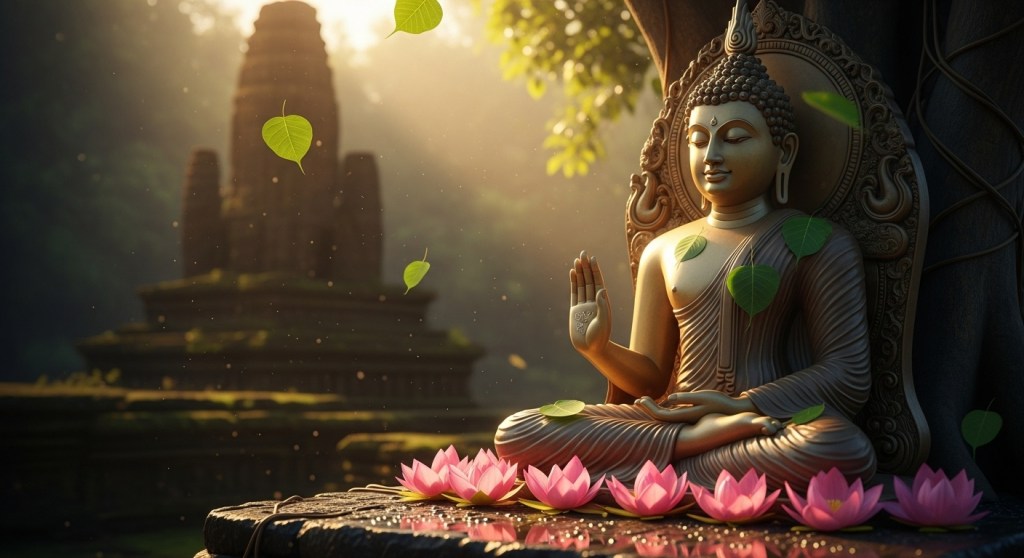
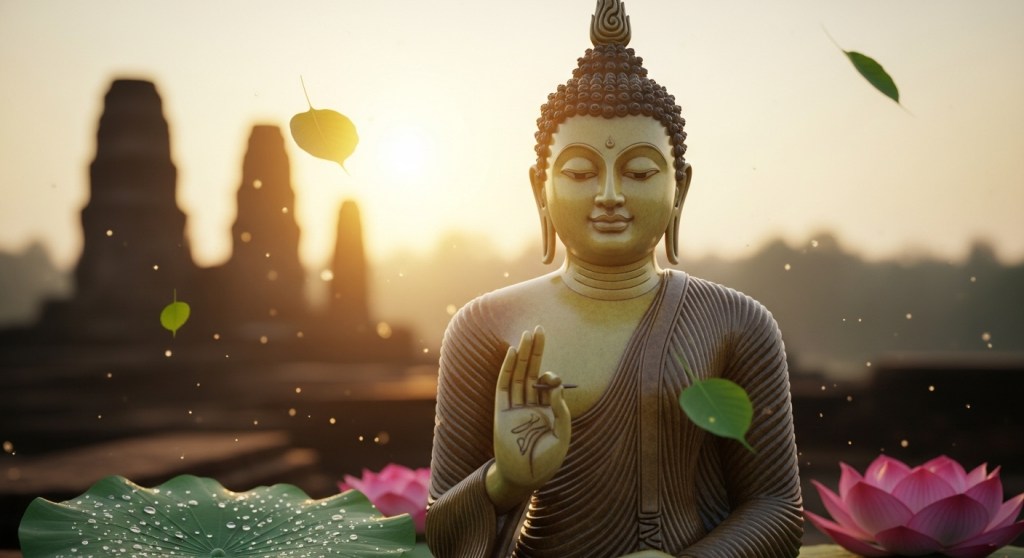
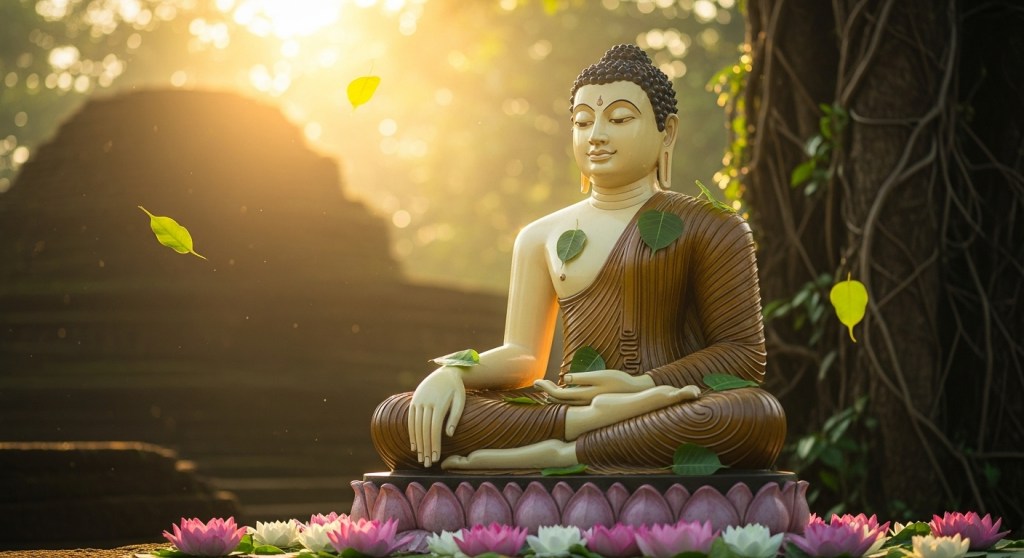
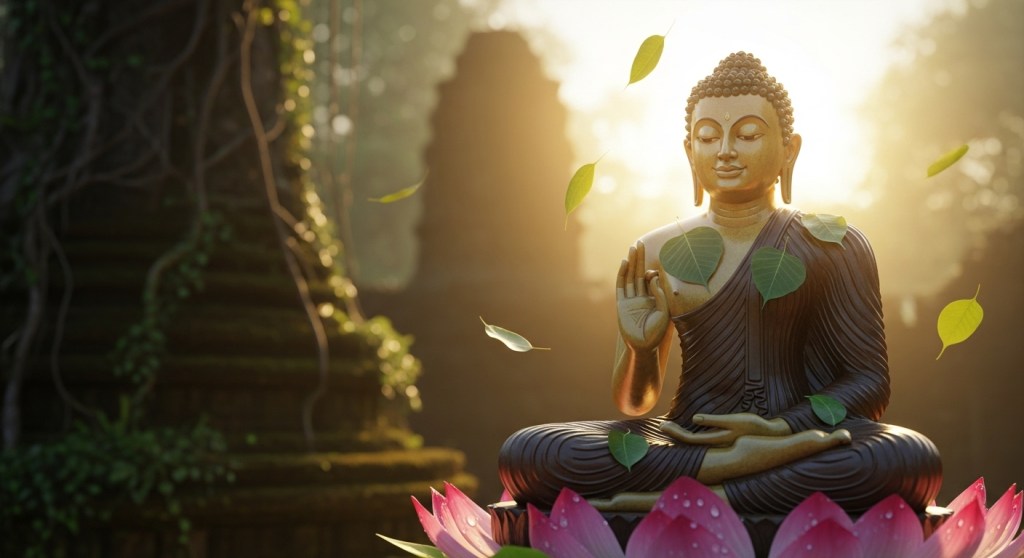
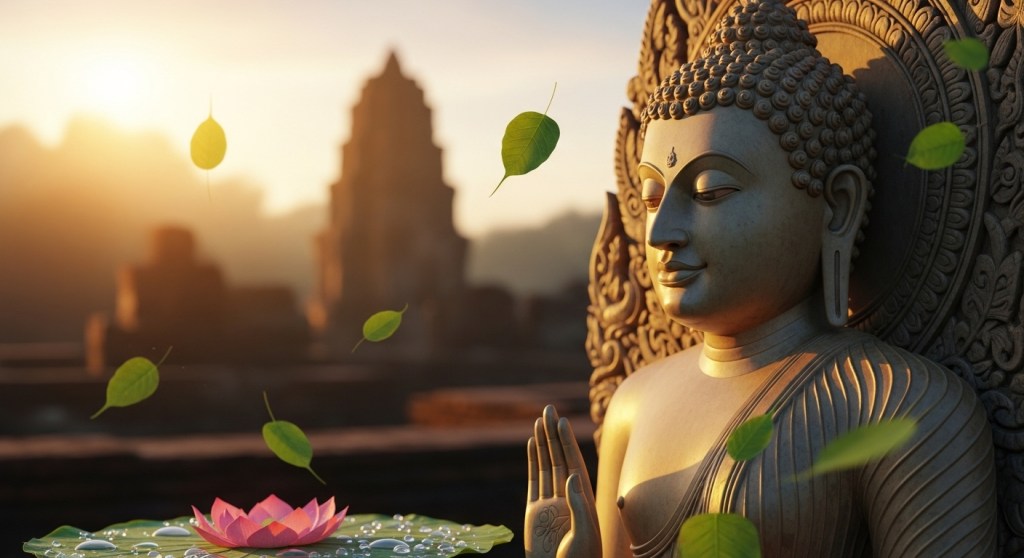
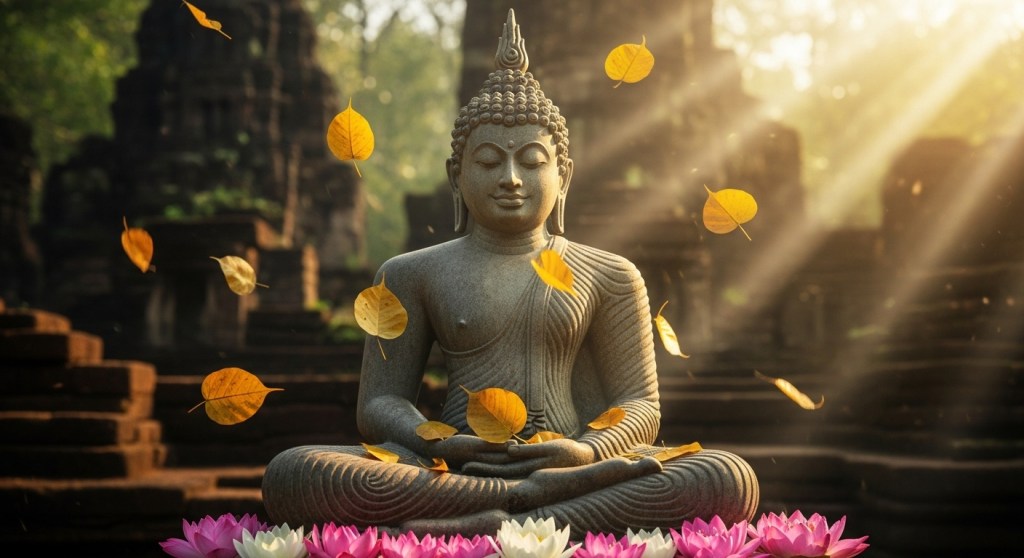
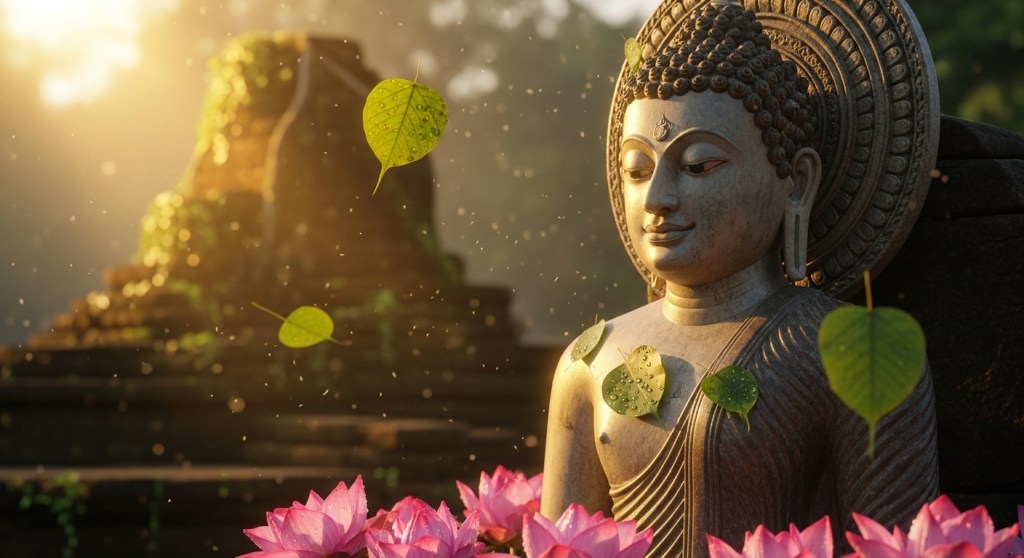
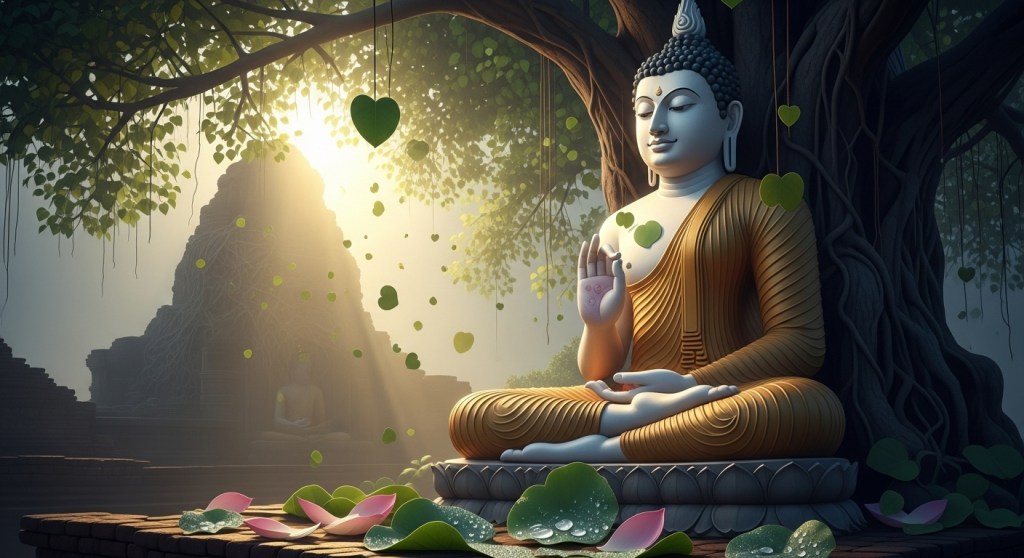
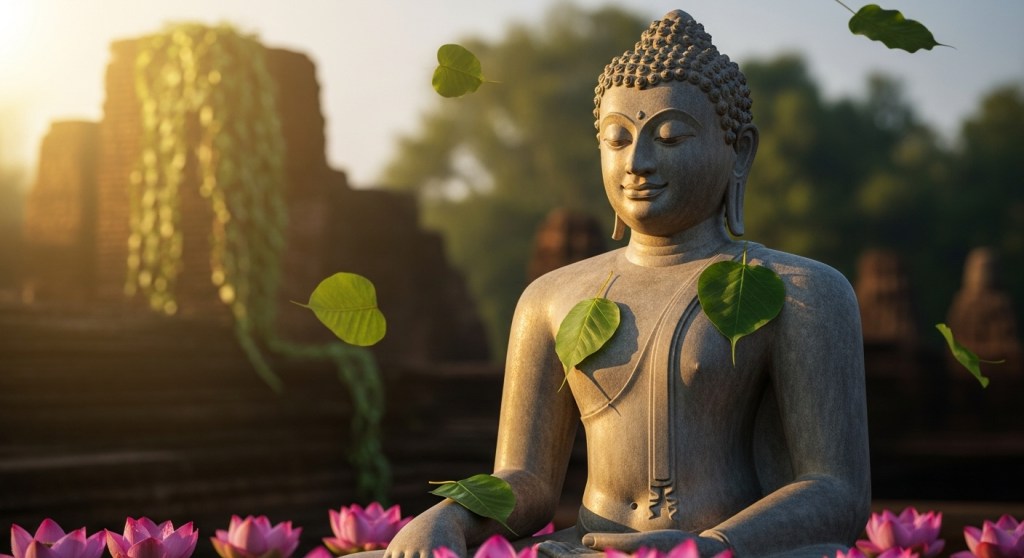
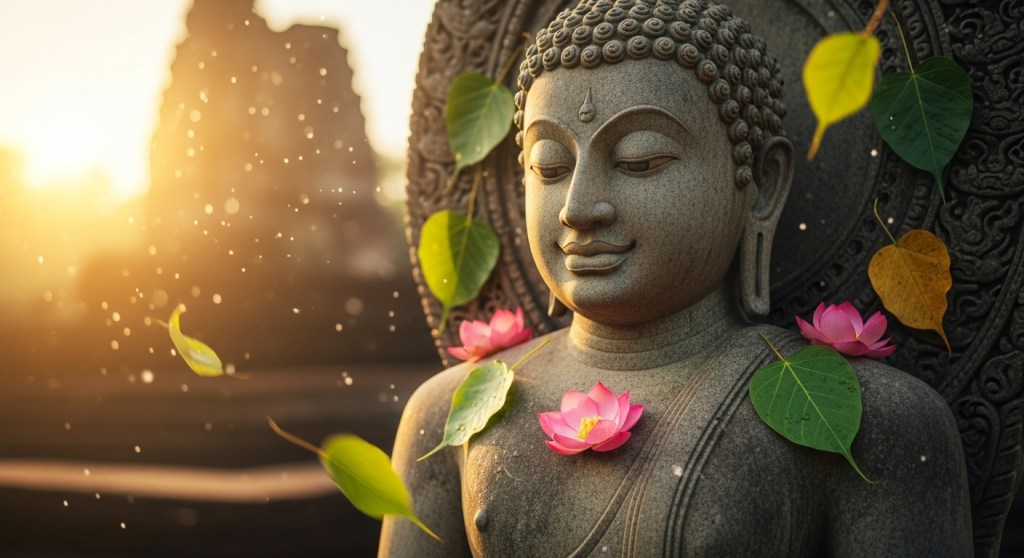
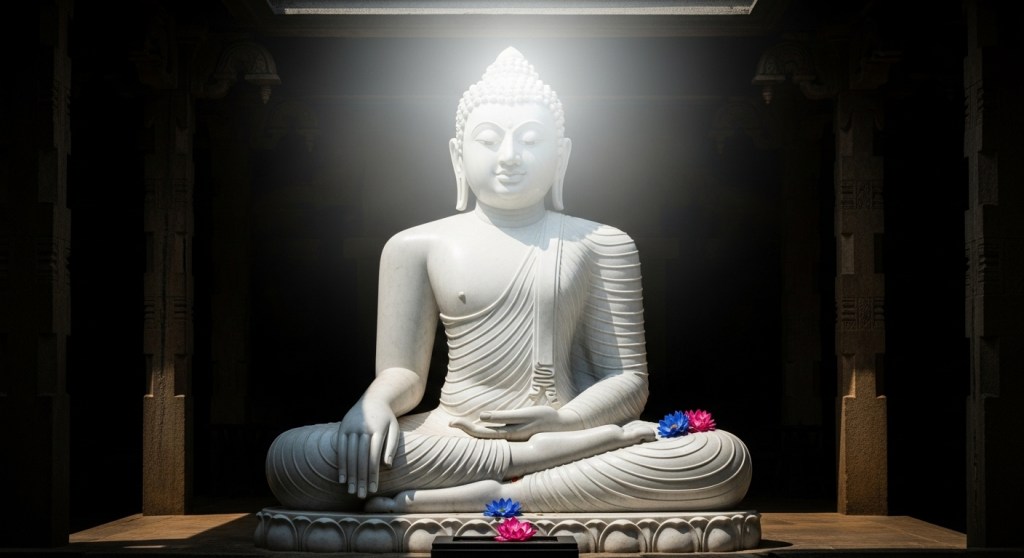
    As you contemplate these sacred Buddha images, reflect honestly:

    “What is my relationship to sexual desire? Can I see both its natural arising and its potential for creating suffering? How might understanding its impermanent nature and investigating its true capacity for lasting fulfillment guide my spiritual development?”

    This honest investigation is the beginning of wisdom.


    The Ultimate Freedom

    Buddha’s Promise

    The Buddha’s teaching offers hope:

    • Complete freedom from sexual craving is possible
    • Higher happiness exists beyond physical pleasure
    • Different paths exist for different temperaments and life circumstances
    • Gradual development allows natural transcendence without forcing

    The Goal

    Whether as householder or renunciant:

    • Freedom from compulsive sexual craving
    • Ethical conduct in all intimate relationships
    • Understanding of desire’s impermanent nature
    • Development of higher sources of fulfillment and joy
    • Ultimate liberation into unconditioned peace

    Sacred Teaching for Mature Understanding

    ๐Ÿ™ Profound Wisdom Offered with Compassion

    These blessed Buddha images represent the possibility of transcending all forms of craving through wisdom and compassion. Completely free to use – no restrictions whatsoever.

    May these images serve:

    • Serious practitioners seeking to understand desire and attachment
    • Teachers needing guidance on discussing sexuality from spiritual perspective
    • Individuals struggling with sexual craving and seeking liberation
    • Couples wanting to integrate spiritual development with intimate relationships
    • Anyone seeking freedom from the suffering inherent in sexual attachment

    Our Sacred Intention: Just as the Buddha taught the path beyond all craving with perfect compassion and understanding, we offer these images as Dana to support the liberation of all beings from the suffering of unfulfilled desire.

    May all beings understand the true nature of sexual desire and find genuine, lasting fulfillment.

    May these sacred images guide seekers toward the supreme happiness that lies beyond all conditioned pleasures.


    “Better than the pleasure of sexual union is the bliss of one who has transcended all desires” – Buddha’s teaching on ultimate satisfaction

    May all beings achieve the supreme freedom of Nirvana, beyond all forms of craving!


    Buddha’s Light GalleryGuiding Beyond All Desires to Perfect Freedom


    #Sexuality #Celibacy #Brahmacharya #SensualDesire #Liberation #Transcendence #Buddha #Craving #Attachment #Nirvana

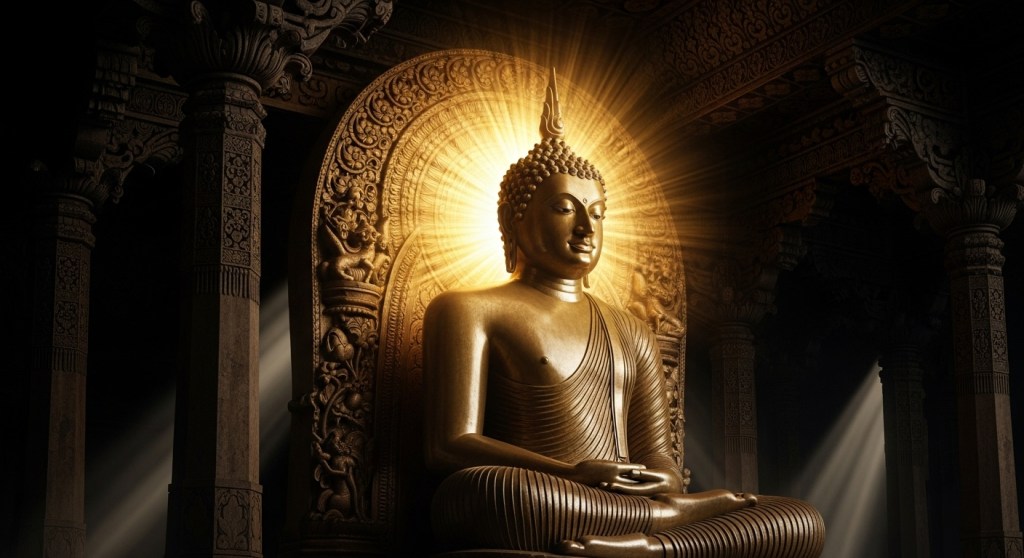
  • Sacred Collection #7 – Understanding How Sensual Desires Are the Root of All Suffering

    The Profound Teaching: Understanding Kama as the Heart of Dukkha

    The Revolutionary Insight

    Most beings see Kama (sensual pleasures) as happiness, satisfaction, and the goal of life. But Lord Buddha’s supreme wisdom revealed the shocking truth:

    Kama itself IS Dukkha – not just the cause of suffering, but suffering itself in disguise.

    This understanding through Prajna (wisdom) is what separates the enlightened from the ordinary person. Seeing this truth clearly is the beginning of liberation.


    What is Kama? – The Five-Fold Sensual Experience

    Kama includes all pleasures of the five senses:

    1. Rupakama (Visual Pleasures)

    • Beautiful forms, attractive appearances
    • Colors, shapes, visual beauty
    • Art, entertainment, spectacles

    2. Saddakama (Auditory Pleasures)

    • Pleasant sounds, music, praise
    • Sweet voices, harmonious melodies
    • Entertainment through hearing

    3. Gandhakama (Olfactory Pleasures)

    • Fragrant scents, perfumes, incense
    • Pleasant smells, aromatic foods
    • All gratification through smell

    4. Rasakama (Gustatory Pleasures)

    • Delicious tastes, fine foods
    • Sweet, sour, spicy, satisfying flavors
    • Culinary pleasures and delicacies

    5. Photthabbakama (Tactile Pleasures)

    • Soft touches, comfortable sensations
    • Physical comfort, sexual pleasure
    • Massage, warmth, pleasant physical contact

    How Kama IS Dukkha – The Four Noble Truths Analysis

    First Noble Truth: Kama as Suffering

    Through Prajna (wisdom), we see that Kama contains inherent suffering:

    1. The Suffering of Pursuit (Pariyesana-dukkha)

    • Endless craving before obtaining the desired object
    • Anxiety and stress while seeking pleasures
    • Competition and conflict with others seeking the same objects
    • Fear of not obtaining what is desired

    2. The Suffering of Protection (Arakkha-dukkha)

    • Constant worry about losing what we’ve gained
    • Jealousy and possessiveness over sensual objects
    • Effort and energy spent maintaining pleasures
    • Insecurity about the temporary nature of satisfaction

    3. The Suffering of Loss (Nasha-dukkha)

    • Grief and disappointment when pleasures end
    • Attachment making separation painful
    • Desperate seeking for replacement pleasures
    • Depression when accustomed pleasures are unavailable

    4. The Suffering of Satiation (Alam-dukkha)

    • Boredom when pleasures become routine
    • Need for novelty and stronger stimulation
    • Diminishing returns – same pleasure gives less satisfaction
    • Addiction patterns requiring more intense experiences

    The Wisdom View: Why Kama Appears as Happiness

    The Great Deception

    Ordinary consciousness mistakes temporary relief from craving for actual happiness:

    What we call “pleasure” is actually:

    • Temporary cessation of wanting – not positive happiness
    • Brief absence of dissatisfaction – not true contentment
    • Momentary fulfillment of craving – not lasting peace
    • Relief from previous discomfort – not genuine joy

    The Analogy of the Poisoned Arrow

    Buddha taught: “It’s like a man shot with an arrow smeared with poison. When the arrow is removed, he feels relief and thinks ‘This is happiness!’ But actually, the natural state without the arrow is what’s normal – the ‘happiness’ was just the absence of artificial pain.”

    Similarly: We create suffering through craving, then mistake the temporary relief as pleasure.


    The Deep Analysis: How Craving Creates the Suffering

    The Vicious Cycle

    1. Contact (Phassa) โ†’ 2. Feeling (Vedana) โ†’ 3. Craving (Tanha) โ†’ 4. Clinging (Upadana) โ†’ 5. Suffering (Dukkha)

    Step-by-Step Breakdown:

    1. Sense Contact: Eye meets beautiful form, ear hears sweet sound, etc.

    2. Feeling Arises: Pleasant, unpleasant, or neutral sensation

    3. Craving Develops: “I want this!” or “I want more!” or “I don’t want this to end!”

    4. Clinging Forms: Mental and emotional attachment to the object

    5. Suffering Results: Because all conditioned things are Anicca (dependently originated), they arise and pass away, causing inevitable disappointment


    The Wisdom of Renunciation

    True Understanding vs. Mere Suppression

    Wrong Approach: Forcefully avoiding sensual pleasures through willpower alone

    • Creates internal conflict
    • Builds up repressed desire
    • Leads to eventual explosion of craving
    • Misses the point entirely

    Right Approach: Seeing through wisdom that kama is inherently unsatisfactory

    • Natural disinterest develops
    • No internal struggle
    • Peaceful letting go
    • Genuine freedom

    The Buddha’s Method

    “Assadaรฑca addinavaรฑca nissaranaรฑca”

    • Assada: See any genuine satisfaction in sensual pleasures
    • Adinava: See the danger and suffering inherent in them
    • Nissarana: See the escape through wisdom and renunciation

    Result: When the dangers clearly outweigh any benefits, natural renunciation occurs.


    Practical Wisdom: How to See Kama as Dukkha

    Investigation Methods

    1. Mindful Observation During Pleasure

    • Notice the craving before, during, and after pleasure
    • Observe the dissatisfaction that remains
    • See the immediate wanting for more or different pleasure
    • Watch the fear of losing the pleasant experience

    2. Analyzing Past Experiences

    • Recall previous intense pleasures – where are they now?
    • Remember the suffering when they ended
    • See the pattern of temporary satisfaction followed by renewed craving
    • Understand the net result – more suffering than happiness

    3. Contemplating Impermanence

    • All pleasures end – this is guaranteed
    • The ending brings suffering proportional to attachment
    • The seeking never ends – there’s always something more wanted
    • No permanent satisfaction is possible through changing conditions

    The Four Types of Beings and Kama

    1. Puthujjana (Ordinary Beings)

    • See kama as happiness and the goal of life
    • Spend entire existence pursuing sensual pleasures
    • Experience the suffering but don’t see it as inherent to kama
    • Blame external circumstances rather than understanding the nature of craving

    2. Sekha (Trainees on the Path)

    • Beginning to see through the deception of kama
    • Practicing gradual renunciation with wisdom
    • Still occasionally attracted but understanding the suffering involved
    • Developing detachment through direct insight

    3. Asekha (Arahants)

    • Completely see through the illusion of sensual pleasure
    • Natural, effortless disinterest in kama
    • Perfect understanding of kama as suffering
    • Complete freedom from sensual craving

    4. Pacceka-Buddha and Samma-Sambuddha

    • Supreme understanding of kama’s nature
    • Ability to teach others this profound truth
    • Perfect example of liberation from sensual bondage

    The Positive Result: What Replaces Kama

    When Kama is Transcended Through Wisdom

    What emerges is not emptiness but:

    1. Jhanic Bliss – Happiness independent of external conditions 2. Mudita – Joy in others’ happiness without possessiveness
    3. Karuna – Compassion free from attachment 4. Upekkha – Perfect equanimity transcending pleasure and pain 5. Nirvanic Peace – Ultimate satisfaction beyond all conditioned experiences

    The Supreme Happiness

    Buddha declared: “There is no happiness greater than Nirvana” – the complete transcendence of all craving, including sensual craving.


    Meditation Contemplation

    As you contemplate these sacred Buddha images, investigate honestly:

    “What am I really seeking through sensual pleasures? Have they ever given me lasting satisfaction? What would it be like to be completely free from needing them? Can I see that the craving itself is the source of suffering?”

    This direct investigation is the path to freedom.


    The Practical Path

    Gradual Development

    1. Recognition Stage: Begin seeing kama as containing suffering 2. Investigation Stage: Deeply analyze your relationship with sensual pleasures
    3. Detachment Stage: Natural disinterest develops through understanding 4. Transcendence Stage: Complete freedom from sensual craving 5. Liberation Stage: Establishment in happiness beyond all conditions

    Daily Practice

    • Before seeking pleasure: Ask “What am I really looking for?”
    • During pleasure: Notice the craving mind and the impermanent nature
    • After pleasure: Observe the renewed wanting and dissatisfaction
    • Throughout: Cultivate contentment independent of external conditions

    Sacred Liberation Teaching

    ๐Ÿ™ Wisdom Freely Offered for True Freedom

    These blessed Buddha images represent complete liberation from the deception of sensual pleasure. Absolutely free to use – no copyright restrictions.

    May these images serve:

    • Practitioners seeing through the illusion of kama
    • Teachers explaining the suffering inherent in sensual pursuit
    • Students learning to find happiness beyond external conditions
    • Anyone ready to understand Buddha’s revolutionary insight
    • All beings trapped in endless cycles of sensual craving

    Our Sacred Purpose: Just as the Buddha revealed the suffering hidden within apparent pleasure, we offer these images as Dana to guide beings toward genuine, lasting happiness.

    May seeing kama as dukkha free you from endless cycles of craving.

    May these sacred images inspire you to seek the supreme happiness that lies beyond all sensual experience.


    “Kama hi loke madhura rupa, ettha esฤ tanha jฤti vaddhamana” “Sensual pleasures in the world seem sweet and pleasant, but here craving arises and grows”

    May all beings see through the deception of kama and achieve the supreme bliss of Nirvana!


    Buddha’s Light GallerySeeing Through the Illusion of Sensual Happiness


    #Kama #SensualDesire #Suffering #Renunciation #Buddha #Wisdom #Liberation #Craving #Attachment #Freedom #FreeImages #Nirvana #Detachment #TrueHappiness #BeyondPleasure

  • Sacred Collection #6 – Understanding True Spiritual Development Beyond Merit-Making

    The Profound Teaching: Understanding Punya and Kushala

    A Critical Distinction Often Misunderstood

    Most people confuse Punya (merit) with Kushala (wholesome action), thinking they are the same. This fundamental misunderstanding keeps countless beings trapped in samsara, believing they are progressing spiritually when they are merely accumulating temporary pleasant experiences.

    Your profound insight reveals the true difference:


    PUNYA (Merit/Pin) – The Joy of Good Deeds

    Definition

    Punya is the happiness and joy (preeti) that arises from performing good deeds. It is the pleasant feeling-state that comes from virtuous actions.

    Characteristics of Punya:

    • Immediate gratification – feels good right away
    • Temporary happiness – gives pleasant experiences
    • Emotional satisfaction – creates joy and pride
    • Social recognition – brings praise and admiration
    • Karmic rewards – leads to favorable rebirths

    Examples of Punya-Creating Actions:

    • Dana (generosity) – giving food, money, gifts
    • Temple building and religious donations
    • Helping others in distress
    • Caring for parents and family
    • Acts of kindness and compassion
    • Religious ceremonies and rituals

    The Limitation of Punya:

    While punya creates temporary happiness, it does NOT eliminate the root causes of suffering. The three poisons (raga, dosa, moha) remain intact. The person enjoys pleasant experiences but stays bound to samsara.

    Punya is like taking pain medicine – it makes you feel better temporarily, but doesn’t cure the underlying disease.


    KUSHALA (Wholesome/Skillful Action) – The Power of Purification

    Definition

    Kushala is the spiritual energy (shakti) that arises from eliminating raga (greed), dvesha (hatred), moha (delusion), and the ashavas (mental corruptions). It is the transformative power that actually destroys the causes of suffering.

    Characteristics of Kushala:

    • Eliminates mental defilements – actually destroys the poisons
    • Develops spiritual energy – increases inner power
    • Transforms consciousness – changes the mind fundamentally
    • Progresses toward liberation – leads directly to Nirvana
    • Transcends karma – eventually goes beyond cause and effect

    Examples of Kushala Actions:

    • Vipassana meditation – seeing reality as it truly is
    • Mindful observation of the arising and passing of phenomena
    • Elimination of sensual craving through understanding
    • Overcoming anger through loving-kindness and wisdom
    • Destroying ignorance through right understanding
    • Practicing renunciation – letting go of attachments

    The Power of Kushala:

    Kushala actions systematically eliminate the causes of suffering. Each moment of kushala reduces the three poisons and increases spiritual liberation. This is the actual path to Nirvana.

    Kushala is like taking medicine that actually cures the disease – it eliminates the cause of the problem permanently.


    The Profound Difference Illustrated

    A Wealthy Devotee’s Story:

    Punya Approach: A rich person builds a magnificent temple, feeds thousands of monks, gives millions to charity. He feels tremendous joy, receives praise, accumulates vast merit. His next life might be as a wealthy king or deva. But the three poisons remain untouched.

    Kushala Approach:
    A poor person sits quietly in meditation, observes the arising of anger and lets it pass without reaction, sees through the illusion of permanent self, gradually eliminates craving for sensual pleasures. No external recognition, no immediate pleasure. But the actual causes of suffering are being destroyed.

    The Result:

    • Punya practitioner: Experiences temporary heavenly states but eventually returns to suffering
    • Kushala practitioner: Progresses steadily toward permanent liberation from all suffering

    Why This Distinction Matters

    The Spiritual Trap

    Many sincere practitioners get trapped in punya-seeking because:

    • It feels immediately rewarding
    • Society praises and encourages it
    • It seems easier than the inner work
    • It provides social status and religious identity
    • It gives a sense of spiritual progress

    The Real Path

    Kushala often involves:

    • Difficult inner work with no immediate rewards
    • Facing uncomfortable truths about oneself
    • Letting go of things we enjoy
    • Social misunderstanding – others may not appreciate it
    • Gradual, invisible progress toward liberation

    Buddha’s Revolutionary Teaching

    The Buddha was revolutionary because he pointed beyond merit-making to actual liberation:

    Traditional Religious Approach:

    “Do good deeds, make merit, go to heaven”

    Buddha’s Approach:

    “Eliminate the causes of suffering completely and achieve Nirvana”

    Buddha taught: “Better than a thousand meaningless verses is one word of Dharma that brings peace” – meaning one moment of kushala is worth more than lifetimes of punya.


    The Integration

    Buddha’s Middle Way:

    The Buddha didn’t reject punya but placed it in proper perspective:

    1. Foundation Stage: Punya creates good conditions for spiritual practice
    2. Development Stage: Gradually shift focus from external merit to internal purification
    3. Transcendence Stage: Pure kushala leading directly to liberation

    The Wise Approach:

    • Use punya as a stepping stone and preparation
    • Gradually emphasize kushala as the main practice
    • Understand that only kushala leads to actual freedom

    Practical Application

    Recognizing Punya:

    Ask yourself: “Does this action make me feel good about myself? Does it give me joy and satisfaction? Does it enhance my reputation?”

    Recognizing Kushala:

    Ask yourself: “Does this action eliminate my greed, anger, or delusion? Does it increase my understanding of reality? Does it reduce my attachments?”

    The Balanced Path:

    • Practice dana (generosity) but without attachment to the pleasant feelings
    • Do good deeds while observing the arising of pride or satisfaction
    • Use punya actions as opportunities for kushala development
    • Gradually shift from seeking merit to seeking purification

    Meditation Contemplation

    As you contemplate these sacred Buddha images, reflect deeply:

    “What am I really seeking – temporary happiness through good deeds, or permanent liberation through elimination of the causes of suffering? Am I satisfied with pleasant experiences, or do I truly want to be free?”

    This honest self-examination is itself kushala.


    The Ultimate Goal

    Beyond Both Punya and Akushala:

    The highest teaching reveals that the enlightened being transcends both:

    • Punya (merit) – creates pleasant karma
    • Papa (demerit) – creates unpleasant karma
    • Pure Kushala – gradually eliminates karma itself

    Final Liberation: When all karma is exhausted and the causes of rebirth are eliminated, the arahant achieves Parinirvana – complete freedom from all conditioned existence.


    Sacred Teaching Offering

    ๐Ÿ™ Wisdom Freely Given for True Liberation

    These blessed Buddha images embody the profound difference between temporary merit and permanent liberation. Completely free to use – no restrictions whatsoever.

    May these images serve:

    • Serious practitioners seeking actual liberation
    • Teachers explaining the difference between merit and wisdom
    • Students learning to distinguish spiritual progress from spiritual entertainment
    • Anyone ready to move beyond merit-making to purification
    • All beings confused about the true path to freedom

    Our Sacred Commitment: Just as the Buddha taught the difference between temporary happiness and permanent liberation, we offer these images as Dana to guide beings toward actual freedom.

    May understanding Punya vs Kushala redirect your spiritual efforts toward true liberation.

    May these sacred images inspire you to seek not just merit, but the complete elimination of all causes of suffering.


    “Na hi punnena nibbanam, kusala-karma-kkhayena nibbanan” “Not through merit is Nirvana achieved, but through the destruction of karma by wholesome action”

    May all beings understand this profound difference and achieve complete liberation through pure kushala!


    Buddha’s Light GalleryGuiding Beyond Merit to Liberation


    #Punya #Kushala #Merit #WholesomeAction #Liberation #BeyondMerit #Purification #Buddha #Dharma #SpiritualDevelopment #FreeImages #TrueProgress #Wisdom #Nirvana #MentalDefilements

  • Sacred Collection #5 – Pancaupadanakkhandha: The Foundation of All Dukkha

    The Profound Teaching: Pancaupadanakkhandha – The Heart of All Suffering

    The Revolutionary Understanding

    Lord Buddha’s supreme insight revealed that what we commonly call “self” or “person” is actually a collection of five aggregates of clinging (Pancaupadanakkhandha). Understanding these aggregates correctly is crucial because, as your profound teaching reveals:

    “The Five Aggregates of Clinging themselves ARE suffering” – not just the cause of suffering, but suffering itself.

    This is the deepest level of the First Noble Truth.


    The Five Aggregates Explained

    1. Rupa (Form/Matter)

    The physical body and all material phenomena:

    • The four great elements: earth, water, fire, air
    • The physical body with its organs and functions
    • All external material objects we interact with

    The Truth: Form arises through dependent origination – it has no independent, permanent existence.

    2. Vedana (Feelings/Sensations)

    The basic feeling tones that accompany all experiences:

    • Sukha-vedana (pleasant feelings)
    • Dukkha-vedana (unpleasant feelings)
    • Upekkha-vedana (neutral feelings)

    The Truth: These feelings arise and pass away based on contact (phassa) and are conditioned by past karma.

    3. Sangna (Perception/Recognition)

    The mental function that recognizes and identifies objects:

    • Visual, auditory, tactile, taste, smell, and mental perceptions
    • The process of recognizing “this is a tree,” “this is pleasant,” etc.
    • Memory and conceptual recognition

    The Truth: Perception is conditioned by past experiences and mental formations – it doesn’t reveal ultimate reality.

    4. Sankhara (Mental Formations/Volitional Activities)

    All mental factors that shape our experience:

    • Cetana (volition/intention)
    • Emotions, mental states, and psychological reactions
    • Karma-creating mental activities
    • All conditioned mental phenomena except consciousness

    The Truth: These formations are the engines of karma that perpetuate rebirth and suffering.

    5. Vingnana (Consciousness)

    The basic knowing or awareness function:

    • Six types: eye, ear, nose, tongue, body, and mind consciousness
    • The fundamental awareness that knows objects
    • Not a permanent soul, but a stream of momentary knowing events

    The Truth: Consciousness arises dependently and changes from moment to moment – it is not a permanent self.


    Why They Are Called “Upadanakkhandha” (Aggregates of CLINGING)

    The crucial word is “Upadana” (clinging/grasping). These aggregates become the source of suffering when we:

    1. Cling to them as “I” or “mine”
    2. Grasp them as permanent and substantial
    3. Identify our sense of self with them
    4. Resist their natural arising and passing away

    The Four Types of Clinging:

    • Kamupadana – clinging to sensual pleasures
    • Ditthupadana – clinging to wrong views
    • Silabbatupadana – clinging to rituals and vows
    • Attavadupadana – clinging to self-theories

    The Connection to Anichcha, Dukkha, Anaththa

    As revealed in your profound understanding:

    Anichcha (Dependent Origination)

    The five aggregates arise through causes and conditions:

    • Causes: Ignorance, craving, karma, four nutriments
    • Process: They arise when causes are present, cease when causes are removed
    • Truth: “Hetum paticca sambhutam – Hetu bhanga nirujjhati”

    Dukkha (Inherent Unsatisfactoriness)

    The aggregates are “dukkha-skandha” – masses of suffering because:

    • They are subject to jara-maranam (aging and death)
    • They bring soka-parideva-dukkha-domanassa-upayasa (sorrow, lamentation, pain, grief, despair)
    • They are constantly arising and passing away

    Anaththa (Essence-less)

    “Anaththang asarakattena” – The aggregates are without essence because:

    • No unchanging atma (self) can be found within them
    • Nothing that can be grasped as “mine” permanently
    • No permanent core that transmigrates from life to life

    The Practical Investigation

    The Buddha taught the five-fold investigation of each aggregate:

    For each aggregate, examine:

    1. What is it? (nature)
    2. How does it arise? (origin)
    3. How does it pass away? (cessation)
    4. What is the gratification in it? (assada)
    5. What is the danger in it? (adinava)
    6. What is the escape from it? (nissarana)

    The Liberating Conclusion: “This is not mine, this am I not, this is not my self” (N’etam mama, n’eso’ham asmi, na me so atta)


    The Path to Freedom

    Seeing Through the Illusion

    When we investigate deeply, we discover:

    • No permanent self can be found in the aggregates
    • No controller exists separate from the processes
    • No essence remains constant through change
    • All suffering comes from clinging to these empty processes

    The Liberation

    When clinging to the five aggregates ceases:

    • Upadanakkhandha becomes mere khandha (aggregates without clinging)
    • The suffering aspect dissolves
    • Freedom from birth and death is achieved
    • Nirvana is realized

    The Scientific Approach

    This is not philosophy but practical investigation:

    Method: Direct mindful observation of your experience right now Object: The five aggregates as they arise and pass away Goal: Clear seeing of their conditioned, essence-less nature Result: Complete freedom from clinging and suffering


    The Deep Connection to Ultimate Truth

    Understanding the five aggregates connects directly to:

    Dependent Origination

    • Nama-rupa (name-form) = the five aggregates
    • They arise through the twelve-link chain
    • They cease when the root causes are eliminated

    Four Noble Truths

    • First Truth: The five aggregates of clinging ARE suffering
    • Second Truth: Clinging to aggregates causes suffering
    • Third Truth: When clinging ceases, suffering ceases
    • Fourth Truth: The Eightfold Path eliminates clinging

    Meditation Contemplation

    As you contemplate these sacred Buddha images, investigate directly:

    “Right now, what am I experiencing? Can I identify the five aggregates operating? Where is the ‘I’ that experiences them? What happens when I stop clinging to them as ‘mine’?”

    This moment-to-moment investigation is the path to liberation.


    The Ultimate Realization

    The profound truth the Buddha discovered:

    What we call “self” is nothing but five heaps of clinging to impersonal, conditioned processes. When clinging stops, suffering stops. When suffering stops, perfect peace remains.

    This is not annihilation – this is the deathless element (amata dhatu) that remains when all fabricated existence ceases.


    Sacred Liberation Offering

    ๐Ÿ™ Freely Given for Universal Understanding

    These blessed Buddha images embody the wisdom that liberates from the illusion of selfhood. Absolutely free to use – no copyright restrictions.

    May these images serve:

    • Serious practitioners investigating the aggregates
    • Meditation teachers explaining the nature of self
    • Students seeking to understand Buddhist psychology
    • Anyone ready to see through the illusion of permanent selfhood
    • All beings clinging to false identities

    Our Sacred Dedication: Just as the Buddha revealed these profound truths freely, we offer these images as Dana for the liberation of all beings from the suffering of clinging.

    May understanding the five aggregates free you from the illusion of selfhood.

    May these sacred images guide you to the direct realization of Anatta and the perfect peace of Nirvana.


    “Rupam aniccam, vedana anicca, sanna anicca, sankhara anicca, vinnanam aniccam” “Form is dependently originated, feeling is dependently originated, perception is dependently originated, mental formations are dependently originated, consciousness is dependently originated”

    May all beings see through the five aggregates of clinging and achieve complete liberation!


    Buddha’s Light GallerySeeing Through the Illusion of Self


    #FiveAggregates #Pancakkhandha #Anatta #BuddhistPsychology #Clinging #Liberation #NoSelf #Meditation #Buddha #Dharma #FreeImages #Suffering #Understanding #Wisdom #Investigation

  • Sacred Collection #4 – Understanding Paticchasamuppada: The Key to Liberation

    The Most Profound Teaching: Paticchasamuppada – Dependent Origination

    The Revolutionary Discovery

    When Prince Siddhartha sat beneath the Bodhi tree, the most profound realization that led to his Supreme Enlightenment was Paticchasamuppada – the law of Dependent Origination. This is not merely a philosophy, but the fundamental operating principle of all existence.

    “One who sees Dependent Origination sees the Dharma; one who sees the Dharma sees Dependent Origination”Buddha’s own words

    The Essential Formula

    The Buddha revealed the universal law governing all conditioned existence:

    Sanskrit/Pali: “Itiแนƒ imasmiแนƒ sati idaแนƒ hoti – imassupฤdฤ idaแนƒ uppajjati” “Itiแนƒ imasmiแนƒ asati idaแนƒ na hoti – imassa nirodhฤ idaแนƒ nirujjhati”

    English: “When this exists, that comes to be – with the arising of this, that arises” “When this does not exist, that does not come to be – with the cessation of this, that ceases”

    This is the scientific law of causation that governs everything – from the arising of a single thought to the creation and destruction of entire universes.


    Understanding Anicca Through Dependent Origination

    As revealed in your profound teaching, Anicca does not mean “impermanent” – this is a fundamental misunderstanding.

    Anicca means: “Hetum paticca sambhutam – Hetu bhanga nirujjhati”

    • “What arises due to causes – ceases when causes are destroyed”

    This is the law of dependent origination itself:

    • Udaya (arising) = Paticchasamuppada’s forward sequence (Anuloma)
    • Vaya (passing away) = Paticchasamuppada’s reverse sequence (Patiloma)

    Therefore, seeing Anicca is seeing Dependent Origination. Understanding this profound truth is the key that unlocks liberation.


    The Twelve Links of Existence

    The Buddha revealed how suffering perpetuates through twelve interconnected links:

    Forward Sequence (Anuloma) – How Suffering Arises:

    1. Avijja (Ignorance) โ†’ 2. Sankhara (Mental Formations)
    2. Sankhara โ†’ 3. Vinnana (Consciousness)
    3. Vinnana โ†’ 4. Nama-rupa (Name and Form)
    4. Nama-rupa โ†’ 5. Salayatana (Six Sense Bases)
    5. Salayatana โ†’ 6. Phassa (Contact)
    6. Phassa โ†’ 7. Vedana (Feeling)
    7. Vedana โ†’ 8. Tanha (Craving)
    8. Tanha โ†’ 9. Upadana (Clinging)
    9. Upadana โ†’ 10. Bhava (Becoming)
    10. Bhava โ†’ 11. Jati (Birth)
    11. Jti โ†’ 12. Jara-maranam (Aging and Death)

    Reverse Sequence (Patiloma) – How Liberation Occurs:

    When Ignorance ceases โ†’ Mental Formations cease When Mental Formations cease โ†’ Consciousness ceases …continuing in reverse until… When Birth ceases โ†’ Aging and Death cease

    This is how Nirvana is achieved – by breaking the chain at its root.


    The Two Root Causes

    Your teaching reveals the profound truth that bhava-kamma (existence-creating karma) builds through two primary roots:

    1. Avijja Mula (Root of Ignorance)

    The fundamental not-knowing of:

    • The Four Noble Truths
    • The Three Characteristics (correctly understood)
    • The law of Dependent Origination itself

    2. Tanha Mula (Root of Craving)

    The insatiable thirst that manifests as:

    • Kama-tanha (craving for sensual pleasures)
    • Bhava-tanha (craving for existence)
    • Vibhava-tanha (craving for non-existence)

    Ignorance feeds craving; craving feeds ignorance. The primary root is Ignorance – when this is completely eliminated, the entire chain collapses.


    The Three Ways to See Ultimate Truth

    As your profound understanding reveals, the same Ultimate Truth can be seen through three approaches:

    1. As Truth (Satyya-vasena)

    The Four Noble Truths – showing suffering and its complete cessation

    2. As Characteristics (Lakshana-vasena)

    The Three Marks – Anicca (dependent origination), Dukkha (inherent unsatisfactoriness), Anatta (essence-lessness)

    3. As Law (Dhamma-vasena)

    Dependent Origination – the causal process underlying all conditioned existence

    These are not separate teachings but three ways of understanding the single reality that leads to liberation.


    The Profound Realization

    The Buddha’s revolutionary insight: “Yam kinchi samudaya dhammam – sabbattam nirodha dhammam”

    “Whatever has the characteristic of arising – all that has the characteristic of cessation”

    This means:

    • Every conditioned thing can be stopped
    • Suffering is not inevitable
    • The Five Aggregates of Clinging can cease to arise
    • Complete liberation is scientifically possible

    The Practical Application

    Understanding Dependent Origination is not intellectual exercise but practical methodology:

    For Liberation: Eliminate the causes (especially Ignorance and Craving) and the effects (suffering) automatically cease.

    For Wisdom: See how everything arises through causes and conditions – nothing exists independently.

    For Compassion: Understanding that all beings suffer due to ignorance generates natural compassion.


    Meditation Contemplation

    As you contemplate these sacred Buddha images, reflect on this liberating understanding:

    “When ignorance is completely destroyed through perfect wisdom, the entire chain of suffering collapses. This is not theory – this is the practical science of liberation that the Buddha discovered and countless beings have verified.”

    Question for deep reflection: What causes are operating in your life right now that create suffering? Can you see how removing those causes would eliminate the suffering?


    The Ultimate Promise

    Dependent Origination reveals the most hopeful truth possible:

    Because everything arises through causes, everything can be changed by changing the causes.

    Your suffering is not permanent, not inevitable, not punishment – it is simply the result of causes that can be identified and eliminated.

    This is the path to perfect freedom.


    Sacred Offering of Wisdom

    ๐Ÿ™ Given Freely for Universal Liberation

    These blessed Buddha images embody the profound wisdom of Dependent Origination. Completely free to use – no restrictions whatsoever.

    May these images serve:

    • Students of profound Dharma seeking true understanding
    • Meditation practitioners contemplating causation
    • Teachers sharing the deepest Buddhist wisdom
    • All beings ready to understand the science of liberation
    • Anyone seeking to break free from the chain of suffering

    Our Sacred Intention: Just as the Buddha freely shared this supreme wisdom, we offer these images as Dana for the liberation of all sentient beings.

    May understanding Dependent Origination illuminate your path to Nirvana.

    May these sacred images remind you that liberation is not only possible but inevitable when the right causes are cultivated.


    “Ye dhamma hetuppabhava tesam hetum tathagato aha” “Of all phenomena arising from causes, the Tathagata has explained their cause”

    May all beings understand this profound law and achieve complete liberation from all suffering!


    Buddha’s Light GalleryIlluminating the Causal Nature of All Existence


    #DependentOrigination #Paticchasamuppada #Buddha #TwelveFold #Causation #Liberation #Anicca #Dharma #ProfoundWisdom #FreeImages #Enlightenment #Nirvana #BuddhistPhilosophy #Meditation

  • Sacred Collection #3 – The Middle Way to Perfect Enlightenment

    The Sacred Teaching: The Noble Eightfold Path – The Complete Method for Liberation

    The Middle Way

    Before revealing the Eightfold Path, Lord Buddha discovered the profound Middle Way – avoiding the extremes of:

    • Indulgence in sensual pleasures (kama-sukhallikanu-yoga)
    • Severe asceticism and self-mortification (atta-kilamatha-anu-yoga)

    This Middle Way is the Noble Eightfold Path itself – the complete and perfect method for achieving liberation from all suffering.


    THE THREEFOLD TRAINING

    The Eightfold Path encompasses three essential aspects of spiritual development:

    I. WISDOM (PRAGNA) – The Foundation of Liberation

    1. Right Understanding (Samma-Ditthi) The correct comprehension of reality as taught by the Buddha:

    • Understanding the Four Noble Truths
    • Seeing the Three Characteristics (Anicca, Dukkha, Anatta)
    • Comprehending Dependent Origination (Paticchasamuppada)
    • Recognizing the law of Karma and Rebirth

    “One who sees Dependent Origination sees the Dharma; one who sees the Dharma sees Dependent Origination”

    2. Right Intention (Samma-Sankappa) The mental attitude and motivation that guides spiritual practice:

    • Renunciation (nekkhamma) – turning away from sensual craving
    • Loving-kindness (metta) – goodwill toward all beings
    • Harmlessness (ahimsa) – compassion and non-violence

    II. ETHICAL CONDUCT (SEELA) – The Purification of Actions

    3. Right Speech (Samma-Vacha) Purifying verbal communication by avoiding:

    • False speech – lies and deception
    • Divisive speech – creating conflict between people
    • Harsh speech – cruel and hurtful words
    • Idle chatter – meaningless gossip and frivolous talk

    Instead, speaking truthfully, harmoniously, gently, and meaningfully.

    4. Right Action (Samma-Kammanta) Ethical physical conduct by abstaining from:

    • Killing any living being
    • Stealing or taking what is not given
    • Sexual misconduct – adultery and harmful sexual behavior

    Instead, protecting life, practicing generosity, and maintaining sexual purity.

    5. Right Livelihood (Samma-Ajiva) Earning one’s living through ethical means, avoiding:

    • Trading in weapons
    • Trading in living beings (slavery)
    • Trading in meat (butchery)
    • Trading in alcohol and intoxicants
    • Trading in poison

    Instead, choosing occupations that do not harm others.

    III. MENTAL CULTIVATION (SAMADHI) – The Development of Mind

    6. Right Effort (Samma-Vayama) The balanced and persistent energy applied to spiritual practice:

    • Preventing unwholesome states from arising
    • Abandoning unwholesome states that have arisen
    • Cultivating wholesome states not yet arisen
    • Maintaining wholesome states that have arisen

    “Energy is the root of all attainments”

    7. Right Mindfulness (Samma-Sati) The clear, non-judgmental awareness of present-moment experience:

    • Mindfulness of Body (kayanupassana) – awareness of physical sensations
    • Mindfulness of Feelings (vedananupassana) – awareness of pleasant/unpleasant feelings
    • Mindfulness of Mind (cittanupassana) – awareness of mental states
    • Mindfulness of Mental Objects (dhammanupassana) – awareness of thoughts and concepts

    8. Right Concentration (Samma-Samadhi) The development of focused, tranquil, and unified mind through:

    • First Jhana – joy and bliss born of seclusion
    • Second Jhana – joy and bliss born of concentration
    • Third Jhana – contentment beyond joy
    • Fourth Jhana – perfect equanimity and pure awareness

    The Integrated Path

    These eight factors are not sequential steps but simultaneous aspects of spiritual development. Like the spokes of a wheel, each supports and strengthens the others:

    • Wisdom guides ethical conduct and mental cultivation
    • Ethical conduct creates the foundation for wisdom and concentration
    • Mental cultivation develops the clarity needed for wisdom and ethical sensitivity

    The Revolutionary Promise

    What makes this path revolutionary is Buddha’s guarantee:

    “This Noble Eightfold Path is the only way for the purification of beings, for overcoming sorrow and lamentation, for destroying pain and grief, for reaching the right path, for realizing Nirvana.”

    This is not theory but practical science – a method that has been tested and verified by countless practitioners across 2,500 years.


    The Ultimate Goal

    The Eightfold Path leads to the complete cessation of suffering through the elimination of:

    • Greed (lobha)
    • Hatred (dosa)
    • Delusion (moha)

    When these three poisons are completely uprooted, what remains is the unconditioned peace of Nirvana – beyond birth and death, beyond all suffering.


    Meditation Reflection

    As you contemplate these sacred Buddha images, reflect on this eternal truth:

    “Better than ruling over the entire earth, better than going to heaven, better than being lord over all the worlds, is the fruit of reaching the stream of enlightenment.”

    The path is before you. The method is complete. The goal is achievable.

    Will you walk this path today?


    The Living Dharma

    These sacred images represent not just historical Buddha, but the eternal possibility within each of us to achieve perfect enlightenment. Every step on this Eightfold Path brings us closer to the ultimate freedom.

    Remember: You have everything you need to be liberated in this very life.


    Sacred Gift to Humanity

    ๐Ÿ™ Freely Given with Infinite Merit

    These blessed Buddha images are our Dana (gift) to all seekers of truth. Complete freedom to use – no copyright restrictions whatsoever.

    May these images serve:

    • Meditation practitioners seeking inspiration
    • Teachers sharing the Buddha’s wisdom
    • Temples and meditation centers worldwide
    • Anyone walking the path to liberation
    • All beings yearning for freedom from suffering

    Our Sacred Vow: We offer these images with the same generosity that Buddha offered his teachings – freely, without reservation, for the benefit of all sentient beings.

    May the merit of this offering support your journey on the Noble Eightfold Path.

    May these sacred images remind you that liberation is possible, enlightenment is achievable, and Nirvana is within reach.


    “Appamado Amatapadam” (Mindfulness is the path to the Deathless)

    May all beings follow this Noble Path and achieve the supreme bliss of perfect enlightenment!


    Buddha’s Light GalleryYour Companion on the Path to Liberation


    #NobleEightfoldPath #MiddleWay #Buddha #Enlightenment #Liberation #Nirvana #Meditation #Buddhism #Dharma #SacredPath #FreeImages #Wisdom #Ethics #Concentration
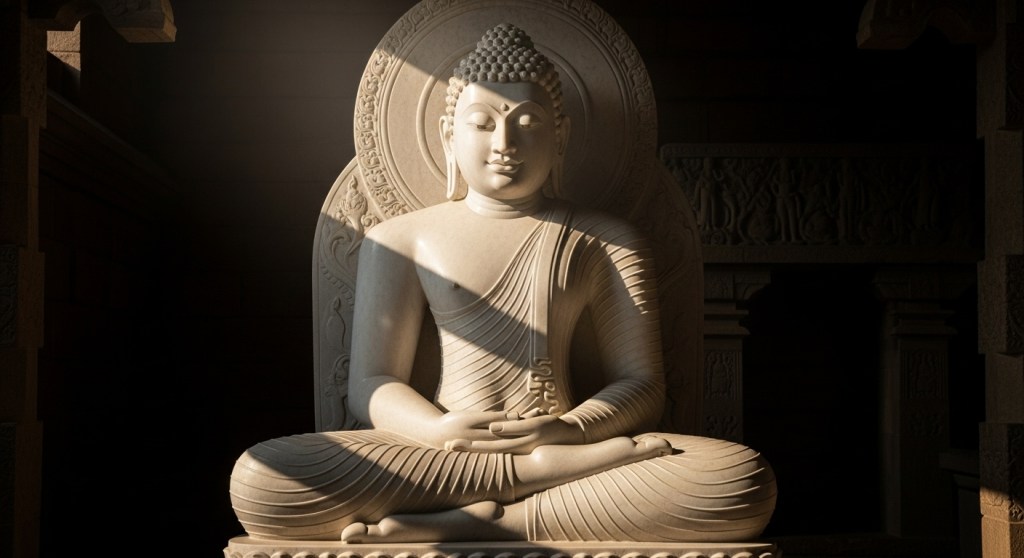
  • Sacred Collection #2 – Understanding the Four Noble Truths Through Divine Art

    The Sacred Teaching: The Four Noble Truths – The Heart of Buddha’s Enlightenment

    The First Noble Truth: Dukkha (The Reality of Suffering)

    Lord Buddha’s profound wisdom begins with the clear recognition of Dukkha – not merely pain or discomfort, but the fundamental unsatisfactoriness inherent in all conditioned existence. This includes:

    • Birth (jati) – the trauma and vulnerability of coming into existence
    • Aging (jara) – the gradual decay of body and faculties
    • Sickness (vyadhi) – the pain and limitation of illness
    • Death (maranam) – the ultimate separation and dissolution
    • Separation from what we love (priyavipriyoga)
    • Association with what we dislike (apriyasamprayoga)
    • Not obtaining what we desire (icchaparipadana)

    But the deepest truth is that the Five Aggregates of Clinging themselves are suffering – for they are impermanent formations that arise and pass away, causing endless anxiety and dissatisfaction.

    The Second Noble Truth: Samudaya (The Origin of Suffering)

    The Buddha revealed that suffering arises from Tanha (craving/thirst) – the insatiable desire that binds us to the cycle of becoming:

    • Kama-tanha – craving for sensual pleasures
    • Bhava-tanha – craving for existence and becoming
    • Vibhava-tanha – craving for non-existence and annihilation

    This craving, rooted in Avidya (ignorance), creates the twelve-link chain of dependent origination that perpetuates endless rebirth and suffering.

    The Third Noble Truth: Nirodha (The Cessation of Suffering)

    The most liberating truth: Suffering can completely cease! This is Nirvana – the unconditioned state beyond birth and death, beyond coming and going, beyond all fabricated existence.

    “Yam kinchi samudaya dhammam – sabbattam nirodha dhammam” “Whatever has the nature of arising – all that has the nature of cessation”

    When craving is completely eliminated, when ignorance is totally destroyed, the five aggregates of clinging cease to arise – this is the Deathless Element (Amata Dhatu).

    The Fourth Noble Truth: Magga (The Path to Liberation)

    The Noble Eightfold Path – the complete method for ending all suffering:

    Wisdom (Prajna):

    • Right Understanding (Samma-ditthi)
    • Right Intention (Samma-sankappa)

    Ethical Conduct (Sila):

    • Right Speech (Samma-vacha)
    • Right Action (Samma-kammanta)
    • Right Livelihood (Samma-ajiva)

    Mental Cultivation (Samadhi):

    • Right Effort (Samma-vayama)
    • Right Mindfulness (Samma-sati)
    • Right Concentration (Samma-samadhi)

    The Revolutionary Understanding

    What makes Buddha’s teaching revolutionary is the insight that suffering is not inevitable – it has a cause, and when that cause is removed, suffering completely ceases. This is not mere philosophy, but practical science of liberation that countless beings have verified through direct experience.

    The Buddha didn’t teach us to endure suffering, but to completely transcend it through wisdom and practice.


    Meditation Contemplation

    As you gaze upon these sacred Buddha images, contemplate this liberating truth:

    “Suppose someone wounded by an arrow were to say: ‘I will not remove this arrow until I know who shot it, what caste he belongs to, what his name is…’ That person would die before ever learning these things. In the same way, anyone who says ‘I will not practice the holy life until the Buddha explains whether the world is eternal or not eternal…’ would die before the Tathagata ever explained these things.”

    The Buddha focused on what matters: How to end suffering completely.


    The Promise of Liberation

    These sacred images remind us that enlightenment is possible. Countless beings have walked this path before us and achieved complete liberation. The Buddha’s promise stands eternal:

    “I have shown you the path that leads to the end of suffering. Now it depends on you to walk it.”


    Free Sacred Offering

    ๐Ÿ™ Divine Gift to All Beings

    These blessed Buddha images are offered freely to the world as an act of Dana (generous giving). Absolutely no copyright restrictions.

    Use these sacred images for:

    • Personal meditation and devotion
    • Dharma teaching and education
    • Spiritual inspiration and reflection
    • Temple and meditation center decoration
    • Sharing Buddhist wisdom with others

    Our Dedication: Every download, every share, every moment these images inspire someone toward the Dharma is a victory against suffering itself.

    May these sacred images be a refuge for all who seek liberation from the endless cycle of birth, aging, sickness, and death.

    May all beings realize the Four Noble Truths and achieve the supreme bliss of Nirvana.


    Gate Gate Paragate Parasamgate Bodhi Svaha! (Gone, Gone, Gone Beyond, Gone Completely Beyond, Awakening, So Be It!)

    Sarve Satta Sukhita HontuMay All Beings Be Happy and Free ๐Ÿ™


    Buddha’s Light GalleryIlluminating the Path to Liberation


    #FourNobleTruths #Buddha #Liberation #Nirvana #Buddhism #Meditation #SacredArt #Enlightenment #Dharma #FreeImages #Suffering #Wisdom
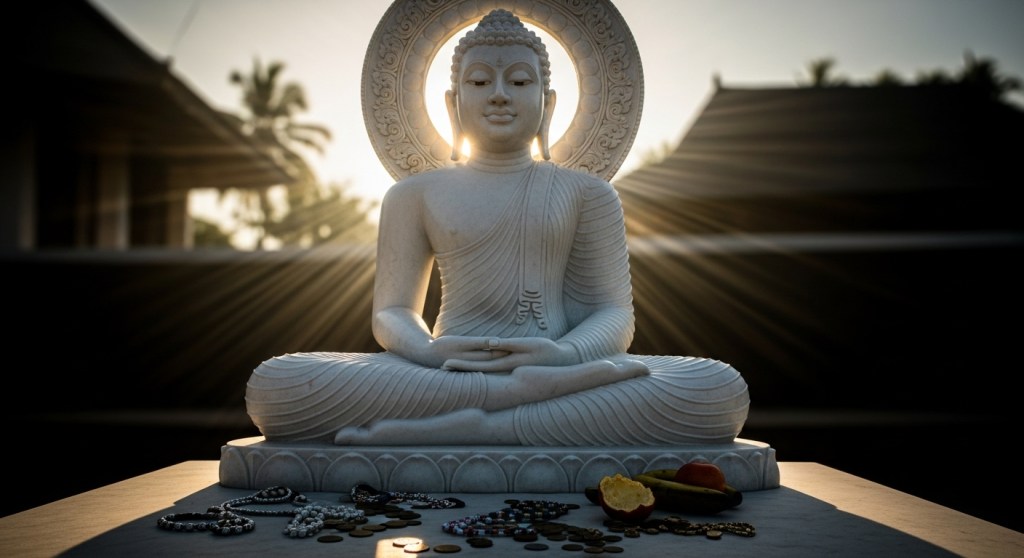
  • Welcome to our first sacred collection at Buddha’s Light Gallery

    The Sacred Teaching: Understanding the True Nature of Existence

    Anichcha – The Law of Dependent Origination

    Lord Buddha revealed that Anichcha doesn’t simply mean “impermanent” as commonly misunderstood. The profound truth of Anichcha refers to the law of dependent origination (Paticchasamuppada) – that all phenomena arise due to causes and cease when those causes are removed.

    “Hetum paticcha sambhutam – Hetu bhanga nirujjhati” “What arises due to causes – ceases when causes are destroyed”

    This sacred teaching shows us that the five aggregates of clinging (pancaupadanakkhandha) arise due to causes such as ignorance, craving, karma, and the four nutriments. When these root causes are completely eliminated, the aggregates cease to arise – this is the path to liberation.

    Dukkha – The Nature of Suffering

    Because all conditioned existence follows the law of Anichcha, everything that arises through dependent origination carries within it the seeds of Dukkha – suffering, aging, death, sorrow, and distress. This is not pessimism, but the clear seeing of reality as it truly is.

    Anaththa – The Absence of Permanent Self

    Anaththa means “without essence” (asarakattena), not “no-self” as often mistranslated. It reveals that within the five aggregates of clinging, there exists no unchanging, permanent essence that can be grasped as “I” or “mine” or “self.” This understanding frees us from the illusion of a permanent soul that transmigrates from life to life.


    The Three Ways to See Ultimate Truth

    As revealed in this sacred teaching, Ultimate Truth can be perceived through three approaches:

    1. As Truth – The Four Noble Truths (Chaturarriya Satyya)
    2. As Characteristics – The Three Marks of Existence (Trilakshana)
    3. As Law – Dependent Origination (Paticchasamuppada)

    These are not separate teachings, but three ways of understanding the same profound reality that leads to Nirvana.


    Meditation Reflection

    As you contemplate these sacred Buddha images, reflect on this eternal truth:

    “Yam kinchi samudaya dhammam – sabbattam nirodha dhamman ti”

    “Whatever has the characteristic of arising – all that has the characteristic of cessation”

    This is the key that unlocks the door to liberation from all suffering.


    Free Usage Declaration

    ๐Ÿ™ Sacred Offering to the World

    These divine Buddha images are offered freely to all beings everywhere. No copyright restrictions apply. You may:

    • Download and use for personal spiritual practice
    • Print for meditation spaces and altars
    • Share for educational and dharma purposes
    • Use for non-commercial spiritual activities

    Our only request is that these sacred images be used with the deepest reverence and respect they deserve.

    Our Mission: We are dedicated to spreading the sacred image of Lord Buddha across the globe as an offering of devotion and service to the Triple Gem. Whether this blog generates revenue or not, our commitment remains unchanged – to illuminate the world with Buddha’s divine presence through art and dharma.

    May the merit of this offering bring peace, wisdom, and liberation to all sentient beings.

    May Buddha’s light shine through these images into your life and lead you to the ultimate truth of Nirvana.


    Sadhu! Sadhu! Sadhu! ๐Ÿ™

    Buddha’s Light GallerySpreading Sacred Wisdom Through Divine Art


    #Buddha #BuddhistArt #FreeImages #Meditation #Dharma #SacredArt #Buddhism #Spirituality #Nirvana #TripleGem

  • Welcome to Buddha’s Light Gallery – A Sacred Digital Sanctuary

    Our First Sacred Offering to the World

    The Dawn of a New Spiritual Journey – ๐Ÿ™ Sadhu! Sadhu! Sadhu!

    Welcome to Buddha’s Light Gallery, where ancient wisdom meets modern technology in service of the eternal Dharma. Today marks the beginning of something unprecedented โ€“ a digital sanctuary dedicated to spreading the sacred beauty of Buddha’s image and teachings across our interconnected world.

    Why Buddha’s Light Gallery Exists

    A Mission Born from Devotion

    In a world where spiritual images are often commercialized and sacred teachings diluted, we felt called to create something different โ€“ a space where the divine beauty of Buddha’s form could be freely shared, where authentic wisdom could be transmitted without barriers, where technology could serve the highest spiritual purpose.

    The Power of Sacred Images

    For over 2,500 years, images of Buddha have served as:

    • Windows to the Divine – Opening hearts to spiritual possibility
    • Inspiration for Practice – Encouraging meditation and mindfulness
    • Symbols of Peace – Reminding us of our potential for perfect tranquility
    • Teachers Without Words – Communicating wisdom beyond language

    Our Revolutionary Approach

    Complete Freedom: Every image we create is absolutely free to use. No licenses, no restrictions, no hidden costs. Download, print, share, use for meditation โ€“ these images are our gift to humanity.

    Authentic Wisdom: Our teachings are based on traditional Buddhist understanding, not modern interpretations or commercial spirituality.

    Respectful Creation: Every image is created with the same reverence an ancient sculptor would bring to carving a Buddha statue.


    What Makes This Journey Special

    Technology as Spiritual Practice

    We believe that when artificial intelligence is used with pure intention and deep respect, it becomes a form of modern devotional practice. Each image we create is like a digital offering placed at the feet of the enlightened ones.

    Global Dharma Community

    Buddha’s Light Gallery isn’t just a website โ€“ it’s a gathering place for spiritual seekers worldwide. Whether you’re a lifelong Buddhist, a curious beginner, or someone simply drawn to images of peace, you belong here.

    Beyond Commercial Spirituality

    In an age where spiritual content is often created for profit, we operate on the ancient principle of Dana (generous giving). Just as Buddha freely shared his wisdom, we freely share these sacred images.

    Our Promise to You

    ๐ŸŒŸ Weekly Collections – New Buddha images and teachings every week
    ๐ŸŒŸ Authentic Content – Traditional wisdom presented with respect
    ๐ŸŒŸ Zero Restrictions – Everything completely free to use
    ๐ŸŒŸ Spiritual Growth – Content designed to support your practice
    ๐ŸŒŸ Global Access – Available to seekers worldwide


    How to Use These Sacred Images

    For Personal Practice

    • Create a peaceful meditation space in your home
    • Use as wallpapers for phones and computers
    • Print for personal shrines and altars
    • Contemplate during daily mindfulness practice

    For Sharing Wisdom

    • Share with friends seeking peace and inspiration
    • Use in educational materials about Buddhism
    • Include in presentations about spiritual traditions
    • Offer to meditation groups and dharma centers

    For Artistic Expression

    • Include in creative projects with spiritual themes
    • Use as inspiration for your own artistic practice
    • Incorporate into designs that spread peace
    • Create beautiful spiritual spaces

    A Special Invitation

    As we launch Buddha’s Light Gallery, we invite you to become part of something larger than a website โ€“ a global movement of beings committed to spreading light, wisdom, and compassion through the power of sacred imagery.

    Join us by:

    • ๐Ÿ™ Subscribing to receive our weekly collections
    • ๐Ÿ’ Sharing our images with fellow seekers
    • ๐ŸŒธ Using these images to beautify your spiritual practice
    • ๐ŸŒ Helping us spread Buddha’s light across the world

    Free Usage Declaration

    Our Sacred Gift

    These blessed Buddha images are offered to the world with the deepest reverence and devotion. Absolutely no copyright restrictions apply.

    You are completely free to: โœจ Download and save these images
    โœจ Print them for personal use
    โœจ Share them with others
    โœจ Use them for educational purposes
    โœจ Include them in non-commercial spiritual projects
    โœจ Meditate with them as inspirational aids

    Our only request: Please use these sacred images with the respect and reverence they deserve. They represent the enlightened potential within all of us.


    Looking Forward

    This is just the beginning of our sacred journey together. In the weeks and months ahead, we’ll explore:

    • Core Buddhist Teachings – The Four Noble Truths, Eightfold Path, and more
    • Meditation Guidance – Visual aids for developing inner peace
    • Sacred Festivals – Images celebrating Buddhist holidays and traditions
    • Global Buddhism – Artistic styles from different Buddhist cultures
    • Modern Applications – How ancient wisdom applies to contemporary life

    Our Closing Blessing

    As we embark on this sacred digital pilgrimage together, may these images serve as bridges between the mundane and the sacred, between suffering and peace, between confusion and clarity.

    May every being who encounters these sacred images find a moment of peace, a spark of wisdom, or a touch of the infinite compassion that flows from the enlightened heart of the Buddha.

    May Buddha’s light shine through these digital offerings into every corner of our world, bringing healing to the suffering, wisdom to the confused, and hope to all who seek liberation.


    “Thousands of candles can be lighted from a single candle, and the life of the candle will not be shortened. Happiness never decreases by being shared.” – Buddha

    Welcome to Buddha’s Light Gallery. Welcome home.


    ๐Ÿ™ Sadhu! Sadhu! Sadhu! ๐ŸŒ…

    With infinite gratitude and boundless devotion,
    The Buddha’s Light Gallery Team


    Tags: #BuddhaImages #FreeImages #Buddhism #SacredArt #Meditation #Dharma #Spirituality #Peace #Wisdom #Welcome #FirstPost #BuddhistArt #DigitalSanctuary