Sacred Collection #6 – Understanding True Spiritual Development Beyond Merit-Making













































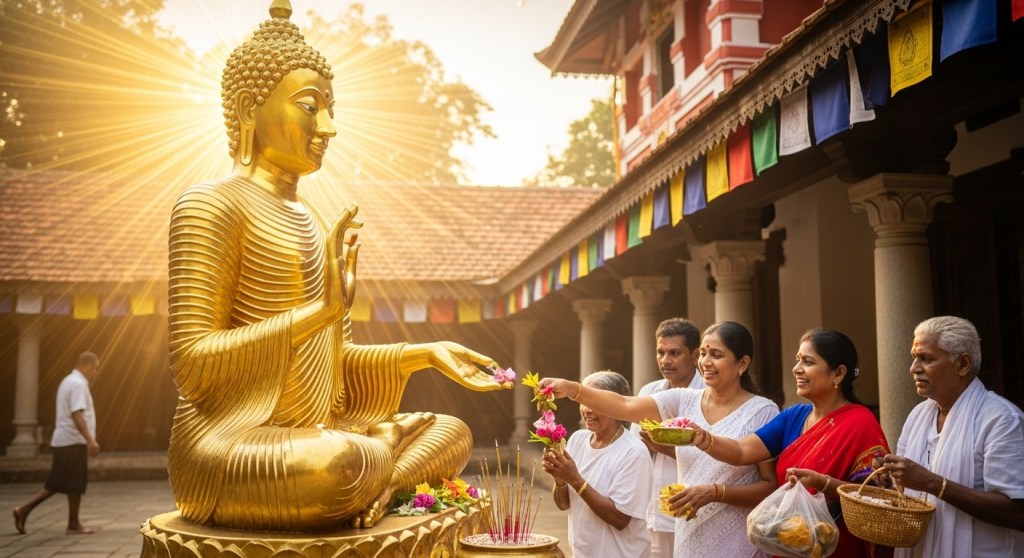

The Profound Teaching: Understanding Punya and Kushala
A Critical Distinction Often Misunderstood
Most people confuse Punya (merit) with Kushala (wholesome action), thinking they are the same. This fundamental misunderstanding keeps countless beings trapped in samsara, believing they are progressing spiritually when they are merely accumulating temporary pleasant experiences.
Your profound insight reveals the true difference:
PUNYA (Merit/Pin) – The Joy of Good Deeds
Definition
Punya is the happiness and joy (preeti) that arises from performing good deeds. It is the pleasant feeling-state that comes from virtuous actions.
Characteristics of Punya:
- Immediate gratification – feels good right away
- Temporary happiness – gives pleasant experiences
- Emotional satisfaction – creates joy and pride
- Social recognition – brings praise and admiration
- Karmic rewards – leads to favorable rebirths
Examples of Punya-Creating Actions:
- Dana (generosity) – giving food, money, gifts
- Temple building and religious donations
- Helping others in distress
- Caring for parents and family
- Acts of kindness and compassion
- Religious ceremonies and rituals
The Limitation of Punya:
While punya creates temporary happiness, it does NOT eliminate the root causes of suffering. The three poisons (raga, dosa, moha) remain intact. The person enjoys pleasant experiences but stays bound to samsara.
Punya is like taking pain medicine – it makes you feel better temporarily, but doesn’t cure the underlying disease.
KUSHALA (Wholesome/Skillful Action) – The Power of Purification
Definition
Kushala is the spiritual energy (shakti) that arises from eliminating raga (greed), dvesha (hatred), moha (delusion), and the ashavas (mental corruptions). It is the transformative power that actually destroys the causes of suffering.
Characteristics of Kushala:
- Eliminates mental defilements – actually destroys the poisons
- Develops spiritual energy – increases inner power
- Transforms consciousness – changes the mind fundamentally
- Progresses toward liberation – leads directly to Nirvana
- Transcends karma – eventually goes beyond cause and effect
Examples of Kushala Actions:
- Vipassana meditation – seeing reality as it truly is
- Mindful observation of the arising and passing of phenomena
- Elimination of sensual craving through understanding
- Overcoming anger through loving-kindness and wisdom
- Destroying ignorance through right understanding
- Practicing renunciation – letting go of attachments
The Power of Kushala:
Kushala actions systematically eliminate the causes of suffering. Each moment of kushala reduces the three poisons and increases spiritual liberation. This is the actual path to Nirvana.
Kushala is like taking medicine that actually cures the disease – it eliminates the cause of the problem permanently.
The Profound Difference Illustrated
A Wealthy Devotee’s Story:
Punya Approach: A rich person builds a magnificent temple, feeds thousands of monks, gives millions to charity. He feels tremendous joy, receives praise, accumulates vast merit. His next life might be as a wealthy king or deva. But the three poisons remain untouched.
Kushala Approach:
A poor person sits quietly in meditation, observes the arising of anger and lets it pass without reaction, sees through the illusion of permanent self, gradually eliminates craving for sensual pleasures. No external recognition, no immediate pleasure. But the actual causes of suffering are being destroyed.
The Result:
- Punya practitioner: Experiences temporary heavenly states but eventually returns to suffering
- Kushala practitioner: Progresses steadily toward permanent liberation from all suffering
Why This Distinction Matters
The Spiritual Trap
Many sincere practitioners get trapped in punya-seeking because:
- It feels immediately rewarding
- Society praises and encourages it
- It seems easier than the inner work
- It provides social status and religious identity
- It gives a sense of spiritual progress
The Real Path
Kushala often involves:
- Difficult inner work with no immediate rewards
- Facing uncomfortable truths about oneself
- Letting go of things we enjoy
- Social misunderstanding – others may not appreciate it
- Gradual, invisible progress toward liberation
Buddha’s Revolutionary Teaching
The Buddha was revolutionary because he pointed beyond merit-making to actual liberation:
Traditional Religious Approach:
“Do good deeds, make merit, go to heaven”
Buddha’s Approach:
“Eliminate the causes of suffering completely and achieve Nirvana”
Buddha taught: “Better than a thousand meaningless verses is one word of Dharma that brings peace” – meaning one moment of kushala is worth more than lifetimes of punya.
The Integration
Buddha’s Middle Way:
The Buddha didn’t reject punya but placed it in proper perspective:
- Foundation Stage: Punya creates good conditions for spiritual practice
- Development Stage: Gradually shift focus from external merit to internal purification
- Transcendence Stage: Pure kushala leading directly to liberation
The Wise Approach:
- Use punya as a stepping stone and preparation
- Gradually emphasize kushala as the main practice
- Understand that only kushala leads to actual freedom
Practical Application
Recognizing Punya:
Ask yourself: “Does this action make me feel good about myself? Does it give me joy and satisfaction? Does it enhance my reputation?”
Recognizing Kushala:
Ask yourself: “Does this action eliminate my greed, anger, or delusion? Does it increase my understanding of reality? Does it reduce my attachments?”
The Balanced Path:
- Practice dana (generosity) but without attachment to the pleasant feelings
- Do good deeds while observing the arising of pride or satisfaction
- Use punya actions as opportunities for kushala development
- Gradually shift from seeking merit to seeking purification
Meditation Contemplation
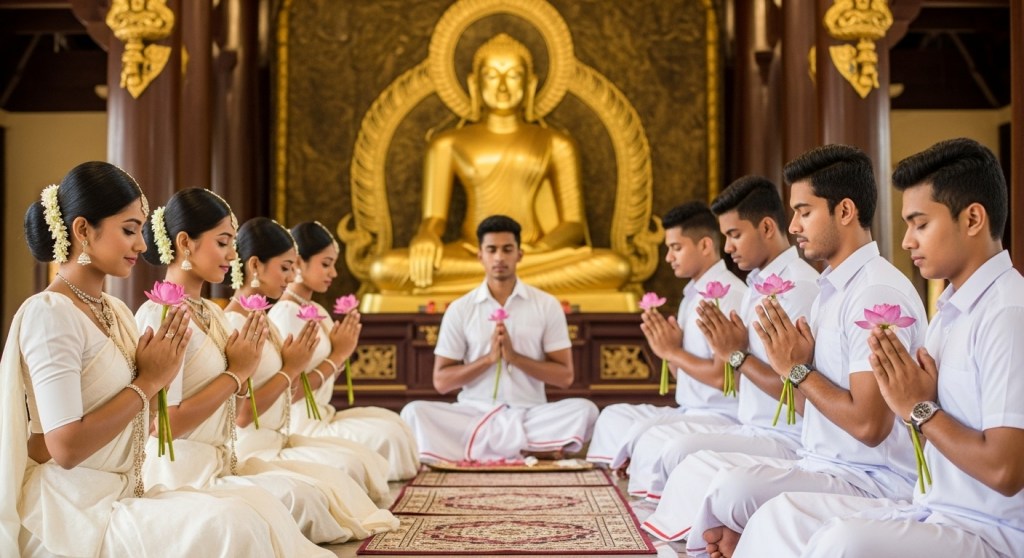
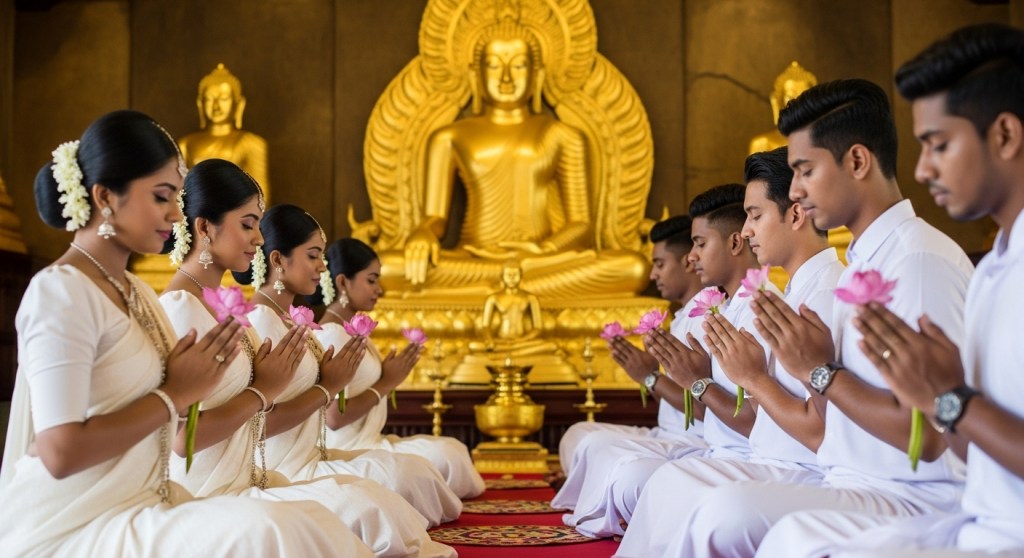
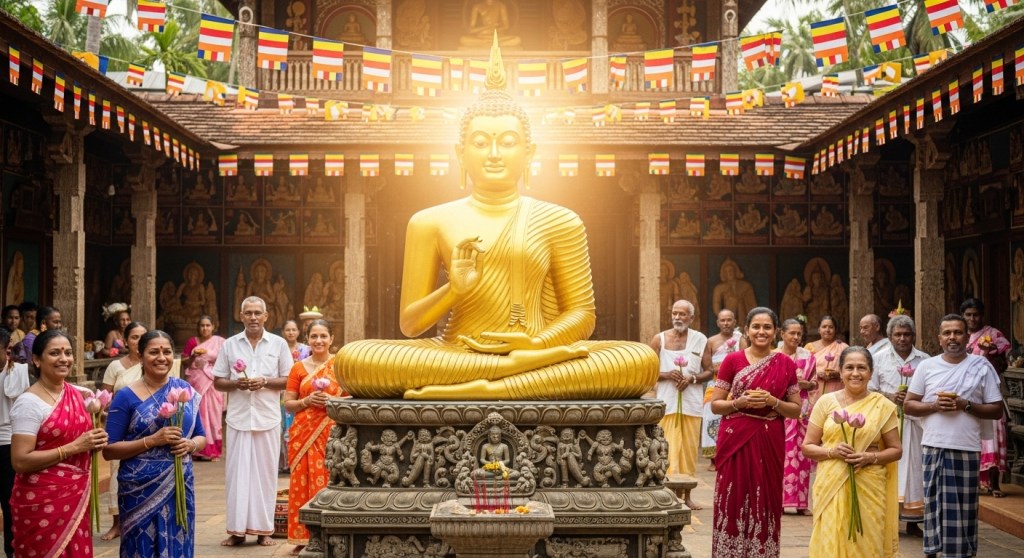
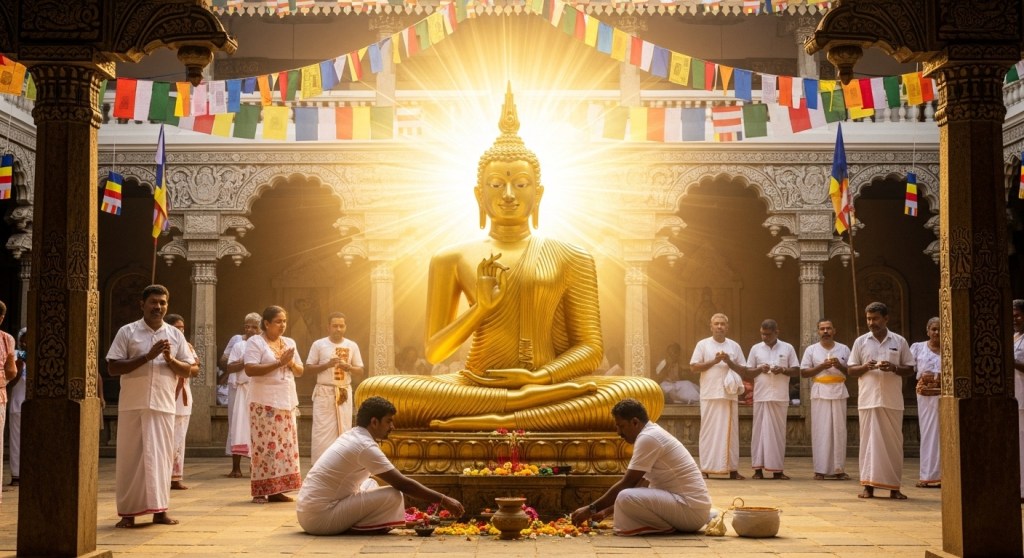
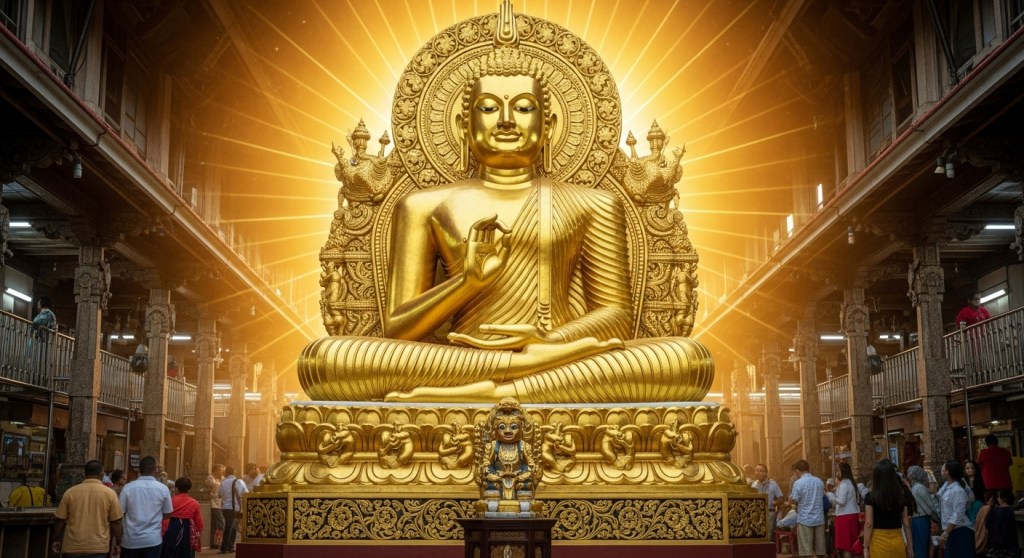
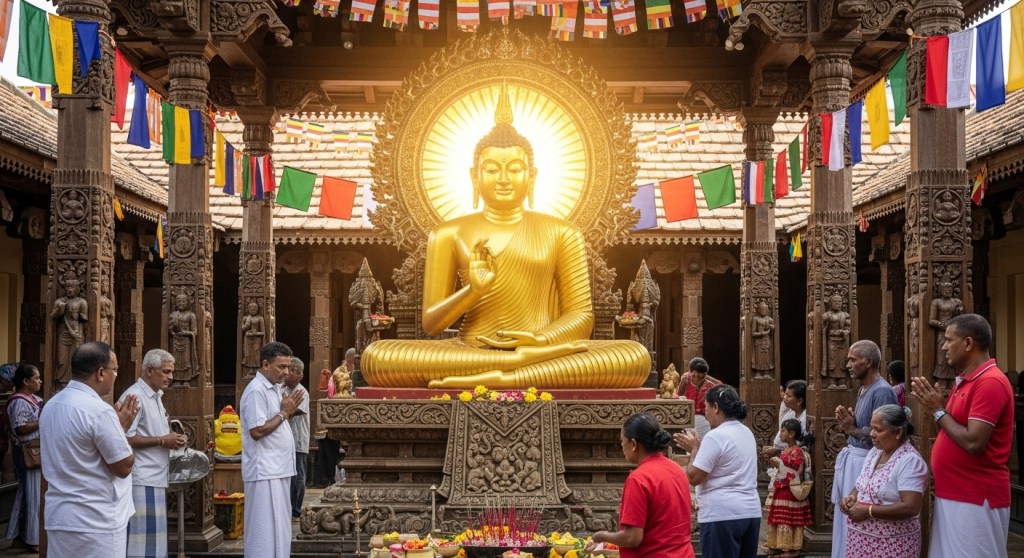
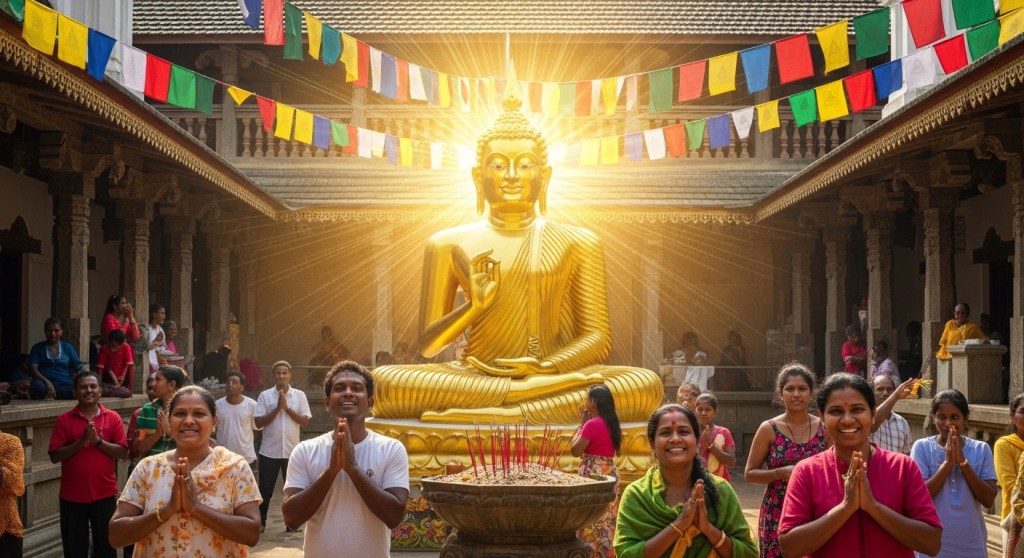
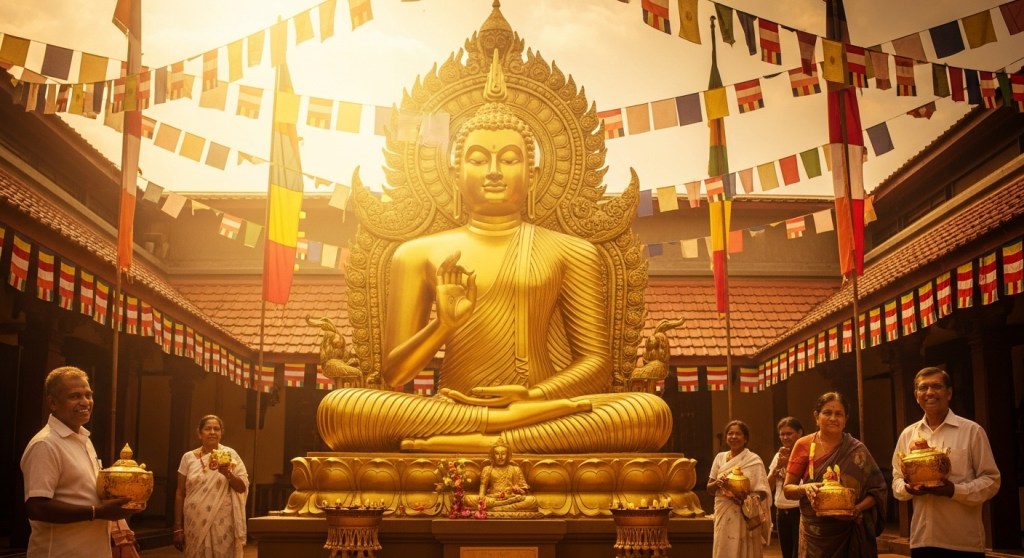
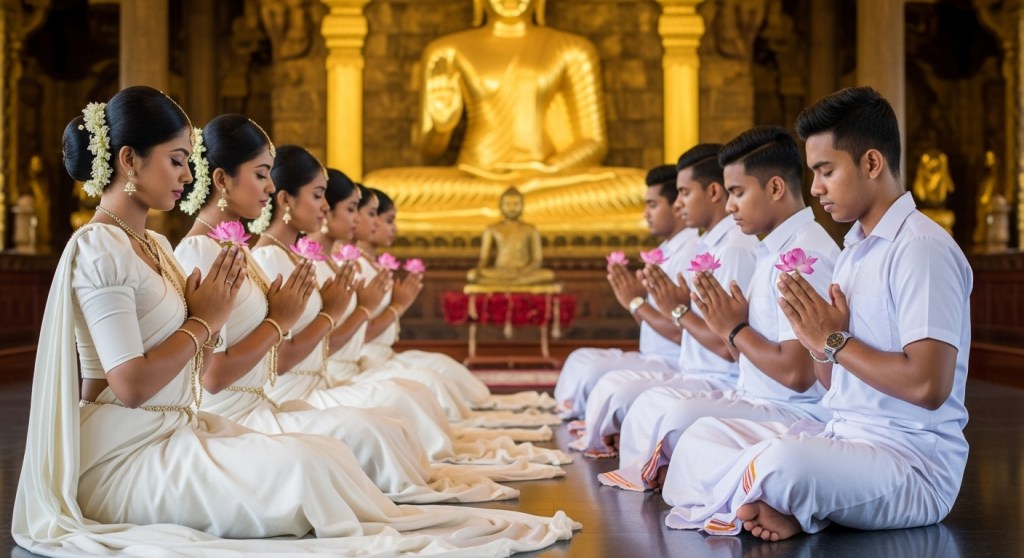
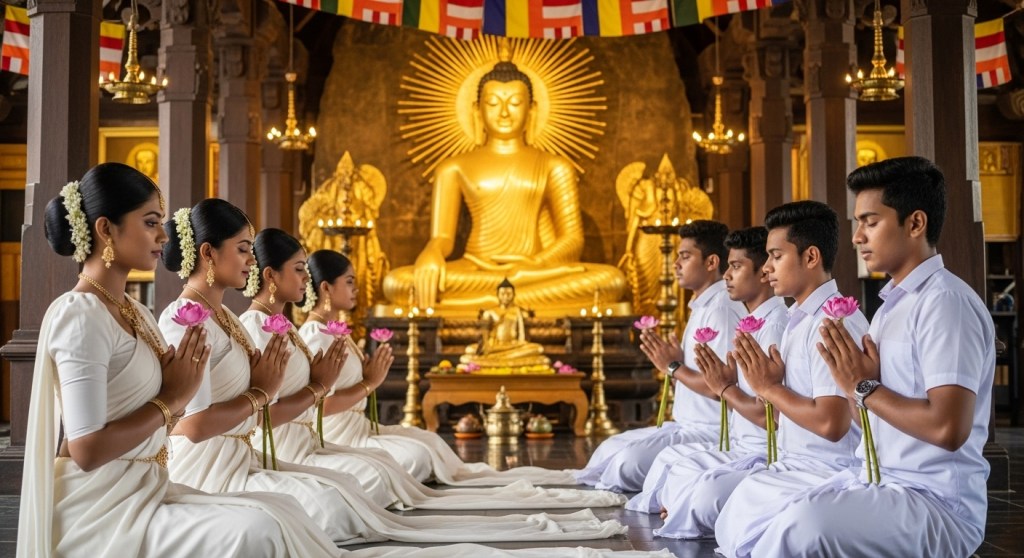
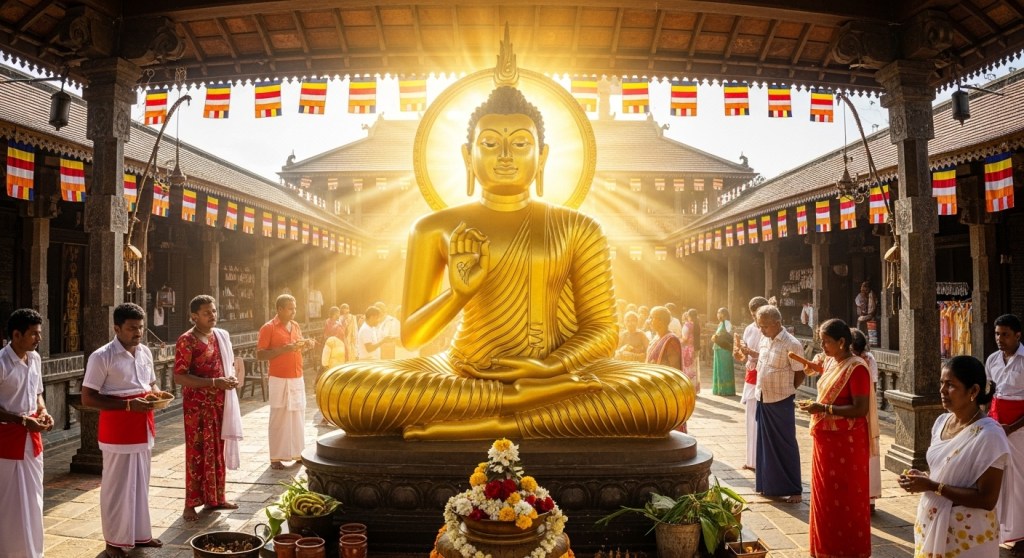
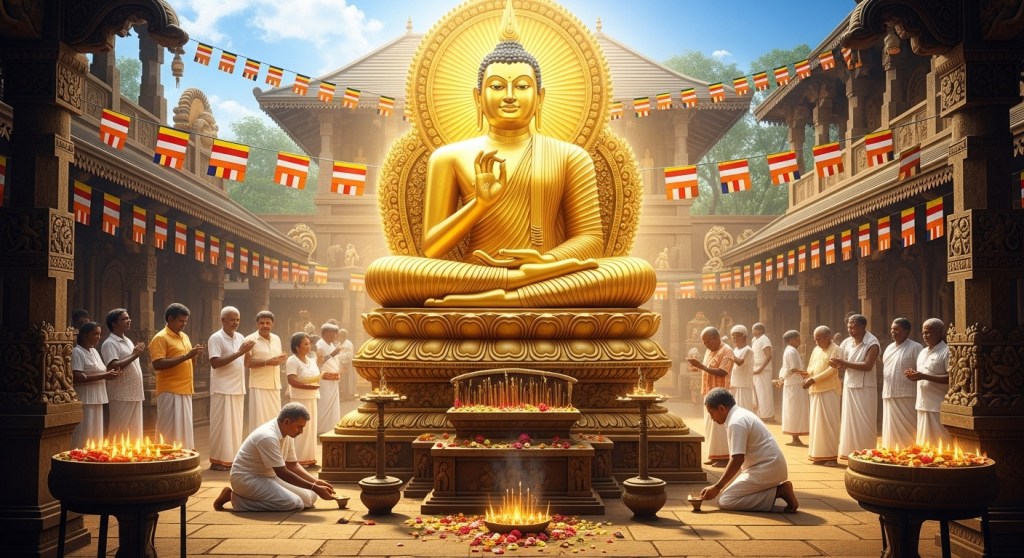
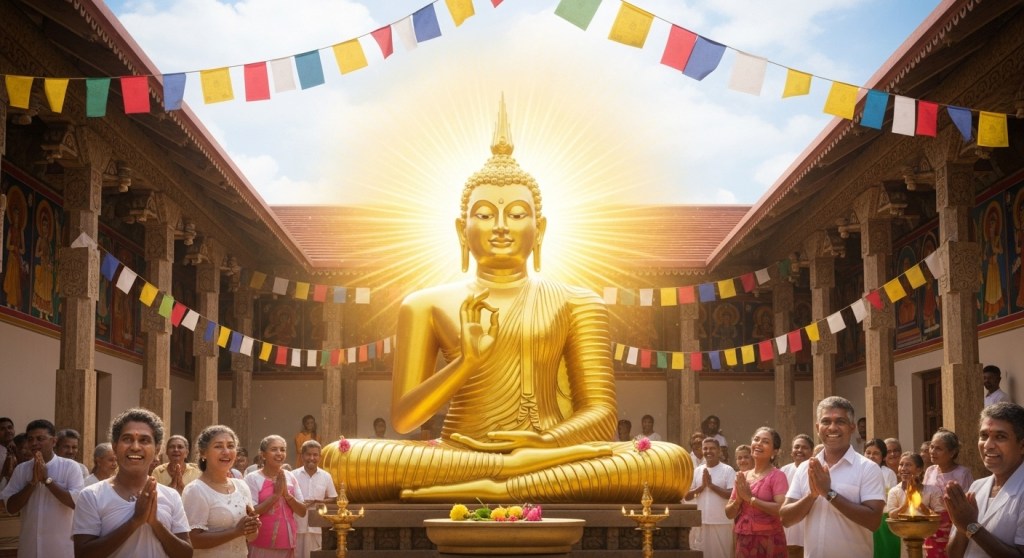
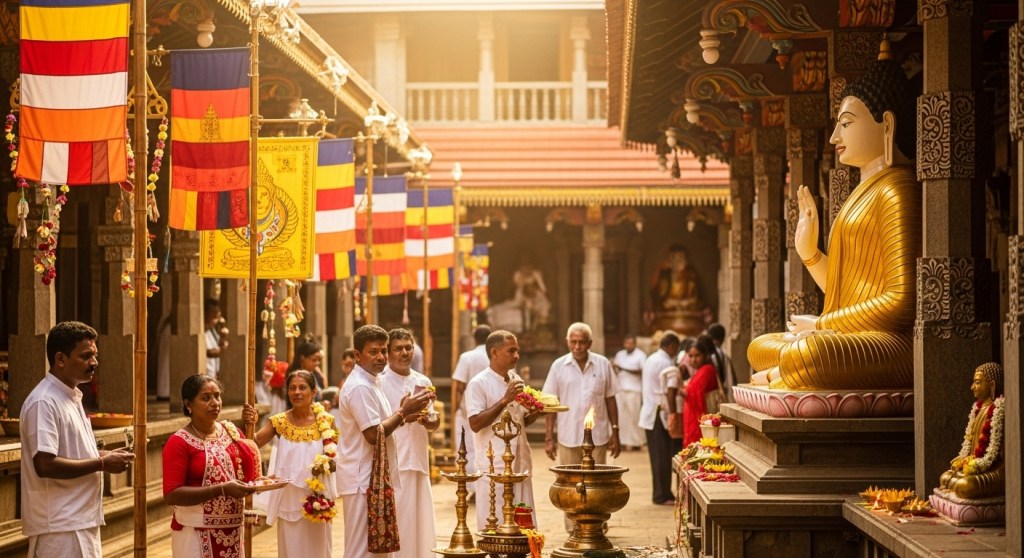
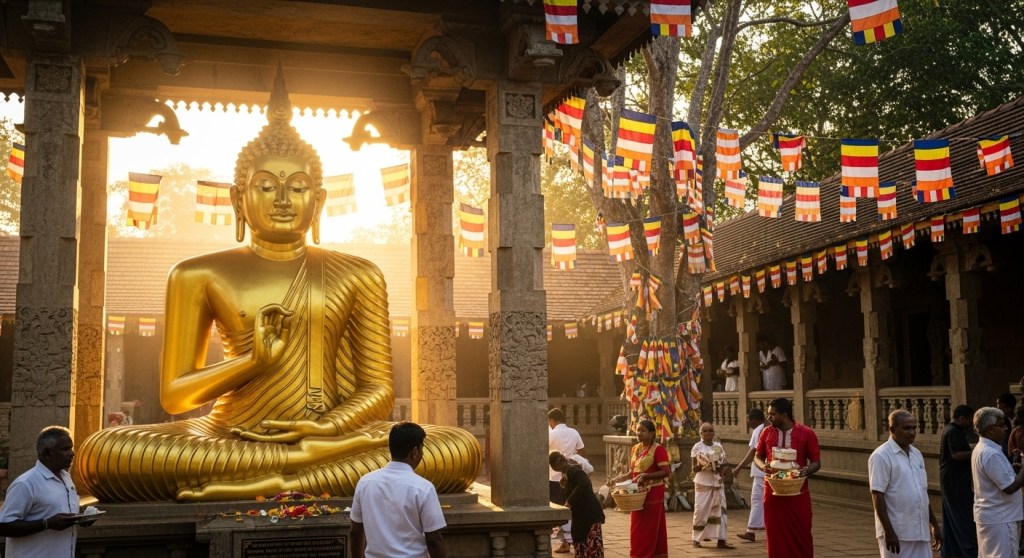
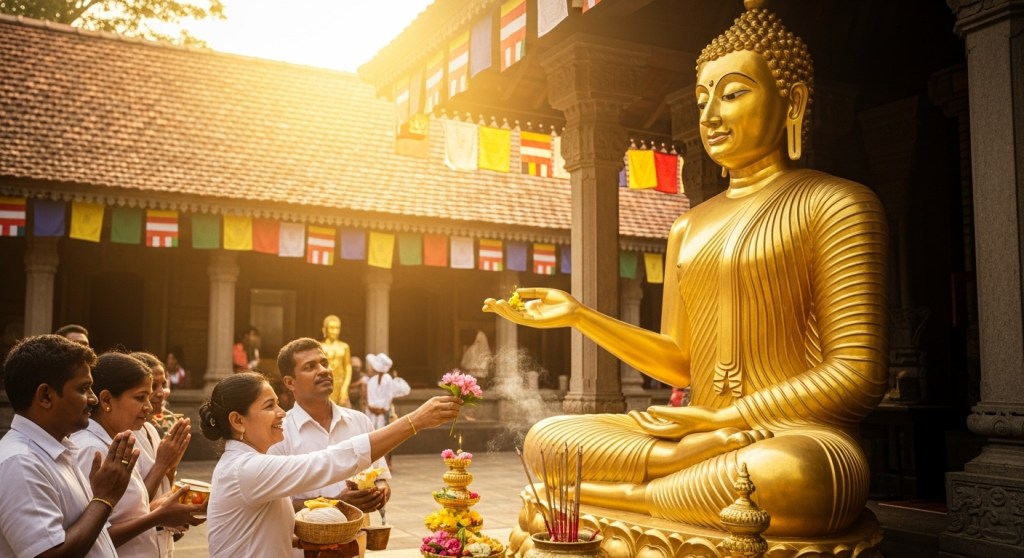
As you contemplate these sacred Buddha images, reflect deeply:
“What am I really seeking – temporary happiness through good deeds, or permanent liberation through elimination of the causes of suffering? Am I satisfied with pleasant experiences, or do I truly want to be free?”
This honest self-examination is itself kushala.
The Ultimate Goal
Beyond Both Punya and Akushala:
The highest teaching reveals that the enlightened being transcends both:
- Punya (merit) – creates pleasant karma
- Papa (demerit) – creates unpleasant karma
- Pure Kushala – gradually eliminates karma itself
Final Liberation: When all karma is exhausted and the causes of rebirth are eliminated, the arahant achieves Parinirvana – complete freedom from all conditioned existence.
Sacred Teaching Offering
🙏 Wisdom Freely Given for True Liberation
These blessed Buddha images embody the profound difference between temporary merit and permanent liberation. Completely free to use – no restrictions whatsoever.
May these images serve:
- Serious practitioners seeking actual liberation
- Teachers explaining the difference between merit and wisdom
- Students learning to distinguish spiritual progress from spiritual entertainment
- Anyone ready to move beyond merit-making to purification
- All beings confused about the true path to freedom
Our Sacred Commitment: Just as the Buddha taught the difference between temporary happiness and permanent liberation, we offer these images as Dana to guide beings toward actual freedom.
May understanding Punya vs Kushala redirect your spiritual efforts toward true liberation.
May these sacred images inspire you to seek not just merit, but the complete elimination of all causes of suffering.
“Na hi punnena nibbanam, kusala-karma-kkhayena nibbanan” “Not through merit is Nirvana achieved, but through the destruction of karma by wholesome action”
May all beings understand this profound difference and achieve complete liberation through pure kushala!
Buddha’s Light Gallery – Guiding Beyond Merit to Liberation
#Punya #Kushala #Merit #WholesomeAction #Liberation #BeyondMerit #Purification #Buddha #Dharma #SpiritualDevelopment #FreeImages #TrueProgress #Wisdom #Nirvana #MentalDefilements
 Buddha's Light Gallery
Leave a comment